Cypress mulch bedding is a popular choice for reptile enclosures due to its natural look, moisture regulation, and suitability for a range of species. This article reviews five Cypress mulch-based substrates and related products, highlighting their ideal uses, humidity handling, and any special notes for safe reptile care. The selections focus on bedding that supports humidity control, odor management, and comfortable environments for snakes, lizards, turtles, frogs, and invertebrates.
| Product | Brand | Key Features |
|---|---|---|
| Fluker’s Premium Tropical Cypress Bedding for Reptiles, 10 Pound | Fluker’s Store | Twice milled premium cypress mulch; for frogs, snakes, lizards and other reptiles; usable in high or low humidity habitats |
| Zoo Med Forest Floor Bedding | Zoo Med Store | Recommended substrate for many reptile and amphibian species; versatile for snakes, lizards, turtles, frogs, tarantulas, and invertebrates |
| Zoo Med Forest Floor Bedding, 8qt | Zoo Med Store | All natural green product; recommended for many species of snakes, lizards, turtles, frogs, and more |
| BNOSDM Reptile Pine Bark Substrate 17oz | BNOSDM Store | Natural pine bark substrate; simulates habitat; breathable humidity regulation; durable and reusable |
| Galapagos Cypress Tank Mulch Forest Floor Bedding, 8-Quart | Galapagos | Natural cypress mulch; suitable for tropical and humid terrariums; 8-quart packaging |
Introduction: This guide focuses on Cypress mulch and related forest floor substrates that help maintain humidity, provide a natural look, and support a comfortable environment for a variety of reptiles and amphibians. The selections below cover a range of species and enclosure needs, from small terrariums to larger habitats. Each product is evaluated for substrate quality, moisture management, and potential maintenance considerations to assist in choosing the best option for your reptile keeper goals.
Fluker’s Premium Cypress Bedding For Reptiles

Fluker’s Premium Tropical Cypress Bedding is a twice milled mulch designed for a broad range of terrarium inhabitants. It supports moisture management in both high and low humidity settings, making it versatile for frogs, snakes, lizards, and other reptiles. The product’s fine texture promotes hygiene by reducing substrate compaction and facilitating cleaning. When using, monitor humidity levels to ensure the substrate does not become overly damp, which can encourage mold growth. This bedding is a suitable option for species that require stable humidity without frequent substrate replacement.
Zoo Med Forest Floor Bedding

Zoo Med Forest Floor Bedding is a versatile substrate recommended for a broad list of species, including snakes, lizards, land turtles, tortoises, frogs, toads, salamanders, tarantulas, and other invertebrates. Its natural composition supports a realistic forest floor aesthetic while aiding moisture regulation and substrate stability. It’s suitable for tropical and temperate terrariums and is often praised for its suitability with both burrowing and non-burrowing species. As with any natural mulch, regular checks for spoilage and dust are advised to maintain enclosure hygiene.
Zoo Med Forest Floor Bedding, 8qt

Zoo Med Forest Floor Bedding in an 8-quart format offers an all-natural option for multiple terrarium types. The product is described as a green, all-natural “product,” aligning with a naturalistic habitat approach. It is recommended for many species of snakes, lizards, land turtles, tortoises, frogs, toads, and tarantulas. For enclosures with higher humidity requirements, consider layering with a secondary substrate or monitoring moisture to prevent mold and slime buildup. This bedding can pair well with hides and foliage to create a forest-floor ambience.
BNOSDM Reptile Pine Bark Substrate
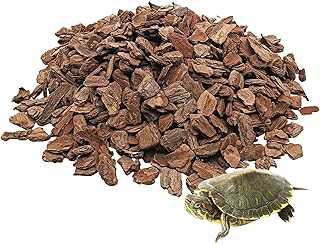
BNOSDM pine bark substrate provides a naturalistic habitat for tortoises, lizards, geckos, chameleons, and tree-dwelling species. The substrate is designed to simulate natural environments, support shedding, and help regulate humidity. The bark pieces are described as durable and reusable, making it a practical option for keepers who clean substrates less frequently or rotate hides. It’s important to monitor humidity levels and ensure proper substrate depth to support digging or burrowing behaviors while preventing excessive moisture buildup.
Galapagos Cypress Mulch (8-Quart)

Galapagos Cypress Tank Mulch Forest Floor Bedding is a natural option designed for terrariums requiring authentic forest-floor aesthetics. The 8-quart packaging suits midsize setups, and the product is positioned as a natural mulch for humidity-friendly habitats. When using Cypress mulch, ensure proper ventilation to minimize mold risk, and layer with a monitoring routine for substrate moisture. This bedding is suitable for tropical species and provides a natural substrate appearance that can enhance enclosure enrichment.
Buying Guide: Cypress Mulch Substrates For Reptiles
- Species compatibility: Some species prefer higher humidity (snakes, amphibians) while others thrive in drier environments. Choose a substrate that aligns with species-specific humidity needs and enclosure design.
- Humidity management: Cypress mulch generally helps regulate moisture but can mold if over-saturated. Use a humidity gauge and avoid prolonged wetness. Consider layering with drainage if necessary.
- Substrate depth and maintenance: A deeper layer supports digging and natural behavior but requires more routine cleaning. Reptiles with strong digging tendencies may benefit from deeper substrates.
- Dust and cleanliness: Natural mulches can generate dust. Regular spot-cleaning, debris removal, and occasional full substrate changes help maintain hygiene.
- Allergen and safety considerations: Ensure the product is free from added chemicals or scents that could irritate or harm reptiles. Organic mulches are generally preferred when no additives are listed.
- Durability and reuse: Some bark-based substrates are reusable after cleaning, while loose mulches may require replacement. Durability matters for enclosures with heavy activity or burrowing.
- Enclosure compatibility: Consider enclosure size, species behavior (arboreal vs. terrestrial), and bioactive setup goals when selecting a substrate.