If you’re planning a spring garden or a year-round indoor setup, the right seed starting containers can boost germination and healthy root growth. This guide highlights five reliable seed starter options, covering different sizes, cell counts, and ventilation features. Whether you’re starting herbs, vegetables, or flowers, these trays and pots help you organize seedlings efficiently while keeping roots well-aired and hydrated. Use the quick reference table below to compare core details at a glance.
| Product | Cells / Size | Ventilation / Drainage | Material Qualities |
|---|---|---|---|
| Seed Starter Trays, 144 Cells | 144 cells (24 trays, 6 cells each) | Standard venting via tray design | Durable, reusable; promotes healthy root development |
| Gardzen 5-Set Seed Starter Tray Kits | 200 cells total (40 per kit) | Adjustable ventilation with vents on tops | Premium plastic, reusable, includes domes and bases |
| Burpee SuperSeed Seed Starting Tray | 36 cells | Deep channels for drainage; raised perimeter | Soft silicone cells; dishwasher safe; easy transplant |
| 3.15 Inch Square Nursery Pots Kit | 5 sets of trays with 3.15″ pots | Water-retentive design; pots fit tray tightly | BPA-free, reusable, sturdy construction |
| TDHDIKE 4″ Seedling Pots | 100 pots + 100 labels | Drain holes for airflow | Lightweight plastic; reusable; clear labeling |
Seed Starter Trays 144 Cells With Stakes

The Seed Starter Trays from The Hydroponic City Store are designed to support robust seedling growth from day one. Each cell measures 1.5 inches square by 2.25 inches deep, creating ample room for developing roots without crowding. The trays are described as durable and reusable, supporting sustainable gardening practices. They’re suitable for a wide range of seeds, including flowers, herbs, succulents, and vegetables. Plant stakes included help you organize and label seedlings as they emerge. These trays work well for hobbyists and small-space growers who want consistent germination results.
Key benefits include a strong emphasis on root development, which can translate into sturdier transplants later in the season. The material is built to withstand repeated use, which lowers long-term costs and reduces waste. If you’re starting a diverse seed collection, these 144-cell configurations can help you scale up without needing multiple trays. As with all seed-starting systems, ensure uniform moisture and light exposure to maximize germination rates.
Gardzen 5-Set Seed Starter Tray Kits
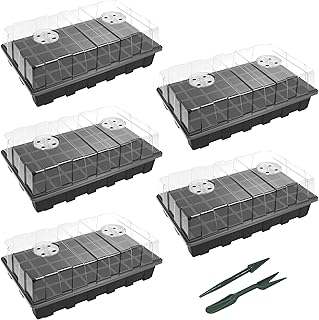
Gardzen’s seed starter tray kits bring upgraded ventilation with two adjustable air vents at the top, designed to reduce stagnant air and foster healthy seedling development. The set includes four components per kit, which together provide a total of 200 cells across five trays. The product emphasizes high-quality, durable plastic and thoughtful design, such as tight-fitting domes and bases and useful labels. This system is especially suitable for beginners who want a clear, manageable way to track germination and transplant timing.
With a focus on airflow and moisture control, Gardzen trays help avoid overly damp conditions that can lead to damping-off disease. The large cell count is advantageous for a wide variety of seed types, and the included domes help maintain humidity for delicate seedlings. While the kits are reusable and built for longevity, proper cleaning between seasons will extend their life and preserve seed-start performance.
Burpee SuperSeed Seed Starting Tray

The Burpee SuperSeed Seed Starting Tray offers 36 flexible pop-out cells designed for easy handling and transplanting. The tray includes a Plant-o-Gram diagram and alphanumeric cell labeling to simplify seed tracking. Its watering system emphasizes smarter watering, with molded corner slots for drainage and a raised perimeter edge to contain water. The soft, food-grade silicone cells allow gentle removal of seedlings, reducing root damage during transplantation. This tray is dishwasher safe, making cleanup straightforward for frequent users.
Transplanting becomes less stressful with the silicone cells designed to cradle seedlings during removal. The smaller 36-cell footprint is ideal for gardeners with limited space or who prefer preparing a small batch of plants at a time. Deep drainage channels and efficient water management help prevent overwatering, a common challenge in indoor seed starting. Reusability and ease of cleaning are key selling points for this Burpee option, aligning with year-to-year growing plans.
3.15 Inch Square Nursery Pots Kit

The 3.15 inch square nursery pots kit combines 5 trays with square pots designed to work together for compact seed starting and potting. The non-porous tray and the square pots prevent water leakage while retaining nutrients, and the pots are BPA-free, ensuring a sturdy yet lightweight option. These components are described as reusable and resistant to deformation, helping beginners maintain a clean, organized growing space. The design supports micro-greening projects and fast transitions from seed to pot to transplanting.
Size considerations matter here: the 3.15 inch pots balance root room with space efficiency, making them suitable for starting a wide range of crops. The kit’s structure helps reduce tipping and ensures stable placement on windowsills or heat mats. For collectors who prefer a modular approach, these pots and trays can be expanded by adding more units as germination demands grow.
TDHDIKE 4″ Small Plastic Seedling Pots

TDHDIKE’s 4-inch seedling pots are sold in a 100-piece set, with an equal number of plant labels included. The pots are designed with 4-inch opening diameter and 3.2-inch height, offering a practical size for many transplants from seedling to early-stage plant. They feature extra drainage holes (upgraded from 6 to 8) to improve airflow and prevent root rot, a common issue in compact starter systems. The included plant labels help growers maintain precise naming and care instructions across multiple trays.
These pots are well-suited for succulents, herbs, and small flowers. The labeling system supports better organization, particularly for beginners managing batches of diverse crops. The lightweight construction makes handling easy, and the 100-count kit works well for classroom settings or family gardens where multiple experiments take place in a single season.
Buying Guide: Key Purchase Considerations And Comparisons
Choosing seed starting containers depends on space, crop variety, and long-term reuse. Consider these factors to match your goals:
- Cell size and count: Smaller cells save space but can limit root development for larger vegetables. Larger cells support longer growth before transplanting but take more room.
- Ventilation and drainage: Adequate airflow reduces damping-off risk, while well-designed drainage channels prevent water from pooling and hurting roots.
- Material durability and reuse: Durable plastics and silicone elements extend life, especially for repeat seasons. Check cleaning requirements and dishwasher compatibility if relevant.
- Transplant ease: Some trays feature pop-out cells or silicone cradles to minimize root disturbance, improving transplant success rates.
- Labeling and organization: Built-in labeling options or included stakes help manage multiple varieties and germination timelines.
- Space and setup: For small spaces, vertical stacks, stackable domes, and modular sets maximize efficiency without clutter.
- Maintenance: Consider ease of cleaning, drying time between uses, and whether the system requires soil types or moisture levels you can sustain.
In aggregate, the products reviewed here cover a spectrum from large, multi-cell trays suitable for ambitious seed-start projects to compact pots ideal for focused, small-batch experiments. For beginners, a kit with adjustable ventilation and clear labeling features can reduce early-care challenges. Experienced gardeners may prioritize higher cell density and robust drainage to support rapid germination and transplantation. Sustainability-minded growers will appreciate reusable trays and BPA-free materials that support ongoing seasons.
When integrating these containers into a growing routine, pair them with quality seed starting mix, consistent lighting, and steady moisture control. A simple humid environment with balanced light can improve germination rates, while ensuring that roots have access to oxygen is vital for healthy development. By selecting containers aligned with your space, crop goals, and maintenance capacity, you can establish a reliable seed-start workflow that scales with your garden.