Coir twine is a natural, biodegradable option for supporting hops and other climbing plants. The right coir rope offers strength, water absorption, and soil-friendly decomposition. This guide highlights five top options that balance durability with eco-conscious materials, helping you train hop bines without synthetic additives.
| Product | Brand | Key Benefit | Approx. Length |
|---|---|---|---|
| GrowByCoco Coconut Coir Twine | growbycoco | Heavy-duty strength for hops | 200 ft total |
| Coir Yarn for Growing Hops | Chicago Brew Werks | Rich, long fibers for bines | 5 strands of 20 ft |
| HOP Twine | Coconut Fiber Works | Biodegradable garden twine | 1150 ft total |
| Grow Organiks Natural Coconut Coir Fibre Rope | Grow Organiks | Biodegradable and high water absorption | 4 hanks x 20 ft |
| Garden Twine (Coir) 200 ft | Garden Twine | Premium coir twine for gardens | 200 ft |
When selecting coir twine for hops, consider fiber strength, degradation rate, moisture handling, and the impact on soil health. The following product summaries provide concise insights to help you pick a versatile option for training and supporting hops vines, bines, and trellises.
GrowByCoco Coconut Coir Twine For Hops
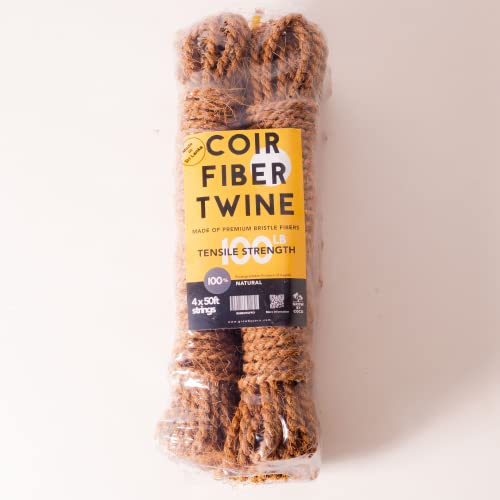
GrowByCoco’s coir twine is designed for hops hanging and general garden support. The 6mm diameter and 200 feet total length (in 50 ft x 4 hanks) deliver substantial load handling while remaining easy to work with. The rope is 100% biodegradable, coming from natural coconut coir fibers and contributing to soil fertility as it decomposes. With a reported breaking strength around 100 pounds, this option is suitable for climbing hops and other heavy-duty tying tasks in outdoor spaces.
Garden Twine Coir Fiber Twine 200 Feet

This premium machine spun coir twine from Garden Twine provides reliable strength for garden projects. While marketed as general garden twine, its coconut fiber composition makes it well-suited for hops training where a steady, natural support line is preferred. Expect natural biodegradability and consistent performance for lightweight to moderate climbing setups.
Grow Organiks Coconut Coir Fibre Rope

Grow Organiks offers a natural coconut coir rope designed for crafts, gardening, and plant support. Each hank is built from two-ply twisted coconut fibers, providing durability with a bonded construction that enhances tie stability around hops bines. Its biodegradable profile aligns with sustainable gardening, and the rope’s water-absorbing properties support root health by holding moisture near the vine base.
HOP Twine (Garden Twine) 1150 Feet

HOP Twine delivers a long spool of 100% natural coconut fiber twine, offering substantial length for larger hops installations. Its 5mm thickness positions it as a mid- to heavy-duty option, suitable for longer supports and trellising where recurring ties are required. The biodegradable composition supports an eco-friendly grow space while maintaining sufficient stiffness for working across avocado trellises or garden fences.
Coir Yarn For Growing Hops

This coir yarn is specifically pitched for hop growing, with five strands of 20 feet each designed to string up hop vines efficiently. The coconut husk fiber basis offers natural flexibility and grip, supporting secure attachment around trellis posts. The product emphasizes sustainability alongside practical tying solutions for small to medium scale hops setups.
Buying Guide
Key factors to consider when choosing coir twine for hops include:
- Strength and load capacity: Hop bines can be heavy; seek a rope with a strong breaking strength and adequate diameter to prevent snapping during heavy growth or wind.
- Degradation rate: Coir twine naturally biodegrades. If you want longer-lasting support, look for twine with slower decay or plan to replace annually.
- Moisture handling: Coir balances moisture retention and drainage. Twine that absorbs water can help keep roots moist but avoid oversaturation near root zones.
- Environmental impact: Natural fibers reduce plastic pollution and improve soil health as they decompose; verify 100% natural coconut fiber content when possible.
- Tie stability: For hops, secure knots and occasional retying may be needed. A two- or three-ply construction can offer better grip and less slippage.
- Length per pack: Hop installations often require longer runs; calculate total length needed for trellising, then choose packages that minimize joints and joins.
- Ease of handling: Thicker twine is sturdy but tougher to knot; find a balance between manageability and strength based on your trellis design.
In practice, for hop training you may prefer a mid-range diameter (around 5 mm) that provides sufficient grip without being overly stiff. Biodegradable options help reduce waste in seasonal gardens, while high-strength varieties support heavy bine loads. If you manage large plantings, opting for longer spool options minimizes frequent changes and maintains consistent tension along trellises.
Product diversity across brands means you can align with personal preferences—whether you prioritize maximal strength, superior water absorption, or broader length coverage. Always test a small length on the vines first to gauge knot behavior, friction, and how the twine interacts with trellis materials.