Coir erosion control blankets offer a natural, durable solution for stabilizing soil on hillsides, riverbanks, and coastal areas. This guide highlights top coir-based blankets and related products to help you compare coverage, longevity, and environmental benefits. Each option promotes seed germination while reducing runoff and sediment loss, making them suitable for restoration projects and DOT work alike.
| Product | Coverage | Material | Longevity |
|---|---|---|---|
| Sandbaggy Coir Mat (Homeowner 4×30) | 120 sq ft | Coir | 2–5 years |
| AK TRADING CO. Jute Erosion Control Blanket | 240 sq ft | Jute | Temporary to moderate |
| Sandbaggy Coir Mat (660 sq ft) | 660 sq ft | Coir | 2–5 years |
| Sandbaggy Coconut Erosion Control Blanket (1 Roll 450 sq ft) | 450 sq ft | Coir | 2–5 years |
| Farm Plastic Supply QuickGrass Pro | 112.5 ft roll (approx. 249 sq ft) | Excelsior-based netting with biodegradable cover | Seasonal to long-term |
Sandbaggy Coir Mat For Erosion Control

The Sandbaggy Coir Mat is designed to stop soil erosion on hillsides, riverbanks, and oceanfronts. It uses dense coconut coir fibers to provide 2–5 years of soil retention on steep slopes and near water edges. This blanket delivers extra-large coverage, with a 6.5 ft by 165 ft (over 1,000 sq ft) roll, making it suitable for restoration projects and native habitat recovery. It outlasts straw blankets in durability while supporting vegetation growth and slope stabilization.
Sandbaggy Coir Mat Large Roll
This wider Sandbaggy Coir Mat also emphasizes long-term soil retention using coir fibers and provides substantial coverage (6.5 ft by 165 ft). It’s designed for riverbanks, oceanfronts, hillside stabilization, and habitat restoration, and it’s marketed as lasting up to five times longer than straw blankets while encouraging vegetation growth along slopes.
Sandbaggy Coconut Erosion Control Blanket – 3.75×120 Ft (1 Roll)

Made from 100% coconut fiber, this mat stabilizes slopes and supports natural seed germination in eco-restoration projects. It’s designed for 1:1 slope stabilization and is trusted by contractors for hillside protection and government erosion control initiatives. The blanket also improves moisture retention, aiding seed establishment and native vegetation growth by reducing runoff and sediment loss.
Sandbaggy Coconut Erosion Control Blanket – 2 Rolls
This option provides two rolls totaling 900 sq ft of coconut fiber blanket. It emphasizes 1:1 slope stabilization, making it a solid choice for hillside protection on development sites and government projects. The material retains moisture to support seed growth and helps anchor sediment in sensitive locations while delivering extended durability.
Sandbaggy Coir Mat – Homeowner Size 4×80 Roll
This homeowner-sized coir mat covers over 1,000 square feet in a 4 ft by 80 ft roll. It emphasizes long-lasting erosion control with dense coconut coir fibers, suitable for riverbanks, oceanfronts, and hillside stabilization. The mat’s durability surpasses straw blankets while remaining conducive to vegetation establishment and slope recovery.
Farm Plastic Supply QuickGrass Pro Erosion Control Blanket
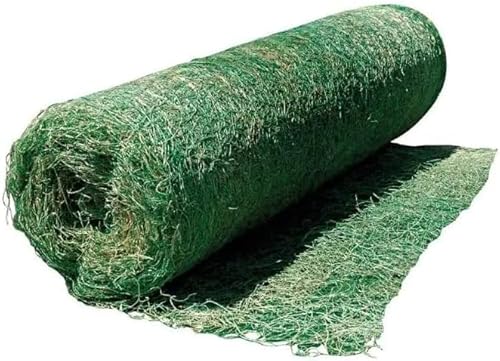
The American Excelsior QuickGrass Pro is a green erosion control blanket with a biodegradable top netting. It safeguards topsoil while promoting grass seed growth. The excelsior-based netting enhances moisture retention and forms a robust fiber matrix, making it versatile for landscaping, road projects, and drainage improvements. It’s a practical option for projects requiring seed establishment alongside erosion control.
Buying decisions for coir erosion control blankets hinge on several factors. First, consider material: coir offers natural durability and seed germination support, while jute is biodegradable but may not last as long in harsh conditions. Coverage and roll size matter for project scale; larger rolls reduce installation time on long slopes. Durability versus speed of restoration is key: longer-lasting blankets reduce maintenance, but may be more expensive upfront. Environmentally friendly options minimize residue and support native vegetation. Finally, ensure the product suits local climate, slope gradient, and erosion severity to meet restoration or DOT requirements.
Buying Guide: Key Purchase Considerations
- Material composition: Coir vs. jute vs. mixed excelsior nets. Assess durability, decomposition rate, and seed compatibility for your site.
- Site conditions: Steep slopes, tidal zones, and riverbanks demand higher durability and moisture retention. Match roll size to project area.
- Coverage and installation: Larger rolls reduce seams. Consider anchoring methods and required installation labor for your terrain.
- Environmental impact: Biodegradability and the presence of seed-free netting affect long-term ecological outcomes.
- Regulatory compatibility: DOT projects and formal restoration programs may require specific erosion-control specifications or certifications.
- Moisture retention and germination: Materials that retain moisture support seed establishment and faster vegetation cover, reducing erosion risk.
- Longevity vs. maintenance: Longer-lasting blankets reduce reapplication frequency but may incur higher upfront costs.
In selecting a coir erosion control blanket, evaluate the project scope, climate, and slope stability needs. For rapid stabilization with natural recovery, consider coir-based blankets featuring high moisture retention and extended lifespans. For shorter-term projects or sensitive ecosystems, biodegradable options with rapid germination can be advantageous. Always align with local environmental guidelines and project specifications to maximize erosion control and vegetation restoration outcomes.