Coconut coir substrates offer a clean, renewable option for plant growth and reptile terrarium bedding. This article highlights top coconut fiber products that balance water retention, aeration, and low EC/pH, helping seedlings thrive and terrariums stay fresh. Below, you’ll find concise product blurbs, practical usage notes, and a buying guide to compare features side by side.
| Product | Brand | Best Use | Key Benefit |
|---|---|---|---|
| Halatool Organic Coco Coir Brick | Halatool | Seed starting, potting | Low EC, balanced pH |
| ZeeDix Coconut Fiber Substrate 2 Pack | ZeeDix | Reptile terrariums | Odor control, natural fiber |
| Legigo 4 Pack Premium Coco Coir Bricks | Legigo | Houseplants, herbs | Multiple bricks, easy storage |
| Riare 2 Pack Natural Coconut Fiber Substrate | Riare | Reptiles, burrowing animals | Biodegradable, odor absorption |
| Coco Bliss (10lbs) Organic Coco Coir | plantonix | Indoor/outdoor plants | Pre-screened, high moisture retention |
Choosing the right coconut coir substrate depends on your primary use—plant health, seedling vigor, or animal bedding. The products below cover a spectrum from pure plant potting mixes to reptile terrarium substrates. Each entry includes practical notes on expansion, water management, and environmental impact to help you decide which option best fits your gardening or terrarium setup.
Halatool Organic Coco Coir Brick For Plants

The Halatool coconut coir brick is a clean, organic planting medium derived from coconut husk fibers. It is designed to be dirt-free and reusable, suitable for starting seeds or growing flowers and other ornamental crops without soil. Each brick measures about 7.8 x 3.9 x 1.97 inches and weighs roughly 1.4 pounds. Its sponge-like fiber swells significantly when hydrated, delivering strong water absorption—estimated at 8-10 times its weight—while promoting drainage to minimize root rot. Easy to use: soak to expand, then crumble and mix with other substrates before placing in a cultivation container. Its low EC and balanced pH help create a stable environment for young transplants and delicate cuttings. Ideal for beginners and seasoned gardeners seeking a soil-free option that expands easily and stores compactly when dry.
ZeeDix Coconut Fiber Substrate, 2 Pack
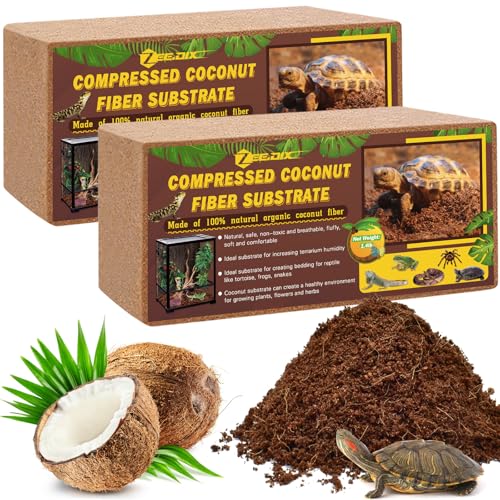
The ZeeDix substrate comes as a two-pack of 7.8 x 3.9 x 1.97 inch bricks, each weighing about 1.4 pounds. It’s designed for reptile terrariums, offering a 100% natural coconut fiber composition that is breathable and biodegradable. The substrate is described as low EC and pH balanced, with the ability to break down odors and waste while maintaining a suitable humidity level for reptiles like bearded dragons, tortoises, geckos, and snakes. It also breaks down naturally after use, allowing easy disposal in outdoor gardens. For best results, a light washing before use is recommended to optimize conditions for worms or beneficial microbes within the enclosure. A practical choice for a clean, odor-reducing terrarium bed.
Legigo Pack Of 10 Organic Coco Coir Bricks

The Legigo 10-pack offers a budget-friendly bundle of compressed coco coir bricks, each 8 x 4 x 2 inches and about 1.4 pounds. This low EC, pH-balanced substrate is a traditional soil alternative designed to expand rapidly with water. It supports thicker plant bases and is suitable for a variety of uses, including herbs, flowers, and vegetables. The bricks compress well for storage and shipping, and their spongy texture promotes aeration and drainage as the material expands. After mixing with other soil amendments, the bricks provide a solid foundation for seedling growth and healthy root systems, with long-term usability across multiple planting cycles.
Riare 2 Pack Natural Coconut Fiber Substrate

The Riare coconut fiber substrate packet includes two bricks, each 7.8 x 3.9 x 1.97 inches. This substrate highlights natural, odorless coconut fiber that retains humidity and supports burrowing behavior in small reptiles, amphibians, and invertebrates. It helps create a cleaner and healthier living space by absorbing liquids and waste while reducing odors. The material is degradable and compostable, providing a green disposal option. Riare emphasizes environmental responsibility, recommending outdoor garden use as fertilizer after use and highlighting its suitability for naturally enriching terrarium habitats with minimal maintenance.
Zoo Med Eco Earth All-Natural Coconut Fiber

Zoo Med’s Eco Earth is an all-natural loose coconut fiber substrate designed for tropical terrarium setups hosting reptiles, amphibians, or invertebrates. It is damp-friendly, naturally absorbing odors and waste, making it suitable for humidity-controlled environments. The product is compatible with a layered terrarium approach where Eco Earth forms a top layer that traps moisture while HydroBalls provide drainage beneath. This combination supports naturalistic habitats that mimic rainforest floor conditions. It is marketed as a safe, odor-neutral substrate that helps maintain environmental clarity inside terrariums over extended periods.
Coco Bliss 10 lbs Organic Coco Coir
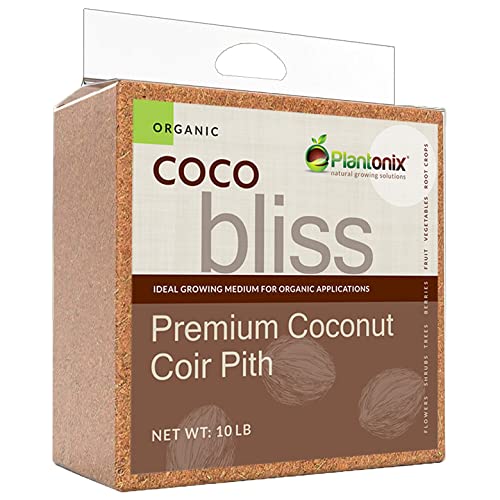
The Coco Bliss coco coir bricks are marketed as pre-screened and pre-rinsed to remove impurities such as sand and rocks, delivering a clean, ready-to-use product. This 10-pound bag serves as a versatile base for seed starting mixes, potting soil blends, or soil amendments for various houseplants, succulents, herbs, and vegetables. The substrate is valued for high moisture retention and a favorable CEC (cation exchange capacity) for nutrient uptake. It expands when hydrated and can be broken apart for seed starting or mixed into existing soil or potting mixes for enhanced water retention and structure. A practical choice for gardeners seeking a reliable, clean coir option with broad application potential.
Buying Guide: Coconut Coir Substrates — Key Purchase Considerations
- Plant vs. terrarium use: Choose products designed for soil-based planting if you plan potting mixes and seed starting. For terrarium habitats, look for substrates that emphasize odor control, humidity maintenance, and non-toxicity.
- EC and pH balance: Low EC and balanced pH help prevent nutrient imbalances and root burn, especially for sensitive seedlings and tropical plants.
- Water retention vs. drainage: The ideal coco coir should hold sufficient moisture while still allowing excess water to drain. The sponge-like texture of coconut fiber supports both needs, reducing root rot risk when used correctly.
- Age and preparation: Pre-rinsed or pre-screened coir tends to be cleaner with fewer contaminants. If not prepped, expect some rinsing and conditioning before use to remove dust or salt.
- Bulk vs. bricks: Bricks save shelf space and shipping costs but require soaking and expansion. Multi-pack bricks offer value for larger projects; single bricks are more convenient for small setups.
- Environmental impact: Coconut coir is renewable and biodegradable, presenting a sustainable alternative to peat-based soils. Consider compostability and how you’ll dispose of spent substrate.
- Compatibility with amendments: Coir often blends well with perlite, vermiculite, compost, and worm castings. A balanced mix can optimize aeration and nutrient availability for diverse plant types.
- Odor control and hygiene: For terrariums, products that claim odor absorption help maintain a cleaner enclosure. Rinse or rehydrate as needed to minimize smells during use.
- Brand consistency and packaging: Some brands offer multi-pack bricks or 2-pack options that suit larger projects, while others emphasize pre-cleaning and user-friendly expansion.
- Intended animal compatibility: If using for reptiles or amphibians, verify that the product is non-toxic, dust-free, and suitable for burrowing species to support natural behaviors.
In summary, coconut coir substrates provide versatile, renewable solutions for both plant cultivation and terrarium environments. By evaluating expansion behavior, moisture management, and preparation needs, gardeners and pet-keepers can select a product that aligns with their goals while supporting sustainable practices.