Clay pebbles grow media offer stable pH, excellent drainage, and robust root aeration for hydroponics, aquaponics, and soil-less setups. This guide highlights five top options, showing who each product is best for and why. Use these selections to compare porosity, size, and suitability for NFT, DWC, or orchid culture. Keep in mind that size, weight, and reusability vary between brands, so choose based on your system and plant type.
| Product | Best For | Key Benefit |
|---|---|---|
| Geolite GMGC45L Clay Pebble Grow Media | Hydroponics & Aquaponics | Neutral pH and high porosity for oxygen and drainage |
| Cz Garden Clay Pebbles | Advanced Hydroponics & Edibles | Stability and safe for organic gardens |
| Voulosimi Clay Pebbles 18LB | Orchid & Decorative Growing | PH neutral, good drainage, versatile soil additive |
| Voulosimi Clay Pebbles 12LB | General Hydroponics & NFT | PH neutral, promotes healthy roots |
| TOYPOPOR Ceramsite Clay Pebbles (2.2lb) | Small to mid pots & mixed media | Balanced capillary action and moisture retention |
Geolite GMGC45L Clay Pebble Grow Media
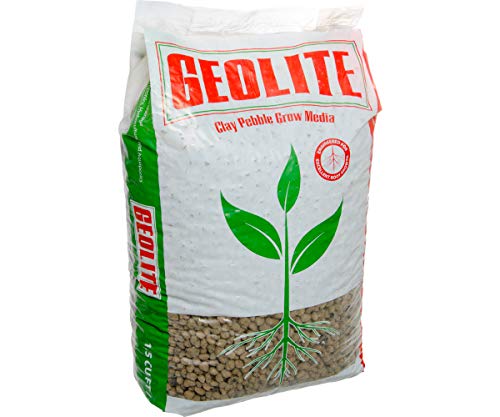
Geolite GMGC45L uses 100% natural expanded clay pebbles (LECA) produced in Italy. The media provides a lightweight, durable substrate with a stable, neutral pH. Its high porosity improves oxygenation, drainage, and moisture control, supporting healthier roots and beneficial microbial activity. Best for hydroponic systems, aquaponics, and indoor gardens that demand reliable drainage and consistent pH. A potential limitation is that larger bags require adequate storage space.
Who it’s best for: serious hydroponics growers and aquaponics enthusiasts seeking a reliable, pH-stable medium that promotes strong root health and microbial balance. Why selected: premium LECA with proven porosity for drainage and aeration. Caution: transport and handling can be bulky; store in a dry area to prevent moisture absorption.
Voulosimi Clay Pebbles Hydroponic Rocks (36LB)

Voulosimi’s 36-pound bag offers a PH-neutral, non-toxic clay pebble option with 0.3–0.5 inch sizing. The media promotes proper drainage and robust root health, suitable for a wide range of horticultural applications. It doubles as a soil amendment or grow medium for orchids and other indoor plants. Best for larger hydroponic systems or bulk growers seeking consistent performance. Limitation: larger quantity may require more storage and handling space.
Who it’s best for: growers needing a scalable, PH-neutral LECA for big setups or orchid cultivation. Why selected: dependable drainage and root health across systems. Caution: ensure proper washing and prepping before use to remove dust.
Voulosimi Clay Pebbles Hydroponic Rocks (12LB)
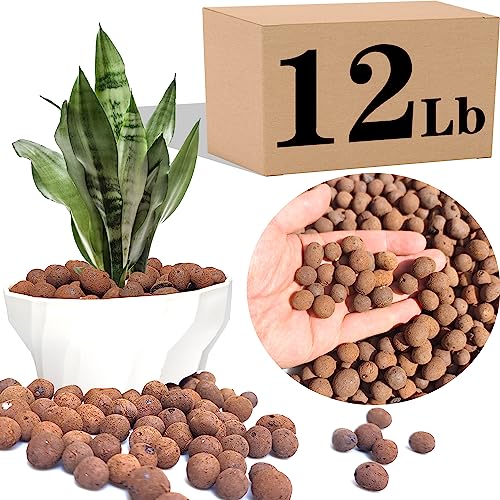
This 12-pound option from Voulosimi provides PH-neutral, non-toxic clay pebbles sized for general hydroponics. Their porous structure supports drainage, aeration, and healthy root systems, making it a versatile choice for NFT, DWC, or mixed-media setups. Best for hobbyists or small to medium systems. Limitation: the bag size may necessitate multiple fills for larger pots.
Who it’s best for: home gardeners and hobbyists needing a reliable grow medium without specialized sizing. Why selected: balance of price, performance, and portability. Caution: verify accurate sizing for your pot dimensions to maximize aeration.
Expanded Clay Pebbles For Orchids And NFT Grow

CZ Garden supplies expanded clay pebbles designed for orchid culture and NFT/DWC hydroponics. The pebbles are kiln-fired for durability and feature a porous structure that supports consistent moisture delivery while avoiding nutrient leaching. Best for growers needing a stable, natural option that won’t introduce phosphates or asbestos. Limitation: some users may prefer pre-washed options to reduce initial sediment.
Who it’s best for: hydroponic growers and orchid enthusiasts seeking a non-leaching, natural substrate. Why selected: top-tier stability and safety for edible and ornamental crops. Caution: rinse well before use to minimize dust and adjust for initial moisture uptake.
Buying Guide
What to consider when choosing clay pebble media
- System compatibility: NFT, DWC, or ebb-and-flow setups benefit from different pebble sizes and porosity. For rapid drainage, larger sizes and higher porosity are ideal.
- Size and weight: smaller pebbles (3-4 mm) suit compact pots; larger pebbles (4-16 mm) support heavier plants and stable support in bigger containers.
- PH stability and leaching: most LECA is pH-neutral and inert, reducing the risk of pH swings in sensitive crops.
- Reusability: many LECA media can be cleaned and reused across multiple cycles, but wear and dust may require replacement over time.
- Dust and contamination: rinse or pre-soak new media to remove dust and minimize root irritation during initial transplanting.
Choosing by plant type
- Orchids and ornamentals: prefer medium sizes with excellent drainage and moisture retention balance.
- Edibles and herbs: look for stable media that won’t leach harmful substances and supports robust root oxygenation.
- Aquaponics and fish-friendly systems: favor media with high porosity for steady oxygenation without clogging.
Maintenance tips
- Regular flushing in hydroponic systems helps prevent salt buildup.
- Rinse media between cycles to minimize debris and alga growth.
- Inspect for cracks or crumbling pieces and replace as needed to maintain drainage efficiency.
FAQ
- What is LECA? LECA stands for Lightweight Expanded Clay Aggregate, a porous clay pebble used as a growing medium in hydroponics and soil-less gardening.
- Are clay pebbles recyclable? Yes, many can be cleaned and reused across multiple grow cycles, depending on wear and cleanliness.
- Do clay pebbles affect pH? Most LECA is pH-neutral and inert, helping stabilize root zone pH.
- Can I mix clay pebbles with soil? Yes, they are often used as a soil amendment to improve drainage and aeration.
- Which size is best for my pots? Smaller pots benefit from smaller pebbles (3–4 mm); larger pots benefit from 4–16 mm sizing for stability and drainage.
- Do I need to wash new pebbles? Yes, washing reduces dust and helps aquatic or hydroponic systems adapt more quickly.