Whether you’re a seasoned gardener or just starting a spicy herb garden, choosing the right chili seeds is essential for a bountiful harvest. This guide highlights five highly regarded pepper seed kits and single-variety packs that cover a range of heat levels, flavors, and growing conditions. You’ll find options suited for containers and raised beds, plus heirloom and non-GMO seeds designed for home gardens and emergency seed storage alike.
Summary of chosen products:
| Product | Brand | Notable Traits | Germination Notes |
|---|---|---|---|
| Thai Chili Pepper Seeds for Planting | SURVIVAL GARDEN SEEDS | Hot Thai variety, compact plants, good for containers | Germinates in 7–14 days; harvest in 95–130 days |
| Hot Pepper Seeds Variety Pack | Sustainable Sprout | 8 varieties incl. Cayenne, Jalapeño, Habanero, Serrano, Poblano | High germination; great for long-term storage; year-round indoors/outdoors |
| KVITER Birds Eye Chili Seeds | KVITER | Very hot 50K–100K SHU; compact, high-yield bush | Germinates 7–14 days; 12–18 inch plants |
| Organo Republic 13 Unique Super Hot Pepper Seeds | Organo Republic | 13 varieties, non-GMO, extensive growing guides | Germination rate shown; assorted peppers for year-round harvest |
| Cayenne Pepper Seeds for Planting | SURVIVAL GARDEN SEEDS | Classic cayenne, high-yield, drying and sauces | Matures in 70–85 days |
Thai Chili Pepper Seeds for Planting

The Thai chili, also known as Bird’s Eye Chili, is a compact, hot heirloom variety prized for cooking, pickling, and drying. These seeds from SURVIVAL GARDEN SEEDS deliver 50,000–100,000 SHU, offering a bright, searing heat that enhances many Asian, Mexican, and fusion dishes. The plants are well-suited for container gardening or small-space beds, maximizing yield in limited spaces. Germination typically occurs within 7–14 days, with transplanting after frost for a productive harvest in roughly 95–130 days. Ideal for gardeners seeking a spicy, reliable pepper that performs well in home gardens and survival seed kits.
Growing tips: provide full sun, consistent warmth, and well-draining soil. Because the variety is compact, regular pruning can help manage growth in containers. Harvest peppers when they turn a glossy red for the most intense flavor. This pack suits home chefs who want fresh, fiery peppers for salsas, curries, and heat-forward recipes.
Hot Pepper Seeds Variety Pack

This Sustainable Sprout assortment includes Cayenne, Anaheim, Jalapeño, Hungarian Wax, Habanero, Serrano, and Poblano, giving gardeners a broad spectrum of heat and flavors. The pack emphasizes abundance, with seeds tested for strong germination rates approaching 90%+ at packing. It also includes a bonus magnet guide detailing the Scoville scale, making it a practical kit for beginners and seasoned growers alike. The seeds are positioned as long-term storage-friendly, suitable for both survival seed banks and everyday planting. The collection is designed for indoor and outdoor versatility, enabling year-round production in trays, pots, hydroponic setups, or traditional garden beds.
Growing tips: start indoors, use transplanting to outdoor beds after frosts, and provide consistent sun. The mix’s broad range supports kitchen experimentation—bulletproof for those who want to compare peppers side-by-side and tailor recipes to depth of heat.
KVITER Birds Eye Chili Pepper Seeds
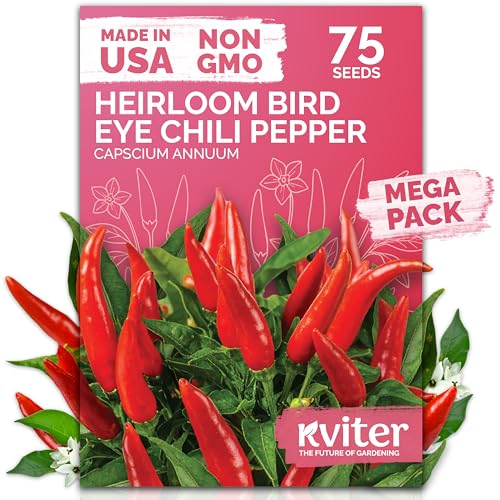
KVITER’s Birds Eye Chili seeds focus on fiery, compact plants that deliver small, intensely hot peppers. Expect 50,000–100,000 SHU with a bushy growth habit that fits balcony gardens, patios, and small raised beds. Germination occurs in 7–14 days with optimal warmth, and the plants typically reach a manageable height of 12–18 inches, making them a practical choice for home gardeners who want quick, spicy payoff in a small footprint. These peppers are ideal for stir-fries, hot sauces, and dried chili flakes, contributing robust heat and a distinctive Thai-style profile to dishes.
Growing notes: ensure full sun and avoid overwatering. Regular harvesting as peppers turn red can encourage continued fruiting. The variety’s compact size helps maximize harvests in containers, especially where space is limited.
Organo Republic 13 Unique Super Hot Pepper Seeds

Organo Republic provides a 13-variety super hot pepper seed kit designed for diverse growing experiences. The pack includes non-GMO heirloom options such as Caloro, Firecracker, Fresno Chile, Habanero, Jalapeño, and Serrano, among others. With 1,020+ seeds across 13 varieties, this kit emphasizes breadth and versatility—from everyday cooking to more adventurous preserves and culinary experiments. The packaging includes QR-accessible growing guides and seed-starting resources, aiding both novice and experienced gardeners. The kit is well-suited for those who want a perpetual pepper garden with multiple heat profiles and flavors to explore in sauces, salsas, and roasted dishes.
Growing considerations: diversify your containers or garden rows to accommodate the height and spread of different varieties. Plan succession planting to maintain a continuous harvest through growing seasons. The included guides help maximize germination and crop success in varied climates.
Cayenne Pepper Seeds for Planting
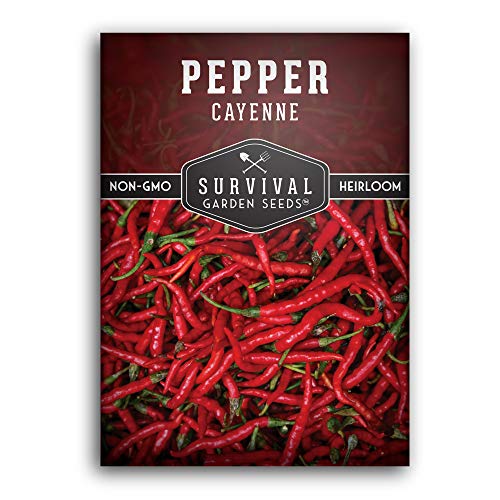
Survival Garden Seeds’ Cayenne pepper seeds deliver classic heat and flavor, with peppers maturing in 70–85 days. Cayenne peppers are renowned for their drying versatility, sauces, and bold seasonings. The plants tend to produce abundant slender fruits, which thrive in full sun and well-draining soil across a wide range of zones (4–11). This option is ideal for gardeners focusing on preservation and long-term use: dried cayenne flakes, pepper powders, and homemade hot sauces are common outcomes. Gardeners can also experiment with grinding dried peppers into custom spice blends for regional cuisines.
Growing tips: provide steady moisture without waterlogging and monitor for even ripening. The long, slender fruits make harvesting efficient, and regular picking encourages continued fruiting through the season.
Buying Guide: Key Purchase Considerations for Chili Seed Kits
- Heat level and flavor profile: Decide whether you want milder, moderate, or extreme heat, and consider pepper flavor notes (citrusy, smoky, fruity) to match intended recipes.
- Growing space and plant habit: Choose compact, container-friendly varieties if you’re short on space; consider bushy vs. tall varieties for garden beds or trellising.
- Germination and viability: Look for seeds with high germination rates (often stated as 80–95%+ at packing). Freshness can affect germination, so consider the shelf life and storage recommendations.
- Your climate zone: Select peppers with maturity times that fit your frost dates. Early-maturing varieties reduce the risk of cold snaps ending a harvest.
- Storage and longevity: If you’re building a seed vault or survival kit, prioritize non-GMO, heirloom, or open-pollinated seeds with long shelf lives and clear storage guidance.
- Versatility and uses: Consider whether you want peppers for fresh eating, sauces, drying, or preserving. Some varieties are ideal for salsas and hot sauces, while others excel in drying and grinding.
- Seed quantity and value: Pack sizes vary; larger packs are cost-effective for serious gardeners, while beginner growers may prefer smaller, diversified packs to test different varieties.
- Growing guides and support: Some products include seed-starting guides, QR codes, or online resources—these are helpful for optimizing germination and crop success.
Across these options, you’ll find peppers suited for beginners and seasoned growers alike, with a balance of heat levels, plant sizes, and culinary versatility. When planning, map out a planting calendar that spaces varieties by their days-to-maturity and outdoor heat tolerance. For cooks seeking bold flavors, combining several heat profiles can yield complex, layered peppers ready for sauces, salsas, and savory dishes.