Discover the allure of night-blooming cereus, a collection of Epiphyllum and Selenicereus varieties renowned for large, fragrant white flowers that open after dusk. This guide highlights five reliable options, covering care needs, growth habits, and bloom potential. Whether you seek trailing accents for a hanging basket or a statement plant for a bright indoor spot, these selections provide diverse choices for American homes and gardens.
| Product | Type | Bloom Notes | Growth Habit |
|---|---|---|---|
| Generic FlowerPotNursery Night-Blooming Cereus | 4″ Pot, White | Fragrant white flowers at night | Trailing |
| Organic Queen of The Night Live Plant Epiphyllum Oxypetalum | Live Plant Cutting | Night-blooming, dawn to night fragrance | Upright to sprawling |
| 2 Orchid Epiphyllum Cactus Night Blooming Cereus Cuttings | Cuttings | Very large blooms, single-night perfumery | Climbing/branching |
| Epiphyllum Queen of The Night – 2 Potted Plants | 2 Potted Plants | 8-10″ blooms, fragrant | Compact to spreading |
| Live White Epiphyllum Orchid Flowers Plant | Potted Plant | Fragrant, large flowers, climbing habit | Climbing/trellising |
Generic Night-Blooming Cereus 4″ Pot

Exotic flowering plant with fragrant white blooms that emerge at night. This cereus is described as easy to grow, thriving in bright, indirect light with minimal watering when the soil dries. Its trailing habit makes it ideal for hanging baskets or containers where stems can cascade over the edge. The plant is suited for beginners and experienced gardeners seeking a dramatic, low-maintenance specimen.
Organic Queen Of The Night Live Plant Epiphyllum Oxypetalum

This Queen of the Night, an Epiphyllum oxypetalum cutting, produces large, fragrant white flowers, blooming mainly at night and sometimes dawn to early evening across spring and summer. Plants arrive rooted in a small transit pot and may include side branches or flower buds. They prefer bright indirect light and consistent moisture while avoiding frost exposure. Expect 2-3 bloom cycles yearly under optimal conditions.
Epiphyllum Night Blooming Cereus Cuttings

These cuttings represent Queen of the Night cereus varieties known for exceptionally large blossoms, often up to 12 inches wide. Flowers open primarily in the evening and smell of vanilla. Care emphasizes bright, indirect light and steady moisture, with a preference for well-draining media. As cuttings, plant health depends on proper rooting and gradual acclimation to their new potting mix.
Epiphyllum Hookeri Strictum Cuttings

Vicky’s Garden Epiphyllum Hookeri Strictum cuttings offer a tropical, orchid-like cactus experience with a focus on fragrance and foliage. Organic growth is emphasized in the product description. With appropriate indirect light and moderate moisture, cuttings can establish into sturdy, flowering plants—though bloom timing and size can vary by cultivar and growing conditions.
Epiphyllum Queen Of The Night 2 Potted Plants

Two potted Epiphyllum oxypetalum specimens with fragrant, large white blooms in summer. Images are for reference; actual plant height varies and may not bloom during shipment. Provide bright indirect light and maintain moderate to seasonally low moisture, with frost protection. This option suits households seeking a pair of flowering specimens in a single purchase.
Live White Epiphyllum Orchid Flowers Plant
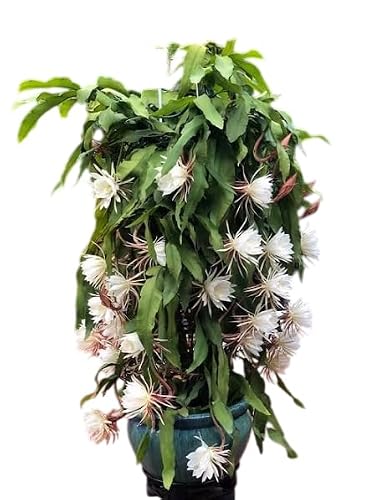
Climbing Epiphyllum Orchid Flowers with large, fragrant blossoms, this queen-of-the-night plant can reach substantial heights as it matures—potentially up to 10 feet tall. Bright indirect light is essential, with attention to drainage and moisture. This option emphasizes climbing growth and a striking fragrance profile for evening enjoyment.
Night Blooming Cereus Live Plant Ships Without Pot
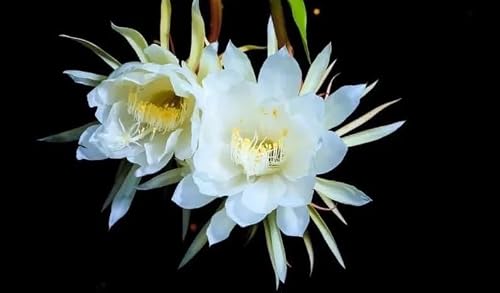
This listing notes the plant ships without a pot and excludes California addresses. It describes a single Night Blooming Cereus plant with the characteristic nocturnal blooms. Best suited for growers who plan to transfer the plant into a preferred container promptly and provide stable, indirect light and controlled watering to encourage root establishment.
Buying Guide
- Bloom timing and fragrance: Night-blooming cereus varieties typically flower after dusk, with blooms lasting only a night or two. Consider varieties that match your desired scent strength and bloom window.
- Light needs: Most Epiphyllum and Selenicereus types prefer bright, indirect light. Direct sun can scorch leaves; indoor setups near east or north-facing windows often work well.
- Watering and soil: Keep the soil evenly moist during active growth, then allow surface soil to dry between waterings. Use porous, well-draining media to prevent root rot.
- Growth habit: Trailing cereus are ideal for hanging baskets, while upright or climbing types benefit from supports or trellises. Consider your space and display goals.
- Container and potting: Small cuttings or young plants ship in transit pots; plan to repot promptly into a broader container with fresh cactus mix for better root development.
- Temperature and frost: Most night-blooming cereus prefer warm conditions and frost protection. In colder regions, maintain indoor temperatures or bring plants indoors during winter.
- Propagation: Cuttings root readily in warm, humid environments. For cuttings, allow a callus before planting to reduce rot risk.
- Maintenance and pests: Inspect for common houseplant pests like mealybugs or scale. Increase humidity slightly and ensure good air circulation to deter issues.
- Bloom expectations: Some varieties bloom yearly, others less predictably. Patience and consistent care often yield the best flowering results.
- Source reliability: Choose suppliers with clearly described plant health, shipping practices, and rooting status to ensure transplant success.