Discover cedar wood raised beds that stand up to the elements while supporting healthy root growth. Cedar is naturally resistant to rot and insects, making it a popular choice for long-lasting garden infrastructure. This guide features top cedar-wood options along with alternative high-quality wooden beds to help you compare depth, volume, and assembly requirements for raised-bed gardening success.
| Product | Wood Type | Approx. Depth | Key Benefit |
|---|---|---|---|
| Infinite Cedar Deep Root Cedar Raised Bed Garden Kit | Cedar | 16.5 inches | Deep-root plant compatibility, sturdy build |
| Infinite Cedar Premium Cedar Raised Garden Bed | Cedar | 11 inches | 1″ thick boards, strong corners |
| EARTH ELEVATED 100% Canadian Cedar Wood Elevated Garden Bed | Cedar | 30 inches high | Ergonomic design with built-in drainage |
| Best Choice Products 72x24x30in Raised Garden Bed | Wood (Chinese fir) | 30 inches | Large planting space and durable construction |
| Best Choice Products 48 x 24 x 30 Inches Raised Garden Bed | Wood (Chinese fir) | 30 inches | Balanced size with good drainage and strength |
The following sections showcase five raised-bed options that align with cedar durability and garden usability. Each entry includes an image, a direct Amazon link, and a concise look at its construction and soil-friendly features.
Infinite Cedar Deep Root Cedar Raised Bed Garden Kit

The Infinite Cedar Deep Root kit stands out with a 16.5″ depth, enabling deep-rooted plants to thrive. Built with 1″ thick premium boards and reinforced joints, this bed resists bowing under heavy soil and moisture. It ships with all hardware for quick assembly and can be disassembled as needed for storage or relocation. The cedar’s natural oils provide weather resistance, reducing the need for frequent sealants. This bed is well-suited for root vegetables, herbs, and perennials that benefit from added depth.
Infinite Cedar Premium Cedar Raised Garden Bed

Premium Cedar Raised Bed uses 1″ thick boards for superior strength and a durable corner design that resists warping. The 4′ x 4′ footprint (approximate) supports a variety of vegetables, herbs, and flowers. All boards are pre-cut and pre-drilled for straightforward assembly, and the unfinished wood can age naturally or be stained. Cedar naturally resists rot and insects, offering a long-lasting framed garden space with low maintenance requirements compared to other woods.
EARTH ELEVATED Canadian Cedar Wood Elevated Garden Bed

Earth Elevated markets a 100% Canadian cedar bed designed for ergonomic gardening with built-in drainage. The elevated layout reduces bending and strain, making it ideal for gardeners with mobility concerns. Cedar’s natural durability is enhanced by a robust frame and careful joinery. The bed’s dimensions accommodate ample soil volume, supporting herbs, vegetables, and ornamentals while keeping soil aerated and drainage efficient. This option suits balconies, patios, and compact yards where comfort and accessibility matter.
Best Choice Products Raised Garden Bed 48x24x32-inch Mobile
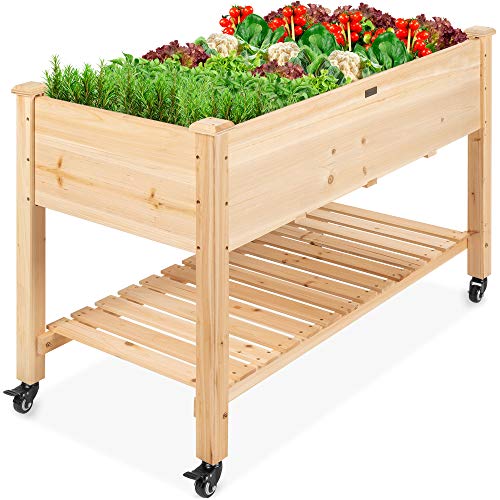
This mobile elevated bed adds convenience with locking wheels for moving sun exposure and shade. Standing 32 inches tall, it minimizes bending and back strain while providing a generous soil volume. A bed liner separates wood from soil, reducing weed growth and extending the life of the planter. While not cedar, the all-wood construction offers a sturdy frame and protection against soil-borne pests, making it a versatile option for movable urban garden setups.
Best Choice Products 72x24x30in Raised Garden Bed
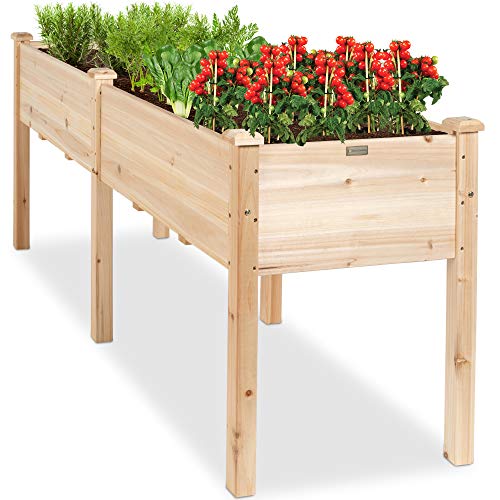
This larger elevated bed delivers ample planting space with an 8.4 cubic feet capacity, along with six drainage holes to aerate roots and prevent waterlogging. The all-wood construction uses Chinese fir, offering a durable, weather-friendly profile that resists warping and sagging over time. For gardeners seeking a bigger footprint to grow a wider assortment of crops, this option balances volume with straightforward assembly and maintenance.
Buying Guide: Cedar Wood vs. Other Wood Choices
Key considerations when selecting a cedar bed include depth and soil volume, board thickness, and joinery quality. Deeper beds accommodate root crops and heavy soils, while thicker boards reduce warping and improve longevity. Cedar’s natural oils deter insects and rot, typically reducing maintenance needs and the frequency of sealants or paints. For mobility, beds with wheels and integrated liners offer practical benefits, especially in urban spaces with limited sun exposure.
When comparing cedar and non-cedar options, weigh the trade-offs between cost, durability, and appearance. Cedar tends to command a higher initial price but delivers long-term resistance to moisture and pests, potentially lowering lifecycle costs. Non-cedar woods like Chinese fir are reliable and often more budget-friendly, but may require more maintenance or sealing over time to preserve finish and prevent warping. Consider local climate, rainfall, and sun patterns to determine the ideal wood type and bed dimensions for your garden.
Practical tips for selecting a cedar bed include:
- Check for pre-drilled holes and included hardware to simplify assembly.
- Verify the wood is naturally rot-resistant and sourced from sustainably managed forests when possible.
- Consider bed height to reduce bending and back strain during planting and harvest.
- Assess drainage features and whether a liner is included or recommended to prevent soil loss.
- Look for reinforced corners and cross supports to ensure long-term stability under weight from soil and moisture.
By evaluating these factors, you can choose a cedar bed that aligns with your garden’s size, accessibility needs, and environmental preferences, while maintaining a robust and attractive growing space for years to come.