Looking for a raised garden bed that reduces bending, supports heavy soil, and lasts for years? This guide spotlights cedar and metal options ideal for American backyards, patios, and decks. Each product best serves specific gardeners—whether you want natural cedar beauty, heavy-duty metal durability, or a combination of both. Below are five top picks with clear reasons to choose each, plus a practical buying guide and a concise FAQ.
| Product | Best For |
|---|---|
| Gardener’s Supply Elevated Cedar Raised Garden Bed | Back-friendly planting on decks or patios; organic vegetables and flowers |
| Raised Garden Bed with Legs 48x24x30 | Spacious, ergonomic cedar bed for diverse crops |
| Land Guard Galvanized Raised Garden Bed Kit | Low-maintenance metal bed with a modern oval shape |
| Elevated Raised Garden Bed-V Series 2′ x 4′ | Very ergonomic, high weight capacity with modern frame |
| 48×24×30 Inch Raised Garden Bed With Legs (Wood-Natrl Store) | Classic solid wood, generous planting area |
Gardener’s Supply Elevated Cedar Raised Bed

The bed uses naturally weather-resistant cedar with heavy-duty rustproof aluminum legs and corners, supporting approximately 13 cubic feet of container mix. At 29 inches high, it offers an ergonomic height that minimizes bending and kneeling, ideal for long planting sessions on patios or backyards. The overall size is 96 inches long, 24 inches wide, and 29 inches tall, providing about 16 square feet of growing space for vegetables, fruits, and flowers. It is built in the USA for durability and stability.
Best for: Gardeners seeking a sturdy, back-friendly cedar bed that elevates plants to a comfortable height. It suits those who prefer a natural wood aesthetic and want durable metal reinforcements for long-lasting use. This bed is a solid choice for organic vegetable growth and flower beds on decks or patios.
Limitations: Assembly involves aligning cedar panels with aluminum corners, which may require careful handling for first-timers. The large footprint is best suited to spacious patios or backyards rather than small balconies.
Raised Garden Bed With Legs 48x24x30

This bed features a natural cedar build with 30-inch legs designed for ergonomic gardening. The spacious 48x24x30-inch footprint accommodates multiple vegetables and herbs, and its cedar wood offers natural insect-repelling properties. The design supports up to 200 pounds of soil and plants, and the unit is paintable for customization. It aims to provide a back-friendly gardening experience with straightforward assembly.
Best for: Gardeners who value a cedar aesthetic, simple DIY assembly, and a tall, back-friendly bed with substantial planting space. The bed’s height and volume make it well-suited for raised-bed enthusiasts focusing on a diverse crop mix.
Caution: Cedar can be fibersensitive during assembly; proper pre-drilling and gentle handling help prevent cracking. The bed weight support is adequate for typical soils but check soil load when adding extra amendments or containers.
Land Guard Galvanized Raised Garden Bed Kit

This kit uses galvanized metal with a Q195 sheet, delivering an oval design that combines strength with an attractive silhouette. It emphasizes corrosion resistance and a sturdy interface to prevent deformation over years of use. Assembly is straightforward and designed for quick setup, allowing you to start planting soon after unboxing. The metal construction supports ongoing productivity for outdoor beds.
Best for: Gardeners seeking low-maintenance metal beds with a modern oval profile that stands up to the elements. Ideal for those who want a durable, long-lasting bed that requires little upkeep beyond routine irrigation and soil care.
Limitations: Metal beds can heat up more quickly in hot sun, which may affect some plants. Consider adding mulch or shade if planting heat-tolerant varieties is a priority in warmer climates.
Elevated Raised Garden Bed-V Series 2′ x 4′

This bed uses a reinforced VZ 2.0 material—an alloy-coated steel with AkzoNobel paint—providing a 20+ year life and safer, eco-friendly materials. The one-piece welded corner and leg construction enhances strength, with lower support brackets and central reinforcement on larger sizes. Weight capacity reaches up to 700 pounds for the 2′ x 4′ model, offering stability for soil, plants, and water. The total height is 32 inches to minimize bending and improve accessibility.
Best for: Gardeners seeking high strength and longevity with a modern, low-maintenance finish. Its substantial weight capacity and elevated height are ideal for productive, back-friendly vegetable and herb growing on patios or porches.
Limitation: The premium construction may come with a higher upfront cost relative to simpler cedar options. Ensure fit for your intended space and load requirements before purchasing.
48×24×30 Inch Raised Bed With Legs (Wood-Natrl Store)
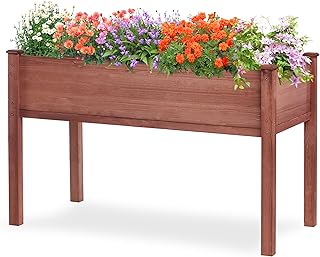
This solid wood raised bed uses durable legs and a wide planting area of 48 by 24 inches, offering a stable, elevated gardening platform for vegetables, herbs, and flowers. The ergonomic height reduces bending, and the bed is designed for outdoor durability in yard or balcony settings. The cedar or hardwood appearance provides a natural aesthetic that blends with landscape greens and garden decor.
Best for: Gardeners who want a classic wood look with generous planting space and a straightforward setup. This option balances aesthetics with practical growing area, suitable for varied crops in personal gardens.
Limitations: Wood is susceptible to weathering over time; regular maintenance such as sealing or staining may extend the bed’s lifespan. Consider location and exposure to the elements when selecting this bed.
Buying Guide: Cedar And Metal Raised Beds
- Material choice matters: Cedar is naturally resistant to decay and insects and offers a warm, natural look. Metal beds (galvanized or coated steel) provide exceptional durability and a modern silhouette but can heat up in hot sun.
- Height and ergonomics: Higher beds (25–32 inches) reduce bending, aiding gardeners with back or knee concerns. Check if the legs or stands provide sturdy support for your soil load.
- Weight capacity and soil depth: Consider how much soil you’ll add and what plants you’ll grow. Heavier crops and deeper soils require stronger construction and larger weight ratings.
- Maintenance and longevity: Cedar requires minimal maintenance but may need occasional sealing. Metal beds often need less ongoing upkeep but can corrode in certain environments if not properly treated.
- Assembly and space: Measure your planting area. Some beds are long and wide, best for decks with ample space; others are compact and suitable for balconies with limited room.
Comparative Tips
- Best for back-friendly growing: Elevated cedar beds and V-Series elevated models.
- Best for low maintenance: Galvanized and coated metal beds.
- Best for aesthetics: Cedar natural wood with warm tones complements traditional gardens.
- Best for large crop variety: Larger footprints with ample planting area like 48×24 inches or longer.
FAQ
- Which bed is easiest to assemble? Metal beds with simple panel connections and fewer parts tend to install quickly, while larger wooden beds may need more time for alignment.
- Are cedar beds safe for edible plants? Yes, cedar is a natural, untreated option that is commonly used for edible gardens, especially when designed for outdoor durability.
- Will metal beds overheat plant roots? In hot climates, metal can heat up more than wood. Mulch, shade, or choosing heat-tolerant crops can help.
- What height should I choose for ergonomic gardening? Beds around 30 inches tall are widely recommended to minimize bending, but personal comfort matters most.
- Do I need a liner for raised beds? Some models include liners for soil containment and ease of cleaning; others can be used with or without liners depending on design.
- Which bed offers the best longevity? High-quality galvanized metal and robust welded-frame beds typically offer longer lifespans, especially in harsh weather.