Choosing the right seed starter pots can boost germination rates and simplify transplanting. This guide highlights top cardboard- and compostable-based options that support healthy root growth while reducing waste. Each product balances biodegradability, drainage, and ease of use, helping American gardeners start herbs, vegetables, and flowers with confidence.
style=”font-weight:bold;”>Summary of Featured Products
| Product | Brand | Size / Capacity | Key Benefit |
|---|---|---|---|
| Jolliance 60 Pack 4″ Peat Pots | Jolliance | 4 inch diameter | |
| EBaokuup 40pcs Biodegradable Seeding Pots | EBaokuup | 2.3″ opening, 4.5″ total height includes humidity dome | |
| Deepthi 3-Inch Coco Coir Pots | Deepthi | 3 inch | |
| KameL Biodegradable Plant Pots (Set of 60) | KameL | 4.7 x 3.5 inches | |
| Envelor Coco Coir Plant Pots (6 Inch, 5 Pack) | Envelor | 6 inches; 5 packs |
Jolliance 60 Pack 4” Peat Pots
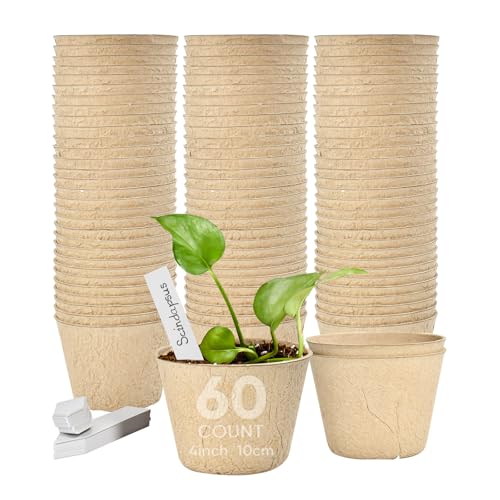
Jolliance offers a bulk set of 60 biodegradable 4-inch pots with 60 plant labels. Made from recycled pulp, these pots provide breathable root zones and quick biodegradation when planted. The drainage holes support healthy moisture levels, making them suitable for starting flowers, herbs, and vegetables before transplanting to garden beds or larger pots.
EBaokuup 40pcs Biodegradable Seeding Pots

EBaokuup pairs 2.3-inch pots with transparent humidity domes to maintain optimal humidity during germination. The 4.5-foot total height (including dome) supports seedling development, while drainage holes help prevent overwatering. Made from recycled pulp, these pots biodegrade as seedlings mature, reducing plastic waste in pots and planters.
Deepthi 3-Inch Coco Coir Pots

Deepthi offers 3-inch coco coir seed starter pots in a pack of 12. Made from renewable coconut fiber, these pots are biodegradable and eliminate transplant shock by enabling roots to be moved directly into soil. They support herbs, vegetables, and flowers with good airflow and moisture management for healthy seedlings.
KameL Biodegradable Plant Pots (Set of 60)

KameL’s set of 60 cardboard pots features a corn-based coating designed to begin dissolving once planted. They are BPA-free and suitable for growing edible herbs, vegetables, and flowers. Each pot includes drainage-friendly design elements to support healthy root development during early growth phases.
Envelor Coco Coir Plant Pots (5 Pack)

Envelor provides five 6-inch coco coir seed starter pots in a pack, combining sustainable coco fiber with strong moisture retention and good aeration. These pots support seedling vigor and can be transplanted directly into the ground, minimizing root disturbance during repotting.
Buying Guide
Key considerations when selecting cardboard or biodegradable seed starter pots include material, biodegradability, drainage, size, and compatibility with transplant methods. Cardboard pots with corn-based coatings dissolve in soil, reducing transplant shock and waste. Coir pots offer robust moisture retention and airflow, often preferred for longer germination cycles. Humidity domes support high germination rates for delicate seeds, but require careful ventilation to prevent mold. Size should align with the mature plant’s root zone to prevent root binding. Ensure pots have drainage holes and are appropriate for indoor seed starting or outdoor nursery use.
If you plan to transplant into garden soil, options labeled as biodegradable or plantable are advantageous because they minimize root disturbance and reduce waste. For edible herbs and vegetables, verify that the material is BPA-free and free from toxins. Consider whether you want a flat-pack, bulk option for large seed starting projects, or smaller bundles for focused kitchen garden setups.
Durability matters: non-woven fabric grow bags provide excellent air pruning and root health, while traditional peat- or coir-based pots excel in moisture management. Humidity domes can increase germination success for slow-to-germinate species, but ensure you can remove or ventilate the lid as seedlings establish.
In summary, choose a mix of sizes to accommodate different seed types, prioritize biodegradable materials, and consider whether you prefer fiber-based pots or plantable corrugated options to align with your gardening goals and waste-reduction targets.