Looking to add classic charm with bell-shaped blooms? This guide highlights five top Canterbury Bells (Campanula) seed options, useful for borders, cottage gardens, and cut-flower beds. Each selection targets specific gardener needs—from heavy bloomers for pollinator-friendly plots to compact choices for containers. Read on to compare growth habits, color ranges, and planting notes to choose the best Canterbury Bells seeds for your climate and space. The table below summarizes key details at a glance.
| Product | Best For | Bloom Color Range | Growth Habit |
|---|---|---|---|
| Wivolibe Canterbury Bells Seed Mix (500 Seeds) | Border displays, cutting garden | Pink, White, Blue | Biennial to short-lived perennial potential |
| Wivolibe 300 Biennial Campanula Seeds | Starter plantings with tall spikes | White | Tall stems; biennial growth cycle |
| Mixrug 5000+ Perennial Campanula Mix | Large-color impact in borders | White, Blue, Pink | Perennial-style, long-stemmed |
| Generic 300+ Campanula Canterbury Bells Seed Mix | Mixed-color border displays | Blue, Purple, Pink, White | Biennial with secondary bloom potential |
| Cozy Crib Canterbury Bells Seed Mix (100 Seeds) | Containers and small-space borders | Blue, Pink, White | 20–24 in height; versatile placement |
Note: All selections are seed-based, non-GMO claims vary by listing, and germination timelines depend on climate, soil quality, and stratification practices. Use the buying guide below to tailor choices to your growing region and garden goals.
Canterbury Bells Seed Mix by Wivolibe

Features: Classic old-fashioned bellflowers that form tall spikes with bell-shaped blooms in pink, white, and blue. 500-seed non-GMO heirloom packet offers generous planting material for borders or cutting gardens. Best for gardeners seeking a vibrant, multi-colored display with pollinator appeal. Caution: germination rates are influenced by stratification and soil conditions; success improves with proper cold treatment.
300 Biennial Campanula Seeds (Wivolibe)

Features: Long stems up to 32 inches; white bell-shaped flowers from late spring to early summer. Well-suited for tall border edges or background screens. Best for gardeners who want height and a pure white focal point. Caution: germination can take 14–21 days; keep seeds moist during wait.
Mixrug 5000+ Perennial Campanula Mix

Features: 32-inch-tall stems with white bell-shaped flowers; suitable for border anchors and cutting gardens. Best for gardeners seeking a high-volume, long-season display with sturdy stems. Caution: grown from seeds; performance depends on soil drainage and moisture management.
300+ Campanula Seeds (Generic)

Features: Mixed colors including blue, purple, pink, and white bloom along tall spikes; biennial habit with two-year growth cycle. Best for gardeners who want a diversified color display and a traditional Canterbury Bells look. Caution: some seeds may take longer to germinate; ensure consistent moisture for uniform sprouting.
Canterbury Bells Seed Mix by Cozy Crib (100 Seeds)
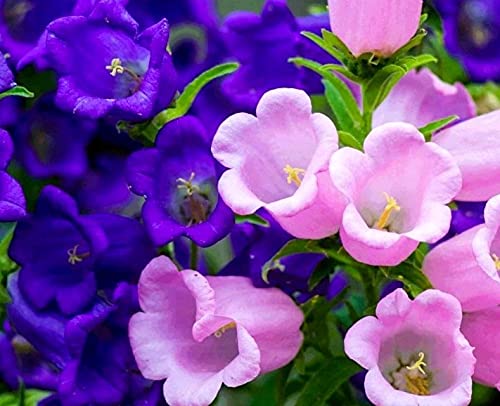
Features: Bluebells and related bellflowers in a colorful mix; 20–24 inches tall, suitable for borders or containers. Best for small spaces and beginner gardeners seeking decorative, easy-care plantings. Caution: first-year growth may be rosette-like before flowering in year two or later depending on climate.
Buying Guide
What should I consider when choosing Canterbury Bells seeds?
- Growth habit: Biennial vs. perennial-style growth affects bloom timing and garden planning.
- Color range: Pick a mix for a cohesive display or select solid colors for a focused look.
- Space and height: Taller varieties are ideal for back borders; compact forms suit containers.
- Soil and drainage: Canterbury Bells prefer well-drained soil; amend heavy clay or sandy soils as needed.
- Germination and stratification: Some seeds benefit from cold stratification; follow seed packet instructions.
How to plant for best results?
- Sow in spring after the last frost or in fall in milder climates where winter stratification occurs naturally.
- Plant in full sun to light shade with moist, fertile, well-drained soil.
- Thin seedlings to prevent crowding; provide support for tall stems if needed.
- Water consistently during germination and establish budding phase to reduce transplant shock.
Which option is best for pollinators?
Caldwell-style Campanula varieties with multiple colors tend to attract bees and butterflies across bloom seasons. If pollinator impact is a priority, choose mixes with steady bloom from late spring through summer.
How to care for Canterbury Bells long-term?
- Mulch to retain soil moisture and regulate temperature.
- Divide or seed-sow reinforcements for continuous display across seasons.
- Protect from extreme heat in hot southern climates by providing partial shade mid-day.
FAQ
- Are Canterbury Bells seed mixes truly non-GMO?
- Will Canterbury Bells come back each year?
- What is the best soil pH for these plants?
Neutral to slightly alkaline soil (pH near 6.5–7.5) typically supports strong growth.
- Can I grow these in containers?
- When should I expect blooms?
Many seed packets claim non-GMO; verify with product descriptions and supplier notes to confirm.
Most are biennials; some gardeners report self-seeding and reflowering in favorable climates, but repeat blooming is not guaranteed.
Yes, select compact or border-focused mixes and ensure adequate drainage and moisture.
Blooms often appear in the second year for biennial types, with some varieties showing earlier under optimal conditions.