Answering the question for serious plant lovers: the right cactus and succulent soil mix improves drainage, roots, and growth. This guide compares top options for indoor and outdoor use, highlighting who each mix is best for and where it shines. Ideal buyers include beginners seeking quick setup, enthusiasts needing better drainage, and potters wanting soil tailored to drought-tolerant species. Below is a quick table of the five selected products to consider at a glance.
- Miracle-Gro Cactus, Palm & Citrus Potting Mix — fast-draining, enriched with plant food; good for cacti, palms, citrus, succulents.
- Back to The Roots Succulent & Cacti Mix (6 Quarts) — organic, balanced nutrients, enhanced soil structure for aeration.
- Miracle-Gro Succulent Potting Mix (4 qt) — formulated specifically for indoor succulents and cacti, with premium nutrition.
- Rosy Soil Cactus & Succulent Potting Mix (4 qt) — fast draining, peat-free, microbe-enriched for desert plants.
- Hoffman 10410 Organic Cactus and Succulent Soil Mix (10 Quarts) — looser mix to improve drainage and reduce caking.
Best Overall Fast-Draining Mix: Miracle-Gro Cactus, Palm and Citrus
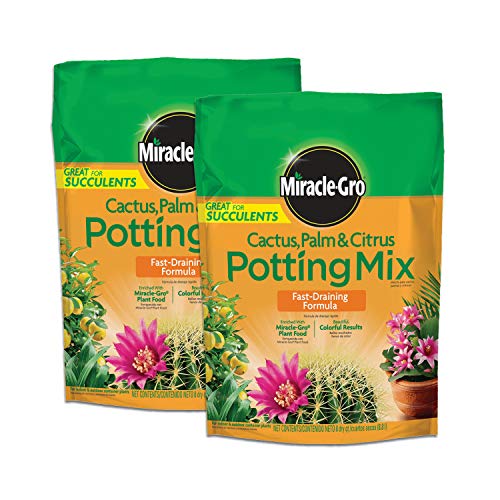
Best for: new and intermediate hobbyists who want quick results with minimal additional amendments. This Miracle-Gro formulation is designed to promote fast drainage and is enriched with plant food, supporting growth in cacti, palms, citrus, and succulents. The mix is suitable for both indoor and outdoor container planting, offering a reliable all-purpose option when you need a readily available cactus potting soil. A potential limitation is that it includes fertilizer, which may be excessive for some drought-tolerant species if overapplied.
Best Organic Option: Back to The Roots 6 Quart Mix

Best for: gardeners seeking organic, USA-made options with a balanced nutrient profile. The 6-quart mix emphasizes an enhanced soil structure from aged bark for better aeration and root growth, plus added perlite and sand to improve drainage and prevent waterlogging. This reduces root rot risk and supports robust succulent and cactus health. A limitation is the smaller package size for larger collections or ongoing projects.
Best Value for Larger Projects: Back to The Roots 12 Quart
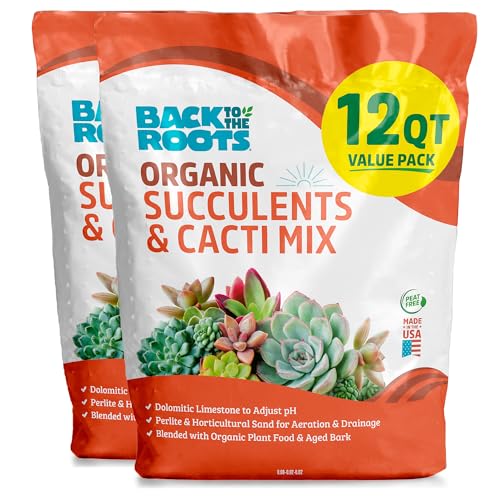
Best for: hobbyists expanding collections or tending multiple pots. This 12-quart mix builds on the same principles as the 6-quart version, offering a larger quantity with the same enhanced structure, aeration, and drainage. It is well-suited for those who want consistent results across several plants. A potential limitation is the increased bulk and weight for storage in small spaces.
Best Indoor-Succulent Focus: Miracle-Gro Succulent Potting Mix
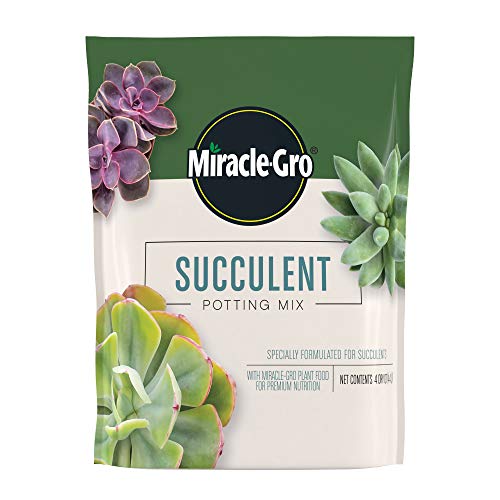
Best for: indoor succulent enthusiasts and plant caretakers wanting a soil blend designed specifically for succulents and cacti. This mix uses sphagnum peat moss, processed forest products, and Miracle-Gro plant food to deliver essential nutrition. It suits a range of indoor species like aloe, echeverias, and haworthias. A caution: fertilizer content means careful watering to avoid fertilizer burn in sensitive plants.
Best for Desert Plants: Rosy Soil Cactus & Succulent Mix
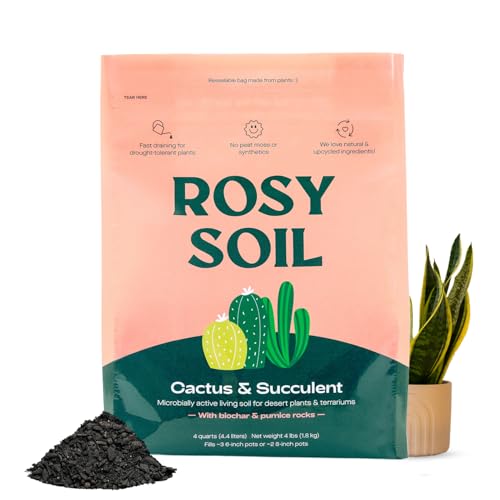
Best for: desert plants and terrariums where fast drainage and a peat-free composition matter. The mix emphasizes a chunkier, looser texture for air and water movement, plus organic worm castings and beneficial microorganisms to support growth. It’s well-suited for drought-tolerant species like aloe and many cacti, but may require supplemental nutrients for rapid tropical or lush varieties.
Best Organic Option: Hoffman Cactus Soil Mix

Best for: buyers who prefer an organic approach to soil with a focus on drainage and reduced caking. This mix is designed to loosen clay soils and improve aeration, making it a solid base for cacti and succulents that require drier feet. It’s available in a larger 10-quart size for bigger projects. A potential limitation is that it may not contain added plant food, requiring separate feeding if needed.
Buying Guide: Key Purchase Considerations
- Drainage vs. water retention: Most succulents require well-draining soil. Look for mixes with perlite, pumice, sand, or bark to improve airflow and prevent root rot.
- Nutrient content: Some mixes include fertilizer; others are focused on pure drainage. Choose based on whether your plants need ongoing feeding or you plan to fertilize separately.
- Organic vs. synthetic: Organic blends often rely on natural materials and worm castings, while synthetic blends emphasize fast-release nutrients. Consider your preferred gardening approach and plant species.
- Container size and plant collection: Smaller setups may benefit from 4-quart to 6-quart bags, while larger collections need bigger quantities. Check package sizes and storage space.
- Texture and rooting: Chunkier mixes promote air gaps and root health; finer blends may compact over time. Assess the plant’s pot size and root depth before choosing.
FAQ
- What soil is best for cactus and succulents? A fast-draining, low-water-retention mix with components like perlite, pumice, sand, and bark tends to work best for most cacti and succulents.
- Should I fertilize my cactus soil? Some mixes contain fertilizer; if not, you can fertilize lightly with a cactus-appropriate fertilizer during the growing season, following label directions.
- Can I use regular potting soil for succulents? Regular potting soil often retains too much moisture and can cause root rot. Opt for a specifically formulated cactus or succulent mix.
- How often should I replace succulent soil? If drainage becomes poor or roots show signs of stress, consider refreshing with a fresh mix to restore aeration and moisture balance.
- Is peat-free soil better for succulents? Peat-free blends are often preferred for environmental reasons and can improve drainage and aeration in many desert plants.
- Can these soils be used for indoor terrariums? Yes, several blends are suitable for indoor use, especially those designed for succulents and cacti with good drainage and lightweight texture.