This guide highlights top planter box options designed for vegetable gardening, from elevated wooden beds to durable plastic and composite designs. Each pick is chosen for durability, ease of assembly, and suitability for backyard, patio, or balcony growing. Read on to compare features and find the best fit for your space and climate.
| Product | Material | Bed Size | Weight Capacity | Notes |
|---|---|---|---|---|
| Best Choice Products 48 x 24 x 30 Inches Raised Garden Bed | Wood | 48 x 24 inches | 200 lb | Elevated bed with bed liner; natural wood look |
| TT Nature HDPE Raised Garden Bed With Legs | HDPE | Varies | Not stated | Weatherproof, low maintenance, no rot |
| Best Choice Products 34x18x30in Raised Garden Bed | Wood | 34 x 18 inches | 150 lb | Child-friendly height; bed liner included |
| 3 Pcs Raised Garden Bed Outdoor With Legs | Polypropylene | 47 x 15 inches | 6.3 gal capacity per bed | DIY assembly; drain outlet |
| DIZAIGOGO 47x15x19in Raised Garden Beds Outdoor | Polypropylene | 47 x 15 inches | 11.8-inch soil depth | Open-base design; weather resistant |
Choosing a planter box involves balancing space, soil depth, weather resistance, and maintenance needs. The selections below cover concrete wood constructions and durable plastic options, ensuring vegetable-friendly beds suited to patios, balconies, and backyards alike.
Best Choice 48 x 24 x 30 Inches Raised Garden Bed
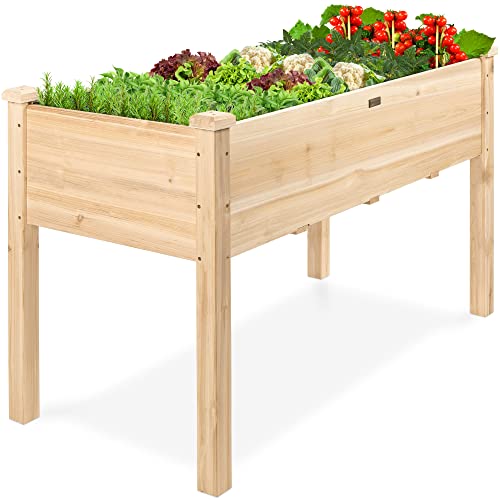
Designed with a long planting bed (5 cubic feet) to provide ample space for vegetables to grow healthily. It features a drainage design to prevent waterlogging and a full all-wood construction using Chinese fir for durability and weather resistance. This elevated bed can reduce soil compaction and can be positioned for easy access in backyards, patios, or balconies.
TT Nature HDPE Raised Garden Bed With Legs
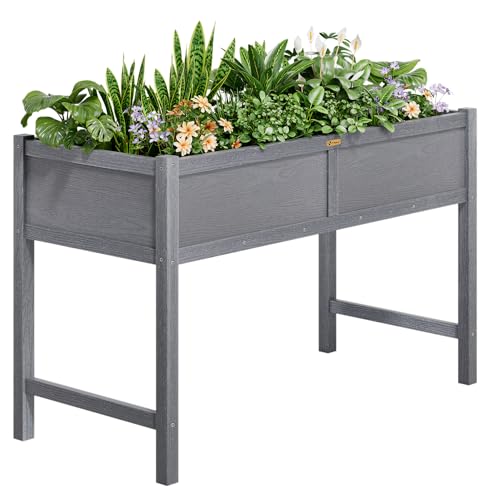
Constructed from high-density polyethylene, this raised bed is crack-resistant, rust-proof, and UV-stable. Its HDPE composition resists rot and fading, offering a long-lasting, low-maintenance option. Built-in drainage holes help prevent overwatering, with reinforced crossbars for stability, making it suitable for all climates and care routines.
Best Choice 34x18x30in Raised Garden Bed

This elevated bed offers ample planting space with a 2.65 cubic feet soil volume, making it suitable for vegetables and herbs. It uses durable Chinese fir wood and includes a bed liner to help protect wood from moisture while maintaining a natural appearance. The design aims to reduce warping and sagging over time and is well-suited for kids and beginner gardeners.
3 Pcs Raised Garden Bed Outdoor With Legs

A modular kit featuring 47x15x14 inch beds with an 11.8-inch soil depth, designed for medium-deep rooted vegetables, herbs, and flowers. The set includes extra brackets for sturdy assembly and a built-in drain outlet with a removable water plug, enabling flexible water management for root health and yield optimization.
DIZAIGOGO 47x15x19in Raised Garden Beds Outdoor

This polypropylene raised bed offers a 47x15x19 inch footprint with an 11.8-inch soil depth, providing ample space for a variety of vegetables, herbs, and flowers. Constructed for durability in heat and frost, the beds feature an open-base design to promote drainage and root health, with weather resistance suitable for year-round use.
Buying Guide
- Space and layout: Choose dimensions that fit your available area. Elevated beds reduce bending and are ideal for tight patios, while larger ground-level boxes suit expansive backyards.
- Materials and durability: Wood provides a natural look and good stability but may require maintenance and treatment for outdoor use. Plastic or HDPE options resist rot and are low maintenance, though some may limit longevity under intense sun.
- Soil depth and drainage: Deeper beds support a wider range of crops, including deep-rooted vegetables. A built-in drainage system or open-base design helps prevent waterlogging and nutrient buildup.
- Assembly and modularity: DIY kits with simple hardware and minimal tools speed up setup. Modular beds enable future expansion or reconfiguration without major work.
- Maintenance and climate: Consider weather resistance, UV stability, and compatibility with your local climate. Beds designed for low maintenance save time over multiple seasons.
- Accessibility: Elevated designs reduce strain and improve accessibility for seniors or those with mobility concerns.
- Plant compatibility: Ensure bed depth aligns with preferred crops (lettuce and herbs require less depth; tomatoes and peppers need more).