Keeping indoor plants pest-free protects growth, color, and overall health. The right bug killer targets common infiltrators like aphids, mites, whiteflies, and fungus gnats without harming your plants. This guide reviews top options, focusing on ready-to-use formulas, plant-safe ingredients, and practical use tips for American households. Read on to compare products that balance quick control with safety for families, pets, and edible plants.
| Product | Brand | Format | Main Benefit |
|---|---|---|---|
| BioAdvanced Houseplant Insect & Mite Control | BioAdvanced | Ready-to-use spray | Fast contact kill for insects and mites |
| Garden Safe 32 oz. Insecticidal Soap | Garden Safe | Ready-to-use liquid | Soap-based, suitable for organic-style use |
| Neudorff Indoor Plant Spray | Neudorff | Ready-to-use spray | Kills a wide range of pests, including eggs |
| EcoVenger by EcoRaider | EcoVenger | Spray | Plant-extract based, non-toxic |
| STEM Plant Bug Spray | STEM | Plant-based spray | Ants, roaches, and flies control |
BioAdvanced Houseplant Insect & Mite Control
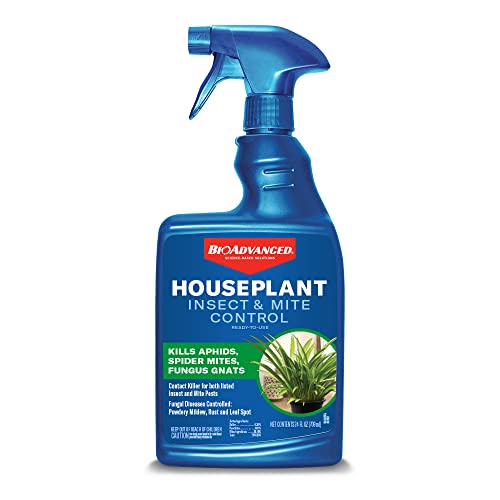
BioAdvanced offers a ready-to-use solution that targets both insects and mites on houseplants. The product emphasizes contact killing, which means pests must be sprayed directly for effective control. It’s designed for use indoors and outdoors, making it versatile for potted plants near windows, balconies, or sunrooms. The formula is described as effective against common houseplant pests like aphids, whiteflies, lace bugs, and notably mites such as spider mites. For homeowners seeking rapid, surface-level knockdown that doesn’t require mixing, this option provides straightforward application and broad coverage. Use on flowers and herbs as needed, focusing spray on new shoots and undersides of leaves for best results.
Garden Safe 32 oz. Insecticidal Soap Ready-to-Use

Insecticidal soap is a classic, contact-based option that works well on soft-bodied pests. This Garden Safe formula comes ready to use, requiring no mixing. It’s suitable for indoor use, outdoor gardens, and greenhouse settings, making it practical for those who maintain a variety of plants. Direct application to all plant parts, including the undersides of leaves, is essential for control. The product supports organic gardening approaches and can be used on edibles, vegetables, and ornamentals up to the day of harvest. This makes it a flexible choice for kitchens, patios, and indoor herb gardens alike.
Neudorff Indoor Plant Spray

Neudorff’s indoor spray is positioned as a broad-spectrum solution that kills a wide range of pests on contact, including spider mites, scale, aphids, and fungus gnats. It highlights its effectiveness across various plant types—from vegetables to ornamentals—while being compatible with organic gardening practices due to botanical ingredients. Importantly, the product claims to kill eggs and insect life stages, which helps curb re-infestation. The formulation is designed for indoor use with vegetables, fruits, and flowers, and it can protect container-grown plants and greenhouse specimens alike. This makes it a solid, multi-purpose tool for a pest-prone living space.
EcoVenger by EcoRaider

EcoVenger emphasizes a plant-extract based, non-toxic approach to pest control. It’s designed for home use around children and pets, which is attractive for households seeking safer indoor environments. The formula targets a broad set of common pests, including gnats and various crawling insects, with a focus on fast action and lasting prevention. A key feature is its dual action: it aims to kill existing insects on contact while contributing to longer-term deterrence. For plant owners prioritizing natural ingredients and family safety, EcoVenger provides a compelling option that aligns with low-toxicity expectations.
STEM Kills Ants, Roaches And Flies

STEM’s plant-based bug spray targets a triad of pests—ants, roaches, and flies—with a botanical formulation designed to be safe for indoor use around people and pets when used as directed. The product emphasizes a fresh scent and the avoidance of harsh chemical odors, making it appealing for indoor spaces where odors could be a concern. While primarily marketed for general pest control, its plant-based composition can be a favorable option for households looking to minimize synthetic chemical exposure while maintaining plant health and household comfort.
Buying Guide: Key Purchase Considerations
When choosing a bug killer for indoor plants, consider pest type, plant sensitivity, and usable space. For rapid knockdown of aphids, mites, and whiteflies, contact sprays like BioAdvanced and Neudorff are effective, especially when pests are concentrated on new growth or undersides of leaves. If you prefer organic-leaning or plant-based approaches, EcoVenger and STEM offer gentler options that prioritize safety for families and pets, though they may require more frequent applications for ongoing infestations. Insecticidal soaps from Garden Safe provide a versatile choice that works on soft-bodied pests but may need thorough leaf coverage and repeated treatments for stubborn populations.
Protection scope is another factor: some formulas are suitable for both indoor and outdoor use, while others are optimized for indoor plant care or edible garden contexts up to harvest. Consider whether you need systemic protection (root absorption) or contact kill only. For edible plants, prioritize products labeled safe for use on fruits and vegetables and those that are OMRI-listed or clearly compatible with organic gardening standards.
Application tips include spraying on all plant surfaces, including undersides of leaves and new shoots, and avoiding water-stressed plants. Always follow label directions for dilution (if applicable), spray timing (avoid strong sunlight or flowering periods where relevant), and compatibility with beneficial insects if your indoor garden includes decorative or edible plants. Finally, select a formula whose scent, texture, and residue align with your indoor space and maintenance routine to ensure ongoing plant health and user comfort.