Choosing the right budding and grafting knife can improve grafting success, reduce plant stress, and speed up seasonal pruning tasks. This guide reviews five top-rated options, highlighting blade material, ergonomics, and durability to help American gardeners select the best tool for fruit trees, roses, and bonsai. Each product includes a quick snapshot of key features to inform comparison and purchase decisions while avoiding prices and promotional fluff.
Summary of Featured Products
| Product | Brand | Blade Material | Notable Feature |
|---|---|---|---|
| FELCO Budding And Grafting Knife | FELCO | High-carbon steel | Ergonomic handle, precise cuts |
| Konload Grafting Knife For Fruit Tree | Konload | HSS M42 cobalt steel | Ultra-sharp, laser-balanced |
| Grafting Knife For Pruning With Double Blades | Mudder | Stainless steel | Two blades, included grafting tape |
| Konload Ultra Sharp Grafting Knife | Konload | HSS M42 cobalt steel | Full-tang, paracord wrap |
| Grafting Knife, COMKIT Foldable Double Blades | MoldFun | Stainless steel | Foldable, compact for field use |
FELCO Budding And Grafting Knife
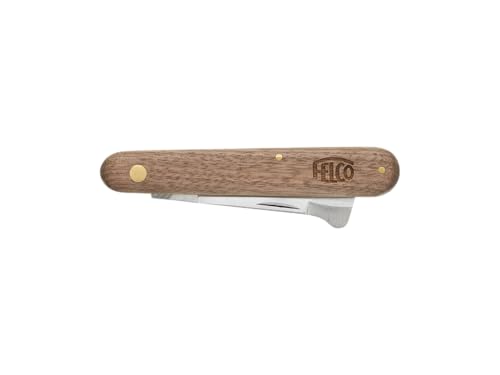
FELCO’s budding and grafting knife is designed specifically for grafting tasks, with a sharp high-carbon steel blade that provides accuracy for delicate cuts. The ergonomic handle is crafted to reduce hand fatigue during extended use, aiding consistency in blade alignment for successful grafts. This model’s balance and edge retention suit home gardeners and professionals who perform regular budding on fruit trees, roses, and bonsai. The blade geometry supports both budding and grafting scenarios, enabling clean, precise incisions critical to plant health.
Konload Grafting Knife for Fruit Tree Kiridashi

This Konload knife features a hardened HSS-M42 blade with a high hardness rating (HRC 65-69) for outstanding edge retention. Built with precision in mind, it is hand-sharpened and polished using multiple grit stages to deliver a razor-sharp edge that produces clean, controlled cuts. The paracord-wrapped handle provides a non-slip grip and enhanced control, reducing fatigue during intricate grafting tasks. The knife’s design emphasizes balance and durability for demanding garden work, including fruit trees and bonsai.
Grafting Gardening Knife For Pruning With Double Blades
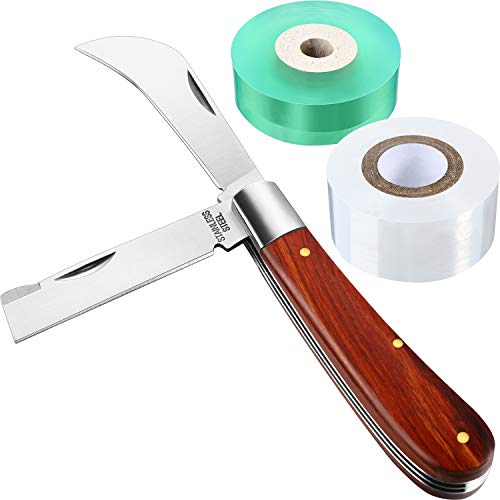
This Mudder grafting knife set includes double blades and grafting tape, offering versatility for budding and grafting tasks. The curved blade allows precise positioning, while the straight blade handles tougher cuts with confidence. The included grafting tapes help secure new growth, potentially improving survival rates of seedlings and grafted plants. The kit is well-suited for hobby gardeners and small-scale orchard work where multiple cut orientations and tape applications are beneficial.
Konload Ultra Sharp Grafting Knife for Fruit Tree

This Konload model emphasizes a full-tang design and a lightweight build, making it comfortable for extended grafting sessions. The blade is crafted from HSS-M42 cobalt steel with a slim profile and paracord-wrapped handle to reduce fatigue during delicate cuts on fruit trees, roses, and herbs. Available in multiple colors, the knife combines durability with a balanced feel that helps maintain precision across repetitive grafting motions. Its edge retention is designed for repeated use in demanding garden tasks.
Grafting Knife, COMKIT Professional Foldable Double Blades

The COMKIT folding grafting knife is designed for field use, featuring stainless steel blades that are ready for light pruning and budding. The foldable mechanism makes it compact for transport in backpacks or gardening kits. The blade length around 2.4 inches supports precise cuts while remaining robust enough for routine grafting work. The combination of a foldable design and durable blade makes this tool attractive for hobbyists who graft on the go or prefer a compact kit approach.
PAXLINSEN Double Blade Pruning Knife

The PAXLINSEN pruning knife provides a dual-blade design with curved and straight options to tackle a variety of pruning, budding, and grafting tasks. The stainless steel blades paired with an ergonomic wooden handle aim to deliver durable performance and a comfortable grip during detailed cuts. The natural wood handle adds a classic touch while ensuring a secure hold for precise control during delicate grafting work.
Buying Guide
- Blade material and hardness: Higher hardness (HRC 65-69) and cobalt-based steels typically offer longer edge retention, but may require sharpeners with appropriate compatibility. Consider the balance between sharpness, durability, and maintenance needs.
- Blade design: Curved blades excel at positioning cuts for budding, while straight blades handle robust cuts. Some models include double blades for versatility; folding options add portability for fieldwork.
- Handle ergonomics: Look for non-slip, well-balanced handles that reduce fatigue during extended grafting sessions. Paracord-wrapped or wooden handles provide different grip feels—test if possible.
- Full-tang vs. partial tang: Full-tang construction often yields greater durability and stability during heavy cuts, especially for thicker wood species.
- Included accessories: Grafting tapes or bark lifters can complement the knife, increasing overall grafting success and saving time during the process.
- Maintenance: Some blades require regular sharpening with specialized stones or tools. Stainless steel variants resist corrosion, making them easier to maintain in humid climates.
- Intended use: For fruit trees, roses, or bonsai, select a knife tailored to precision cuts and delicate tissue; for smaller trees or herb grafts, lighter-weight options may suffice.
- Portability: Field-ready choices include foldable designs and lightweight builds that fit neatly in a grafting kit or pocket.
Across these options, a common goal is clean, precise cuts that minimize plant damage while maximizing grafting success. Users should weigh blade hardness, handle comfort, and the necessity of portability against the scale of their grafting projects. For hobbyists focusing on occasional grafts, a mid-range stainless model with a comfortable handle may offer the best balance. Professionals handling frequent grafts may prioritize high-hardness cobalt blades and full-tang constructions for maximum durability and accuracy.