When grass shows brown patches, the goal is fast, targeted relief that prevents spread and restores a uniform lawn. The top products below are chosen for their relevance to brown patch, red thread, dollar spot, and related lawn diseases, as well as common causes like pet urine damage and patch repair. The list focuses on products best for homeowners seeking clear, actionable lawn care results, with notes on suitability and limitations for each option.
Summary table of selected products:
| Product | Best For | Why This Choice |
|---|---|---|
| Scotts DiseaseEx Lawn Fungicide | Brown patch and other lawn diseases | Broad disease control; fast action; long-lasting protection. |
| BioAdvanced Fungus Control for Lawns | Prevention and treatment of common lawn diseases | Effective fungicide with 30-day protection; good for ongoing care. |
| Spectracide Immunox Fungus Plus Insect Control | Fungal diseases and lawn insects | Dual-action protection; rainproof; regular treatment helps prevent outbreaks. |
| See Spot Run Lawn Protection Concentrate | Dog urine spots and soil conditioning | Soil conditioning to counteract yellow patches caused by pet urine; easy hose-end application. |
| Scotts EZ Seed Patch & Repair Sun and Shade | Bare spots needing reseeding | Seed, mulch, fertilizer combo for quick repair in sun/shade areas. |
Scotts DiseaseEx Lawn Fungicide for Lawn Care
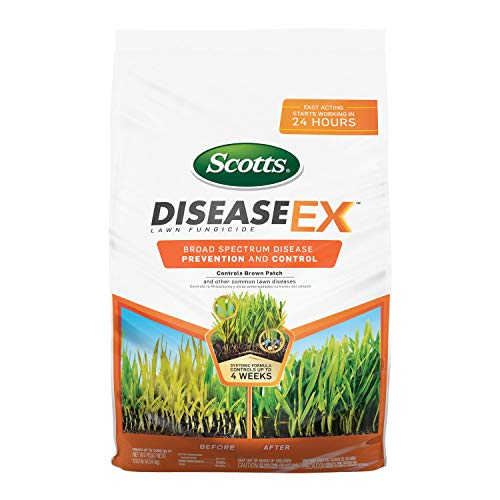
What it is best for: homeowners facing brown patch and other fungal diseases. Why selected: this product targets 26 listed diseases, including brown patch and pythium blight, making it a solid choice for winter-to-spring disease prevention and rapid symptom suppression. How it helps: starts working within 24 hours and provides up to four weeks of protection when used as directed. Caution: ensure proper application rates for your lawn size and grass type to avoid overuse.
See Spot Run Lawn Protection Concentrate

What it is best for: lawns with dog urine spots needing soil conditioning. Why selected: it focuses on counteracting the yellow patches caused by pet urine and makes hose-end application simple for regular maintenance. How it helps: conditions soil and prepares it for reseeding or new growth alongside other lawn care steps. Caution: not a broad fungicide; rely on disease-focused products if fungal issues are also present.
Dog Spot Repair Grass Paint

What it is best for: quick cosmetic concealment of brown burn patches from dog urine or traffic damage. Why selected: a ready-to-use spray that covers patches rapidly, helping maintain an even appearance while you address root causes. How it helps: convenient for immediate visual repair; not a disease treatment. Caution: does not restore soil health or prevent future patches—use alongside soil and lawn care practices.
Scotts EZ Seed Patch & Repair Sun and Shade
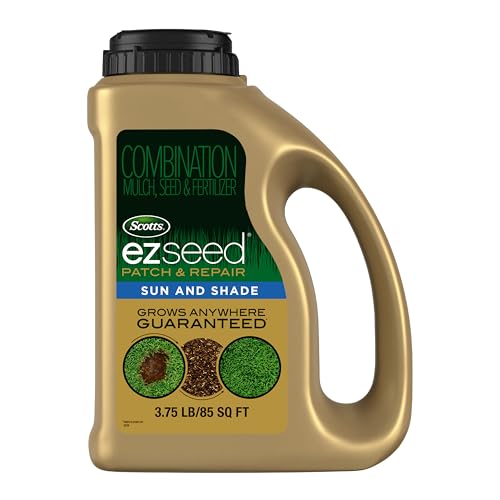
What it is best for: repairing bare lawn spots and reseeding in sun and shade. Why selected: combines seed, mulch, fertilizer, tackifier, and a protectant to stabilize seedlings. How it helps: supports successful regrowth in difficult areas and can complement disease treatments by restoring turf cover. Caution: results depend on proper watering and ongoing lawn maintenance; not a fungicide.
BioAdvanced Fungus Control for Lawns

What it is best for: prevention and treatment of listed lawn diseases with monthly protection. Why selected: provides disease control for a range of fungi, including common threats like red thread and brown patch. How it helps: up to 30 days of protection; acts as part of an ongoing disease-management plan. Caution: follow label directions for frequency to avoid potential misapplication and ensure compatibility with your grass type.
Spectracide Immunox Fungus Plus Insect Control

What it is best for: quick, dual-action protection against lawn diseases and certain pests. Why selected: Immunox combines fungicidal and insect-control properties, which helps prevent disease outbreaks that can be worsened by feeding insects. How it helps: claims rainproof protection and a routine treatment cadence. Caution: insect-control claims vary by pest type; use as directed and avoid overuse in sensitive turf.
Buying Guide: Brown Spot Lawn Care Essentials
What should you treat first when you see brown patches?
Identify the likely cause: fungal disease, pet urine damage, or bare spots needing reseeding. Start with a disease-focused fungicide if brown patches are spreading without obvious soil discoloration; use soil conditioners or reseeding products for spots caused by pet urine or soil compaction.
Should you use a fungicide on all lawn types?
Most fungicides are safe for common cool-season and warm-season grasses when applied as directed. Always check the label for your grass type and follow the recommended rate to avoid lawn damage or chemical sensitivity.
How often should you re-treat for brown patch prevention?
For many products, a monthly or biweekly schedule provides ongoing protection when disease pressure is present. Some products offer 30-day protection; plan monitoring around weather conditions and disease risk. Do not exceed label guidelines.
What role does soil health play in preventing brown spots?
Healthy soil builds resilient turf. Consider soil conditioners, proper aeration, and pH management alongside fungicides and seed repair. For pet-related damage, soil conditioning and targeted reseeding can help recover grass more quickly.
When should you reseed bare patches?
Timing depends on your climate and grass type. Use reseeding products like EZ Seed Patch & Repair for sun and shade to accelerate recovery after treating diseases or repairing urine damage. Keep new seed consistently moist until germination.
Are cosmetic sprays a substitute for soil health?
No. Sprays, like grass paints, provide temporary concealment for appearance. They do not treat disease or restore root health. Combine cosmetic solutions with fungicides, soil conditioners, and proper irrigation for long-term improvement.
What about pet-related lawn damage?
Address root causes first: reduce urine concentration, dilute spots with water, and add soil amendments to neutralize pH. Use products designed for urine spots to condition soil and support regrowth. Consider combining with a reseeding approach for best results.
FAQ
- Q: Can I use multiple lawn fungicides at once?
- A: It is generally not recommended to combine products. Follow label directions and consult product compatibility information to avoid phytotoxicity or reduced effectiveness.
- Q: How soon will I see improvement after applying a fungicide?
- A: Many products show visible effects within 24 hours to a few days, with continued protection over the following weeks as directed.
- Q: Is reseeding necessary after brown patches?
- A: Reseeding is often necessary if patches are bare or the turf is severely thinned. Use seed blends suited to your climate and light conditions for best results.
- Q: Can dog urine damage be prevented long-term?
- A: Soil conditioning, proper lawn irrigation, and selective seed repair can help reduce future patches. Consider pet-specific solutions to minimize recurring damage.
- Q: Should I treat before a problem appears?
- A: For high-risk lawns, preventive fungicide applications during peak disease seasons can help minimize outbreaks. Always follow label recommendations for preemptive use.