When choosing brown sand and gravel, look for cleanliness, safety for aquatic life, and the right particle size for your setup. This guide highlights five solid options suited for aquariums, vivariums, terrariums, and decorative crafts. Best for natural-looking substrates, all picks are natural, non-toxic, and chosen for consistency and ease of maintenance. Readers will find: who each product is best for, why it’s a good fit, and any notable limitations. Use the quick reference table below to compare core details at a glance.
| Product | |||
|---|---|---|---|
| Aqua Natural Midnight Pearl | Gravel Substrate | 2-4 mm | Aquariums and vivariums needing clean, uniform pebble sizing |
| LANDEN Mekong Brown-Black Sand | Sand Substrate | 2-5 mm | Natural river-bottom look; good depth for planting |
| NUPICK 1-2mm Coarse Sand | Coarse Sand | 1-2 mm | Desert/planting mixes; decor and bottom habitats |
| Hygloss Colored Sand – Brown | Colored Fine Sand | Fine grain | Colorful crafts, layered sand art, classroom projects |
| S&S Worldwide Color Splash Brown Sand | Colored Fine Sand | Fine grain | Terrariums, crafts, and decorative layering |
Aqua Natural Midnight Pearl 10lb Gravel Substrate

Aqua Natural Midnight Pearl is a 2-4 mm gravel designed for aquariums, vivariums, and terrariums. It is triple washed and kiln dried to remove toxins and foreign matter, delivering a clean, 100% natural pebble with uniform sizing. Best for aquariums and low-stir environments where consistent appearance matters. A caution: ensure thorough rinsing before first use to remove residual dust from the packaging.
YISZM Aquarium Sand, Beige

YISZM’s Beige Aquarium Sand provides a natural, neutral backdrop that enhances plant color and fish presentation. Available in several weights, it suits both small and larger tanks. The sand is processed to be safe for aquatic life and supports a natural substrate appearance. Choose this for a balanced look where you want beige tones to contrast with greens and browns in the tank. Limitation: color may lighten slightly after prolonged submersion in water, so plan aesthetic changes accordingly.
LANDEN Mekong Brown-Black Sand

LANDEN Mekong Brown-Black Sand offers a natural river-bottom look with 2-5 mm grains. It is suitable for substrate use in aquascapes, with a deeper color that helps highlight plants and driftwood textures. Best for tanks aiming for a darker, earthy palette and for bottom-dwelling species that prefer a natural-looking bed. Limitation: darker colors can absorb heat more quickly, so monitor temperature as needed.
NUPICK 1-2mm Coarse Sand
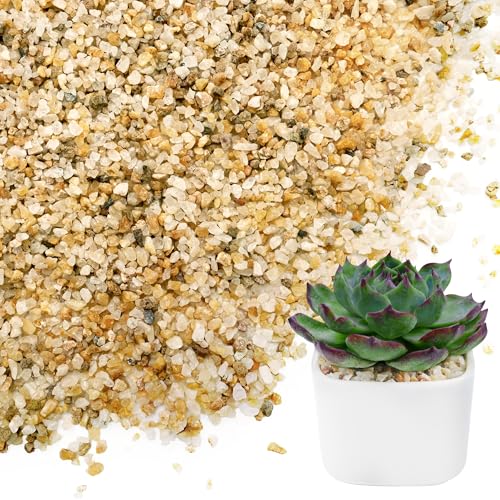
NUPICK 1-2mm Coarse Sand is a natural silica sand designed for plant-supporting mixes and decorative use in pots, terrariums, and aquariums. It enhances aeration and moisture balance when mixed with soil, helping prevent compaction around roots. Best for succulent arrangements and bottom feeders that benefit from a light, breathable substrate. Caution: not all setups need a mix with soil; test compatibility with your plant and fish species before integration.
Hygloss Brown Colored Sand
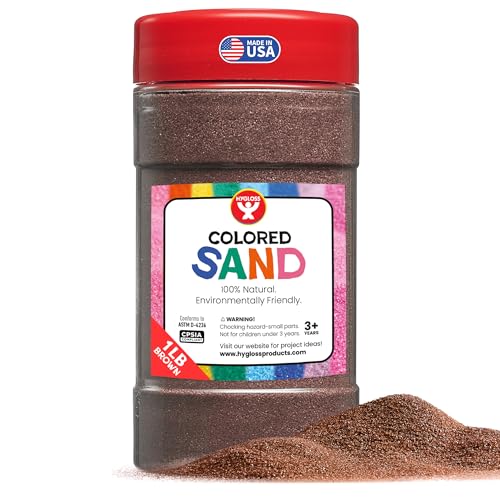
Hygloss Brown Colored Sand provides a vibrant, child-friendly option for decorative crafts and classroom use. The fine grain makes it ideal for layered sand art in jars and bottles, while the brown hue adds warmth to seasonal craft projects. Best for arts-and-crafts and educational displays. Limitation: not intended for use in aquatic environments where a true substrate is needed for plant or animal health.
S&S Worldwide Color Splash Brown Sand

S&S Color Splash Brown Sand comes in a two-pound bag and is designed for layering in bottles, terrariums, and DIY crafts. It is non-toxic and available in multiple colors, with brown as a versatile option for earthy designs. Best for terrariums and art projects that require a fine, uniform sand layer. Caution: ensure color stability for long-term tank use, as colored sand may fade with extended exposure to light and moisture in some setups.
Buying Guide
- Substrate size and texture: For aquariums and terrariums, choose particle size that matches your tank depth and inhabitants. Coarser sands (1-2 mm) provide good drainage; finer sands (0.5-1 mm) create smooth looks but may compact.
- Color and appearance: Brown tones range from beige to dark brown. Darker sands highlight colorful plants and fish, while lighter browns blend with natural décor. Consider whether you want a uniform look or a multi-toned bed.
- Safety and cleanliness: Look for pre-washed, toxin-free substrates. Triple-washed or kiln-dried options reduce cloudiness and leaching.
- Compatibility with inhabitants: Some sands are labeled safe for aquatic life; colored craft sands may not be ideal for tanks. Verify safety for fish, invertebrates, and plants before use.
- Maintenance and longevity: Sands and gravels that resist decomposition and clumping reduce maintenance. Silica sands are durable; some decorative sands may fade without UV protection.
- Use case alignment: If you need a natural riverbed look, prefer brown/black river sands. For crafts and terrariums, colored sands offer design flexibility.
FAQ
Is brown sand safe for all aquarium fish?
Most brown sands marketed for aquariums are intended to be safe for common species. Always verify product safety and wash thoroughly before use to remove fine dust.
Can colored brown sand affect water parameters?
Some colored sands may alter pH or hardness slightly. Check product details and monitor water parameters after setup.
Which substrate is best for plant growth?
A sand blend with organic matter or a fine-grained soil-based substrate often supports plant rooting better than plain gravel. Choose a product that complements your plant species.
How often should substrate be cleaned?
In aquariums, perform regular substrate cleaning during water changes to prevent detritus buildup in crevices. Avoid deep, forceful vacuuming if you want to preserve beneficial bacteria.
Are brown sands good for terrariums?
Yes, brown sands can mimic natural forest or river bottoms in terrariums. Ensure the sand is inert and appropriate for the specific terrarium inhabitants.