Growing broccoli at home starts with choosing the right seeds. This guide showcases five top broccoli seed options—from classic Waltham 29 varieties to cold-hardy hybrids—that perform well in American gardens. Each selection emphasizes non-GMO, open-pollinated, or heirloom traits, along with germination potential and adaptability to fall, winter, or spring gardens. Use this overview to compare flavors, growing requirements, and harvest windows so you can plan a steady supply of fresh broccoli from your backyard or balcony farm.
| Product | Type | Germination/Timeline | Origin |
|---|---|---|---|
| Purely Organic Broccoli Seeds (Waltham 29) – 750 Seeds | Non-GMO, Organic, Open Pollinated | Standard germination; 74 days to maturity (from product listing) | USA |
| 250 Broccoli Seeds for Planting Waltham 29 | Non-GMO, Heirloom | Plants heads in 50-60 days | USA |
| Waltham 29 Broccoli Seeds – 500 Seed Non-GMO | Non-GMO | 74 Days to Maturity | USA |
| Sow Right Seeds – Waltham 29 | Heirloom, Non-GMO | Germinates in 7-14 days; 50-60 days to heads | USA |
| Gardeners Basics – Broccoli Seeds | Heirloom, Non-GMO | Early spring, fall and winter suitability; cold tolerant | USA |
Purely Organic Waltham 29 Broccoli Seeds
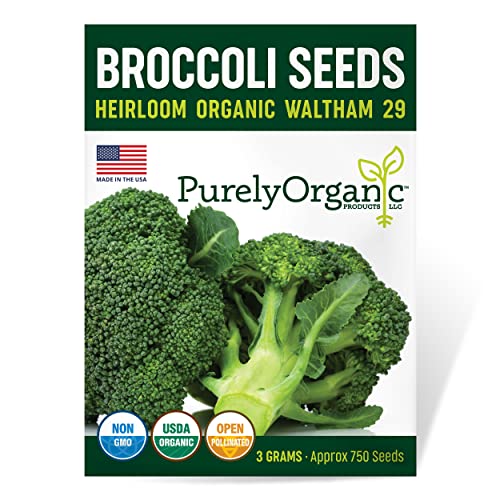
These seeds deliver classic Waltham 29 broccoli, a staple for many home gardens. They are non-GMO and USDA Organic, ensuring the seed stock carries organic certification and open-pollinated genetics essential for saving seeds in future seasons. Gardeners can expect firm, blue-green heads with good flavor and nutritious leaves and stems. For best results, harvest in the morning when buds are firm and tight, and plan to refrigerate or blanch to extend shelf life. The seeds are positioned for high germination and reliable returns year after year.
250 Broccoli Seeds for Planting Waltham 29

A sizeable packet of Waltham 29 seeds designed for robust growth in outdoor gardens. Buyers appreciate the heirloom, non-GMO profile and wide adaptability—from raised beds to containers and hydroponic systems. The variety is known for a rich, earthy flavor and firm texture, making it suitable for raw snacking or cooked dishes. For best timing, harvest before florets open, and consider companion planting with herbs, beets, or celery to optimize space and health of the bed.
Waltham 29 Broccoli Seeds – 500 Seed Non-GMO

This option provides a bulk packet intended for standard envelope delivery, making it easy to stock up for multiple seasons. With 500 seeds and a 74-day maturation window, it suits home gardeners planning steady harvests. The Waltham 29 variety remains a reliable favorite for climates across USDA zones 3-10, offering dependable yields in cooler springs and autumns when temperatures begin to drop.
Sow Right Seeds – Waltham 29

This packet emphasizes a robust heirloom line with strong germination and growth traits. It highlights that Waltham 29 develops 5-6 inch blue-green heads with abundant side shoots, offering a high yield potential. The product notes drought and cold tolerance, making it versatile for various seasons. Seeds typically germinate in 7-14 days at 70-75°F, and mature heads appear within 50-60 days under optimal conditions. It is a versatile choice for gardeners in USDA zones 3-10.
Gardeners Basics – Broccoli Seeds
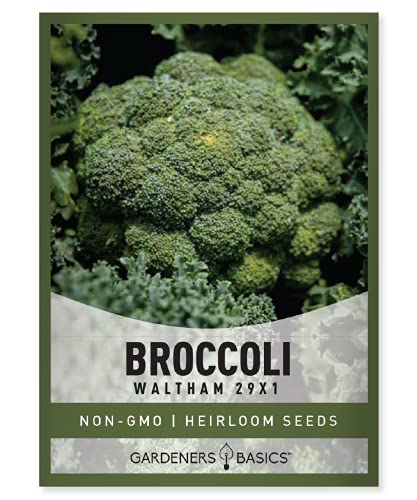
Gardeners Basics promotes a trusted, long-standing broccoli seed line that emphasizes heavy, dark green heads with rich flavor. The seeds are described as cold tolerant, expanding suitable planting windows into early spring, fall, and winter gardens. All seeds are described as USA-sourced, heirloom, open-pollinated, and non-GMO, aiming to deliver consistency while enabling seed-saving for future seasons. The product suits growers who want reliable performance in diverse climates and who value traditional varieties.
Buying Guide: Key Purchase Considerations For Broccoli Seeds
- Seed type and genetics: Non-GMO vs. open-pollinated vs. heirloom affect seed-saving and future crop consistency. Heirloom varieties like Waltham 29 are favored for flavor and adaptability, while non-GMO assurances appeal to buyers seeking specific certifications.
- Climate and season alignment: Cold-hardy and fall/winter varieties expand growing windows in cooler regions. Check your USDA zone and plan for succession planting to cover multiple harvest periods.
- Germination and maturity timelines: Shorter days-to-maturity can suit short growing seasons, while longer durations may yield bigger heads in favorable weather. Review packet instructions for ideal planting temps.
- Planting density and space: Spacing recommendations (often 4–6 inches apart) influence bed design, container viability, and air circulation to prevent disease.
- Harvest window and storage: Heads should be harvested when firm and before opening, with options to blanch and freeze to extend shelf life. Consider companion planting to protect and maximize yields.
- Seed quantity and budget: Bulk packets offer cost efficiency and seed-saving potential, while smaller packets are practical for trialing a new variety in a single season.
- Origin and certification: USA-origin seeds with Organic or Non-GMO labeling provide assurance of quality and align with domestic gardening preferences.
- Growing method flexibility: Some seeds are described as suitable for raised beds, containers, or hydroponics, supporting urban gardeners with limited space.
Across the five options, buyers can expect a mix of Waltham 29 heirloom genetics and practical, cold-tolerant, open-pollinated seeds. For best results, start with well-drained soil, full sun, and a consistent watering schedule. Rotating crops and enriching soil with compost will support strong heads and healthy foliage throughout the season.