Healthy lawns start with nutrient-dense soil. Bone meal is a slow-release phosphorus and calcium source that supports robust root systems and vibrant blooms for adjacent garden beds. This guide highlights five reputable bone meal products ideal for lawn care, with clear specifications to help you choose wisely for organic and sustainable lawn maintenance.
Summary of Selected Products
| Product | Brand | Formulation Notes | Best For |
|---|---|---|---|
| Espoma Organic Bone Meal Fertilizer 4-12-0 | Espoma | All-natural 4-12-0; long-lasting N, P, Ca | Bulbs, flowering plants, lawns |
| Burpee Bone Meal Fertilizer | Burpee | 2-14-0; slow-release for roots and blooms | New lawns, beds, bulbs |
| Jobe’s Organics Granular Bone Meal | Jobe’s Organics | 2-14-0; OMRI listed | Bulbs, tomatoes, flowering plants |
| Down To Earth Organic Bone Meal 3-15-0 | Down To Earth All Natural Fertilizers | 3-15-0; OMRI listed | Buds, bulbs, strong root growth |
| Dr. Earth Premium Bone Meal 3-15-0 | Dr. Earth | 3-15-0; premium root support | Lawns, ornamentals |
Espoma Organic Bone Meal Fertilizer 4-12-0
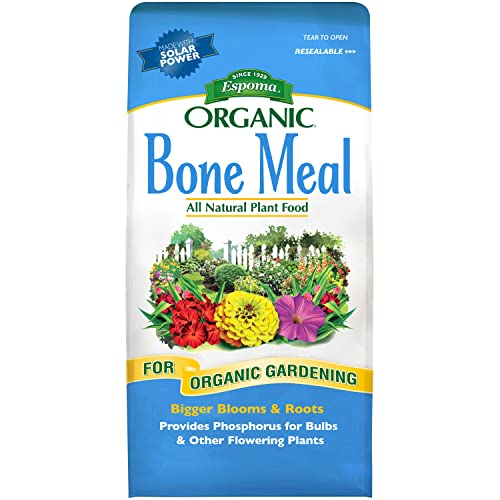
Espoma’s 4-12-0 bone meal provides a steady supply of phosphorus and calcium, supporting root development and long-term plant health. This all-natural option is designed for use with bulbs, flowering plants, and lawn care initiatives. Apply at planting or as a soil amendment to bolster nutrient availability and improve soil structure over time. The product emphasizes long-lasting nutrients without artificial fillers, making it a reliable choice for organic lawns.
Burpee Bone Meal Fertilizer

Burpee Bone Meal offers a strong root development profile with a 2-14-0 formulation, designed to feed roots gradually and promote early-season growth. This product is suitable for lawns, seed starting, and garden beds, supporting robust root systems that help grasses establish and resist drought stress. It’s a trusted option for homeowners seeking a slow-release, organic phosphorus and calcium source for lawn health.
Jobe’s Organics Granular Bone Meal

Jobe’s Organics bone meal is formulated with a 2-14-0 NPK ratio, providing essential nutrients for bulbs, flowering plants, and general lawn health. The OMRI listing confirms its suitability for organic gardening. The granules are designed to be mixed into soil or potting mixes and release nutrients gradually, supporting consistent growth and stronger root networks in lawn edges and perennial borders alike.
Down To Earth All Natural Fertilizers Organic Bone Meal – 3-15-0

Down To Earth’s 3-15-0 bone meal is an OMRI-listed organic option that emphasizes phosphorus and calcium delivery for flowering plants and bulbs. For lawns, it promotes strong root establishment, helps bulbs take to new soil, and supports early-season growth. Its responsibly sourced formula aims to minimize waste and runoff while delivering nutrients over time.
Dr. Earth Premium Bone Meal 3-15-0

Dr. Earth Premium Bone Meal offers a 3-15-0 profile designed to support robust root systems and flowering vigor. This product emphasizes natural nutrient delivery and is positioned for organic lawn care as well as ornamental planting. It’s suitable for homeowners seeking a straightforward, nutrient-dense bone meal option that aligns with sustainable lawn management practices.
Buying Guide: Key Considerations For Bone Meal On Lawns
- Phosphorus and calcium balance: Most bone meals emphasize phosphorus (P) and calcium (Ca); choose a formulation that aligns with your lawn’s growth stage—higher phosphorus is beneficial for root development and flowering in the spring.
- Organic certification: If you garden organically, prefer OMRI-listed products to ensure compliance with organic standards and minimize chemical concerns for pets and wildlife.
- Release rate: Slow-release bone meal provides nutrients over weeks to months, reducing the risk of nutrient burn and improving soil health in the long term. Quick-release options may deliver faster results but require more frequent applications.
- Soil testing: Consider testing your soil to tailor bone meal application to current nutrient levels. Lawns with phosphorus-rich soils may need less bone meal than phosphorus-deficient soils.
- Application method: Bone meal can be mixed into the soil at planting or top-dressed around established turf. Follow label instructions for timing and quantities to avoid over-application.
- Organic compatibility with lawn care: If you have pets or curious wildlife, ensure bone meal is applied in a way that minimizes exposure and aligns with your regional guidelines for lawn maintenance.
- Environmental impact: Slow-release formulations reduce leaching risk; select products with a transparent sourcing story and minimal synthetic additives to support sustainable lawn care.
- Compatibility with other amendments: Bone meal pairs well with compost, peat, and balanced granular fertilizers. Plan a feeding schedule that alternates nitrogen-rich products with phosphorus/calcium-focused feeds to promote a well-rounded lawn.
- Cost vs. value: While price matters, prioritize product purity, OMRI status (if organic), and release characteristics. A slightly higher-quality product may yield better long-term soil health and fewer applications.
- Safety and storage: Store bone meal in a dry, sealed container away from children and pets. Proper storage helps maintain nutrient integrity and reduces clumping or degradation over time.