Gardening with tomatoes can be challenged by blight and other leaf diseases. This article highlights effective, user-friendly sprays that help protect tomato plants and other vegetables. Each product below is evaluated for safety, ease of use, and disease coverage to support healthier yields without harsh chemicals.
| Product | Brand | Key Benefit |
|---|---|---|
| Earth’s Ally Disease Control for Plants | Earth’s Ally | Broad disease protection including blight; safe for people, pets, and the planet |
| Fung-onil Multi-Purpose Fungicide, 32 oz | Bonide | Broad-spectrum control of leaf spots, blight, mildew and more |
| Captain Jack’s Tomato & Vegetable Spray | Bonide | Insect and disease control for tomatoes and vegetables |
| Organic Protectant for Tomatoes & Vegetables | ARBER | 3-in-1 immunity, yield boost, and disease defense |
| Fertilome Fire Blight Spray | ferti-lome | Targets fire blight and related bacterial diseases |
When selecting a blight spray for tomatoes, consider spectrum of diseases covered, safety for edible gardens, ease of use, and whether you prefer organic or conventional options. The following sections profile five relevant products with essential details to help you compare quickly.
Earth’s Ally Disease Control For Plants

Product overview: Ready-to-use fungicide spray designed to treat and prevent plant diseases such as powdery mildew, downy mildew, blight, canker, black spot, and leaf spot. It serves as an all-in-one disease protection product and is positioned as a safer option for use around fruits, vegetables, flowers, and ornamentals. Features emphasize citric-acid-based formulation, pest-friendly safety, and minimal residue concerns.
Bonide Fung-onil Multi-Purpose Fungicide

Product overview: Ready-to-use spray containing chlorothalonil, a broad-spectrum fungicide that protects plants from leaf spot, rust, blight, mildew, scab mold, and other listed diseases. Designed for garden-wide use on listed fruits, vegetables, and ornamentals to prevent fungal infections and reduce disease spread.
Bonide Captain Jack’s Tomato & Vegetable Spray

Product overview: Ready-to-use spray focused on insect and disease control for tomatoes and vegetables. It targets a range of pests and fungal diseases, including black spot, powdery mildew, rust, scab, blight, and leaf spot. Early-season application is recommended for best results to protect crops as they develop.
Organic Protectant for Tomatoes & Vegetables – 16oz
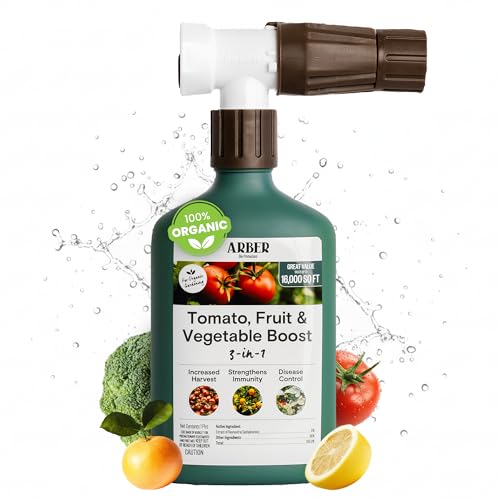
Product overview: 3-in-1 immunity and yield booster that helps defend against powdery mildew, blight, and rust while promoting growth. Uses a Bacillus-derived metabolite-based formula to prime plant defenses, improve nutrient uptake, and form protective barriers on leaves and roots. Packaged as a ready-to-spray solution for convenient application over large garden areas.
Fertilome Fire Blight Spray

Product overview: A bacterial disease-focused spray that targets fire blight and related bacterial wilt, stem rot, leaf spot, and crown gall. Contains Streptomycin Sulfate and is suitable for both indoor and outdoor use on a variety of plants. Emphasizes disease control for bacterial pathogens in addition to broader plant protection.
Buying Guide
- Spectrum of diseases covered: For tomato blight, prioritize products that explicitly list blight, leaf spot, and powdery mildew as covered diseases, or that provide broad-spectrum protection against fungal pathogens.
- Safety and suitability for edible gardens: If you grow edible crops, consider products marketed as safe for fruits and vegetables, with minimal harmful residues.
- Application method and timing: Ready-to-use sprays simplify application; apply early in the season or at first signs of disease for best results. Check label directions for frequency and coverage.
- Organic vs. conventional: Organic options may rely on biological or natural ingredients, while conventional products may use synthetic fungicides. Choose based on personal preference and crop needs.
- Impact on beneficials: Some products may impact beneficial insects; consider using targeted, site-specific applications and avoiding flowering plants when possible to protect pollinators.
- Resistance management: Rotate products with different active ingredients to reduce the risk of resistant fungal strains developing.
- Safety precautions: Follow PPE recommendations, especially for open containers or concentrates, and store products away from children and pets.