Choosing the right biodegradable pots can simplify seed starting and transplanting while supporting eco-friendly gardening. The following five products are among the top options for American home gardeners seeking root-friendly materials, proper drainage, and convenient labeling. Each option is designed to decompose in soil, reduce transplant shock, and enrich the garden bed as part of the growing cycle.
| Product | Brand | Size (approx.) | Key Benefit |
|---|---|---|---|
| Jolliance 4″ Peat Pots | Jolliance | 4 inches | 60 pots with labels; breathable and quick-degrading |
| JERIA 3.15″ Peat Pots | JERIA | 3.15 inches | Budget-friendly kit with 50 pots and labels |
| JNYONG 3.15″ Peat Pots | JNYONG | 3.15 inches | 60 pots with 50 labels; strong drain holes |
| KOAMLY 3″ Square Pots | KOAMLY | 3 inches | 150 pots with labels; square design for efficient tray use |
| DESKEMAI Peat Pots | DESKEMAI | 12-pack varieties | Drain holes; bulk starter option |
Jolliance 4” Peat Pots With Labels
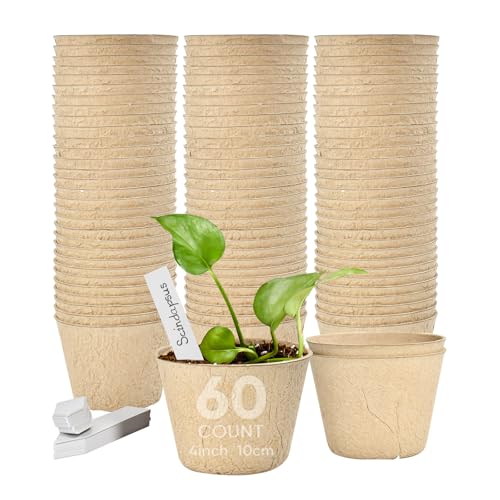
These Jolliance pots come in a pack of 60 with 60 plant labels, providing an all-in-one seed-starting solution. Each pot is 4 inches in diameter, offering ample space for roots while maintaining a compact tray footprint. The pots are molded from recycled pulp and binding agents, delivering a breathable environment that supports healthy root development. As plants mature, the pots biodegrade and become organic nutrients when planted in soil, helping reduce waste and soil disruption. This kit is ideal for starting flowers, herbs, and vegetables, especially when you need a ready-to-label system.
JERIA 50-Pack 3.15 Inch Peat Pots

The JERIA set includes 50 peat pots and 50 plant labels, with each pot measuring 3.15 inches. The design emphasizes biodegradability, with pots molded from recycled pulp and binding agents. These pots promote root health by providing a breathable environment, and they biodegrade quickly when planted or integrated into soil, becoming organic nutrients for your garden. Suitable for starting flowers, herbs, and vegetables, this kit is a practical option for small-scale seed starting and nursery work.
JNYONG 60 Packs 3.15 Inch Peat Pots

The JNYONG kit includes 60 peat pots and 50 plant labels, designed with 4 drain holes at the bottom to support drainage and aeration. The pots are 3.15 inches in diameter and crafted from recycled pulp and plant fibers, allowing rapid biodegradation when planted. The labeling helps gardeners track seed varieties and growth progress, making this kit suitable for starting a range of plants from flowers to vegetables. It combines practical drainage with a straightforward labeling system for organized seed starting.
KOAMLY 150 Pcs Square Peat Pots

KOAMLY offers a value-packed set of 150 square peat pots with 150 white labels. The square design helps maximize tray capacity and optimize space for germination and transplanting. Made from pulp and plant fibers, the pots are biodegradable and contribute to soil fertility as they break down. The included labels assist with seedling identification, which is particularly useful for more extensive seed-start projects or community garden plots where multiple varieties are grown side by side.
DESKEMAI Peat Pots With Drain Holes

DESKEMAI’s set features biodegradable pots designed for seed starting with a drainage system—small holes at the bottom provide airflow and prevent waterlogging. The pots are marketed as suitable for starting seedlings and transplanting them into larger containers or directly into the garden. The design emphasizes a bulk-friendly option for gardeners who want a reliable supply of biodegradable starter pots that align with sustainable gardening practices and minimize root disturbance during transplanting.
Buying Guide: Key Purchase Considerations
- Biodegradability pace: Look for pots that break down in soil at a rate that matches your planting schedule. Some varieties degrade quickly when planted, while others are designed to hold up longer in trays.
- Drainage and aeration: Pots with drainage holes improve root health and prevent root rot. Ensure the pot design includes sufficient drainage for your plant types.
- Size and tray compatibility: Choose sizes that fit your current seed-start trays and allow for easy transplanting. Square pots can maximize tray space, while round pots are versatile for many plants.
- Labeling: Including plant labels is helpful for tracking varieties, especially in mixed seed beds or community plots.
- Material source: Recycled pulp and plant fibers are common for biodegradable pots. Confirm that the materials are compostable or decomposable within your soil, and avoid pots with problematic additives if you’re concerned about sustainability.
- Seed suitability: Some pots are better suited for flowers, herbs, or vegetables. Consider the intended plant types and whether you’ll transplant directly into garden soil or into larger containers first.
- Bulk options: If you run a nursery or community garden, bulk sets may offer better value and reduce waste from packaging.
- Label permanence: If you need labeling that lasts through transplanting, look for moisture-resistant labels or consider labeling strategies that won’t degrade when the pots are planted.
- OMRI or organic compatibility: For organic gardening, verify whether pots are OMRI-listed or certified as appropriate for organic use if required by your practice.
Biodegradable pots provide a convenient bridge from seed starting to in-ground growth, supporting healthier root systems and minimizing soil disruption. The options listed here emphasize breathable materials, drainage, and practical labeling, delivering scalable choices for hobbyists and budding nurseries alike.