Bermuda grass pasture seed offers a heat-tolerant, drought-resistant option for American yards and pastures. This guide highlights select Bermuda seed blends designed for grazing, hay production, and durable turf. Each pick emphasizes establishment, cold tolerance, or wear resistance to suit Southern or transitional climates. Read on to compare varieties, usage guidelines, and key considerations to choose the right seed mix for your land and grazing needs.
| Product | Brand | Notes |
|---|---|---|
| O.M. Scott Bermudagrass Grass Seed | Scotts | 3-in-1 seed, fertilizer, and soil improver; drought-tolerant once established |
| SeedRanch Bermuda Grass Seed Coated/Hulled | SeedRanch | Warm-season perennial; recommended for new lawns and pastures |
| Outsidepride Forage Bermuda Seeds | Outsidepride | Perennial, drought-tolerant; multiple cuttings potential |
| Giant Bermuda Grass Seed (Coastal Bermuda Alternative) 5 lb | Dibbs Farms | Coastal Bermuda Alternative; great for hay and dense pasture |
| Pennington Bermudagrass Grass Seed 15 lb | Pennington | Thick, self-spreading; improved cold-tolerant varieties |
O.M. Scott Bermudagrass Seed: Dense, Drought-Tolerant Turf

The O.M. Scott and Sons Bermudagrass blend provides dense growth designed to endure extreme heat and drought once established. Formulated for hot Southern regions, it combines Bermuda seed with natural soil-friendly components to support establishment. It is free from artificial or pest-control additives, and is safe for use around people and pets when used as directed. This 5-pound package covers up to 2,000 square feet, making it a practical choice for mid-sized pastures or yard upgrades.
SeedRanch Bermuda Grass Seed Coated/Hulled
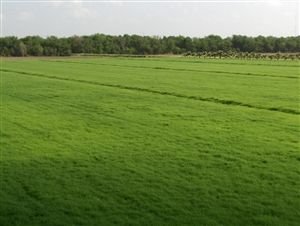
SeedRanch Bermuda Grass Seed is a warm-season perennial marketed for new lawns and pastures. The coating or hull indicates enhanced handling and potential germination efficiency. Application rates suggest 1–2 pounds per 1,000 square feet for new lawns and 25–50 pounds per acre for pasture establishment. It is positioned as a versatile option for transitioning from bare soil to a productive Bermuda stand, suitable for grazing and hay applications when properly managed.
Outsidepride Forage Bermuda Seeds

Outsidepride Forage Bermuda Seeds are designed for high-yield, drought-tolerant pasture production. They emphasize early spring growth and multiple cuttings every 4–6 weeks, supporting haying and rotational grazing. The Yellow Jacket seed coating enhances germination under limited irrigation, aiding establishment in diverse soil types and climates. This option is positioned for farmers and ranchers seeking rapid pasture development with efficient forage production.
Giant Bermuda Grass Seed (Coastal Bermuda Alternative) 5 lb

This Coastal Bermuda Alternative is marketed as a strong option for hay and dense pasture. A smaller 5-pound bag provides a versatile stake for establishing a resilient stand in warmer regions. It focuses on creating a hardy pasture suitable for grazing and hay production, contributing to a robust forage base for livestock.
Pennington Bermudagrass Grass Seed 15 lb

Pennington Bermudagrass Seed 15 lb emphasizes thick, self-spreading growth and improved cold tolerance across varieties. The seed blend is described as highly wear-resistant with a deep root system, making it suitable for active pastures and grazing fields that experience variable weather. It provides a practical pathway to long-term turf and forage resilience in warm-season climates.
Buying Guide
- Climate and region: Choose a variety suited to your typical temperatures, rainfall, and growing season length. Coastal and southern regions may favor drought-tolerant blends with faster establishment.
- Purpose: For grazing or hay production, prioritize forage yield, regrowth rate, and root depth. For lawns, look for wear tolerance and cold-hardiness.
- Germination and establishment: Some seeds feature advanced coatings to improve germination under limited irrigation. Consider seed coating if water access is a concern.
- Seed rate and coverage: Check recommended seeding rates per 1,000 square feet or per acre to ensure you purchase an amount adequate for your land.
- Soil preparation: Prepare the seedbed, test soil pH, and address compaction. Bermuda grasses establish best in well-drained soils with full sun.
- Management practices: Post-planting irrigation, mowing height, and rotational grazing schedules influence establishment success and long-term pasture health.
- Cold tolerance: Some Bermuda varieties handle cooler temperatures better; for regions with occasional cold snaps, select strains with improved cold tolerance.
- Non-chemical options: If avoiding artificial additives, verify labeling for artificial pesticides or fertilizers; many blends emphasize natural soil improvement and safe usage around people and pets.
- Cost and packaging: Larger bags may be more cost-effective for pastures; smaller bags are convenient for small projects or repair work.
- Environmental considerations: Choose seeds that align with sustainable grazing practices and hay production goals, ensuring minimal environmental impact over time.