Carpenter bees are solitary pollinators that enrich gardens and orchards, yet they can damage wooden structures if not managed wisely. The right bee house provides safe nesting habitats, supports biodiversity, and reduces nesting pressure on nearby wood. Below, you’ll find five top options that blend durability, natural materials, and accessibility for observing pollinators. Each product emphasizes weather resistance, easy maintenance, and practical placement in a home garden.
| Product | Brand | Key Benefit |
|---|---|---|
| TOOBEETT Mason Bee House Wax Coated | TOOBEETT | Weatherproof, long tubes for native solitary bees |
| Best Bee Brothers Ultimate Pro Carpenter Bee Trap | Best Bee Brothers | Outdoor pest management with a large external vault |
| BalterFF Bee Houses For The Garden | BalterFF | Handmade wood design with pre-drilled nesting holes |
| WildYard Bee House | WildYard | Weather-resistant, multi-size tunnels for biodiversity |
| POLLIBEE Mason Bee House | POLLIBEE | Waterproof, ready-to-use mason bee hotel |
TOOBEETT Mason Bee House Wax Coated
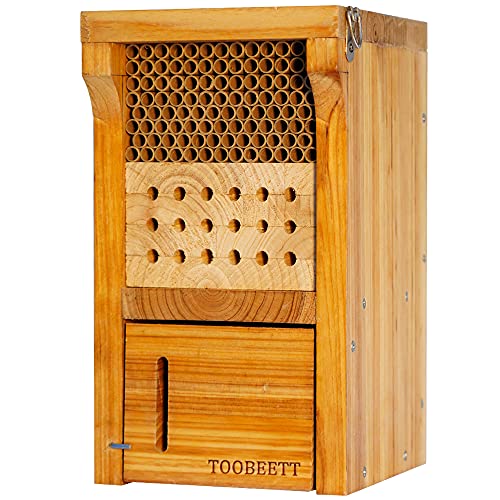
The TOOBEETT bee house is sized to support solitary native bees with long tubes measuring 5.9 inches in length and a 5/16 inch diameter, which aligns well with mason bees and similar species. Its wax-coated surface provides weather resistance, helping the unit endure seasonal exposure in outdoor environments. The wooden construction uses a solid frame with stainless steel hardware, offering durability and straightforward hanging or wall mounting. This design prioritizes a natural habitat while maintaining long-term usability for pollinators in residential gardens.
Best Bee Brothers Ultimate Pro Carpenter Bee Trap

This trap focuses on outdoor management by attracting and capturing carpenter bees with an integrated bee vault and bait mechanism. The external vault is notably large, enabling facility-wide monitoring from a distance. Its aerated design releases pheromones to draw bees toward the trap, which helps reduce nesting activity around wooden structures. The device offers a practical option for homeowners seeking a non-destructive approach to protect decks, sheds, and other timber fixtures while maintaining a visible, science-backed method of control.
BalterFF Bee Houses For The Garden
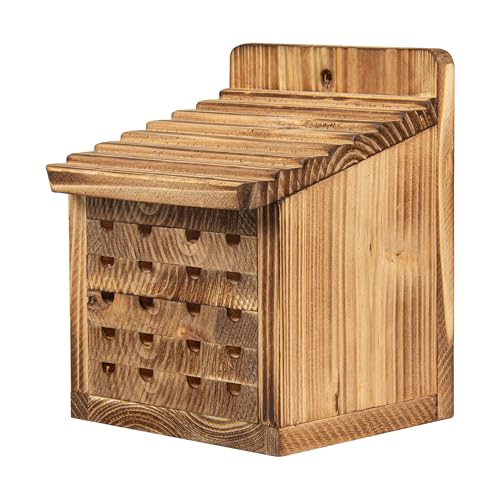
BalterFF emphasizes a handmade, solid wood design with pre-drilled holes to attract various nesting species, including carpenter bees and leafcutter bees. The overall dimensions (7.5 x 5.1 x 5.7 inches) suit garden corners and patios, while a detachable nesting frame simplifies cleaning and seasonal refreshes. The product aims to provide a durable, visually pleasing habitat that both supports pollination and remains approachable for family-friendly observation in backyards or woodland edges.
WildYard Bee House

The WildYard bee house focuses on weather resilience and biodiversity. It features multiple nesting tubes in varied sizes to attract a diverse set of solitary bees, including mason and leafcutter species. Made from sustainable wood, the unit provides a natural habitat that supports local pollinators while promoting an eco-friendly gardening approach. The design encourages easy installation in backyard spaces, making it suitable for both novice and experienced gardeners seeking to boost garden productivity through diverse pollinators.
Mason Bee House Native Bee Hive Hexagon

This hexagon mason bee house is an assembled, ready-to-use wooden nest designed to attract mason bees. It uses a solid pine frame with 90 nesting tubes included, plus a hanging rope and wall buckle for secure mounting. The angular, geometric design provides an attractive focal point in a garden while offering a robust nesting habitat. The unit supports pollination and can contribute to orchard and garden yields by accommodating a steady supply of mason bees.
Buying Guide: Key Considerations For Carpenter Bee Habitats
- Material and weather resistance: Look for solid wood with protective coatings or finishes, plus rust-resistant hardware to withstand rain and sun without warping or loosening over seasons.
- Nesting options: Multiple tube diameters and lengths broaden the range of species supported. Consider models with detachable frames for easy cleaning and replacement of tubes as needed.
- Maintenance and accessibility: A design that allows simple dismantling, cleaning, and seasonal refresh helps maintain bee health and nest hygiene.
- Placement and exposure: Position bee houses away from direct line-of-sight from common human activity and avoid areas prone to strong winds. Shade or partial sun is often optimal for many species.
- Observation and safety: Transparent viewing panels or clear tube access can enable safe, educational observation without disturbing nesting bees.
- Pollination benefits: Favor houses that attract mason bees and leafcutter bees, which are efficient pollinators for gardens, fruit trees, and flowering plants.
- Integrated pest management: Some products include external traps or deterrents to manage carpenter bees that drift toward structures, providing a balanced approach to pest control without harming pollinators.
Choosing the right bee house depends on local bee species, garden goals, and how you want to interact with pollinators. The options above reflect a range of priorities—from optimal nesting space and weatherproofing to observation-friendly designs. When installed thoughtfully, these bee houses can support a thriving pollinator ecosystem while protecting nearby wooden structures.