Carpenter bees can be both beneficial pollinators and occasional wood-damage concerns. A purpose-built bee house aimed at native solitary bees can provide safe nesting sites that help reduce nesting in wooden structures. This article highlights five well-made bee houses that suit outdoor spaces, focusing on durability, weather resistance, and accessibility for observing bee activity. Each product offers features designed to attract pollinators while promoting a healthier garden ecosystem.
| Product | Key Benefit | Notes |
|---|---|---|
| Best Bee Brothers Ultimate Pro Carpenter Bee Trap | Effective exterior protection | Large external vault, bait cup, pheromone lures |
| BalterFF Bee Houses | Pre-drilled holes for safe nesting | Detachable nesting frame for easy maintenance |
| WildYard Bee House | Varied tube sizes for diverse pollinators | Eco-friendly wood, weather resistant |
| POLLIBEE Mason Bee House | Waterproof, ready-to-use | Mason bee-focused, natural wood |
| Rivajam Native Bee Observatory | Viewing panel for life cycle | Wax-coated for weather protection |
Best Bee Brothers Ultimate Pro Carpenter Bee Trap

The Best Bee Brothers trap is designed to attract and trap carpenter bees with a plastic-lined internal Bee Vault, an extra-large external receptacle, and a spring-loaded door. The device covers up to a 15-foot radius, using a combination of pheromones and aeration to lure bees away from wooden structures. It is suited for outdoor use and aims to manage infestations while reducing potential damage to wood surfaces.
BalterFF Bee Houses For The Garden
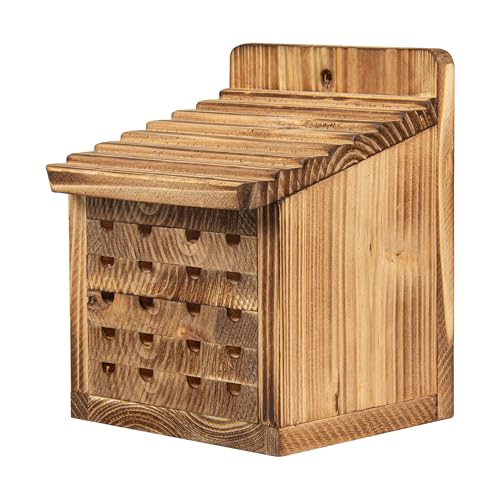
BalterFF offers handmade, solid wood bee houses with pre-drilled nesting holes designed to attract leafcutter and carpenter bees while remaining visually appealing in a backyard setting. The wooden nesting frame is detachable for easy cleaning and seasonal refreshment. Its durable construction supports long-term outdoor use and encourages pollinator activity in flower beds and vegetable plots.
WildYard Bee House

The WildYard Bee House is a weather-resistant wooden box designed to attract a range of pollinators, including solitary bees. It features nesting tubes of varying sizes to support diverse species and promotes a thriving garden ecosystem. Built from sustainable wood, it provides a natural habitat that supports ongoing pollinator activity in outdoor spaces.
POLLIBEE Mason Bee House

The Mason Bee House from POLLIBEE features a wax-coated, waterproof wooden design with about 90 nesting tubes plus hanging rope and a wall buckle. It is assembled and ready to use, crafted to attract mason bees and other peaceful pollinators while supporting garden productivity through enhanced pollination. The design emphasizes durability and ease of maintenance in outdoor settings.
Rivajam Native Bee Observatory

The Rivajam Native Bee Observatory combines visual access with functional nesting tubes and a viewing panel to watch bees’ life cycle. The wax coating adds weather protection, helping prolong the life of the wooden structure. This option is ideal for gardeners who value observation as part of their pollinator habitat, while still providing a practical nesting space for bees.
Buying Guide: Key Considerations for Carpenter Bee Habitats
- Habitat type: Choose a house designed for solitary bees (such as mason or leafcutter bees) to reduce competition with wood-boring carpenter bees and minimize structural damage.
- Material quality: Prefer solid wood with weather-resistant coatings (wax or wax-coated finishes) to extend outdoor life and resist moisture.
- Tube diameter and spacing: Ensure tubes vary to accommodate different bee species; typical diameters range from 5/16 inch and larger for mason and leafcutter bees.
- Maintenance: Look for detachable frames or easy cleaning features to refresh nesting sites each season and prevent mold or disease.
- Observation features: If you enjoy monitoring pollinators, consider models with viewing panels or accessible designs for safe inspection.
- Placement: Install in a sunny, sheltered spot with a clear flight path away from direct foot traffic and guitar-level noise that might stress bees.
- Protection: Weatherproof coatings and sturdy hardware help ensure durability across seasons, especially in climates with heavy rain or freezing temperatures.
- Ecological impact: Prioritize products that support biodiversity and sustainable beekeeping practices, avoiding setups that could encourage pests or pathogen buildup.
- Maintenance schedule: Plan seasonal inspections to clean nesting tubes, replace worn parts, and refresh entrances to sustain pollinator health.
- Usage intent: If the goal is to deter carpenter bees from woodwork, combine bee houses with physical barriers (e.g., painted or treated wood) and routine wood maintenance strategies.
These options provide varied approaches to supporting native pollinators while addressing carpenter bee concerns. By selecting durable, properly designed nesting houses and maintaining them regularly, gardeners can enjoy healthier gardens and observe fascinating pollinator behavior in a safe, controlled way.