Answering the need for convenient, pump-free spraying, these battery powered chemical sprayers deliver push-button operation, adjustable pressure, and guided reach for lawns, gardens, and small farms. They’re best for: DIY homeowners seeking easy spraying, landscapers covering large yards, and hobbyists tackling weed control without manual pumping. This guide highlights five top options, comparing battery life, comfort features, and nozzle versatility to help you choose the right sprayer for your tasks.
Summary of selected products
| Product | Capacity | Best For | |
|---|---|---|---|
| Scotts 2 Gallon Lithium-Ion Sprayer | 2 gal | Medium yards; frequent sprays | Rechargeable power, zero pumping |
| PetraTools HD4000 Battery Backpack Sprayer | 4 gal | Large lawns; continuous spraying | 6–8 hour battery life; padded straps |
| PetraTools HD2000-S 2 Gallon | 2 gal | Home gardens; weed control | 2-hour runtime; rechargeable battery & charger |
| Giftsfaloy 2 Gallon Sprayer (USB) | 2 gal | Delicate plants; portable sprays | USB recharge; 3 nozzle options |
| SideKing 2 Gallon Sprayer | 2 gal | Overgrown yards; weed control | 3 adjustable pressures; real-time battery indicator |
Scotts 2 Gallon Lithium-Ion Sprayer
< figure>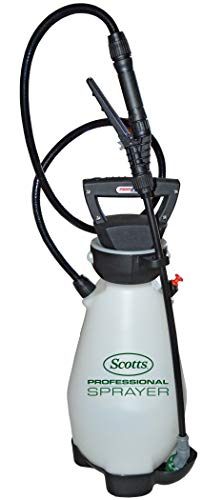
Best for: homeowners with medium-sized lawns who want a reliable, light sprayer with easy recharging. This model uses Zero Technology to reduce pump effort and offers up to about 12 full tanks per charge. The premium shut-off with a comfortable grip and inline filter enhances reliability and ease of cleaning. A potential limitation is the 2-gallon capacity, which may require refills on larger properties.
PetraTools HD4000 Battery Powered Backpack Sprayer
< figure>
Best for: professionals or homeowners with large landscape projects who need extended runtime. The HD4000 runs approximately 6–8 hours per charge and offers a padded, comfortable fit with a 4-gallon tank. It’s suited for continuous spraying with reduced hand fatigue, thanks to a backpack design and long-life battery. Limitation: heavier weight when fully filled may affect maneuverability for smaller users.
PetraTools Battery Powered Sprayer 2 Gallon – HD2000-S
< figure>
Best for: budget-conscious homeowners who want a ready-to-use electric sprayer with a rechargeable battery. The HD2000-S includes a 12V rechargeable battery and a charger, delivering around 2 hours of continuous use. It provides a compact option with decent reach and a comfortable grip, though its capacity limits may require more frequent refills for larger jobs.
Giftsfaloy 2 Gallon Battery Sprayer
< figure>
Best for: gardeners seeking a lightweight, USB-rechargeable sprayer with multiple spray options. This model offers 3 mist/nozzle modes and a transparent tank for monitoring solution levels. A potential caveat is that USB charging may be slower than an included dedicated charger for some users, and it may be best for smaller to mid-size tasks.
SideKing 2 Gallon Battery Powered Sprayer
< figure>
Best for: property owners with larger weed control or fertilization needs who want adjustable pressure and a quick-warming motor. The 3 pressure settings and a real-time battery indicator help manage energy usage, and the 4-nozzle kit supports versatile applications. Limitation: the listed 2-gallon capacity may require more frequent refills on large properties or during heavy spraying sessions.
Buying Guide: How To Pick Your Battery Powered Sprayer
What capacity do you need?
2-gallon sprayers are light and easy for small to medium yards. 4-gallon backpacks are better for large areas and continuous spraying. Choose capacity based on your property size and how often you’re willing to refill.
How long will the battery last?
Look for runtime estimates per charge. Urban or small-yard tasks can be completed with shorter runtimes, while lawn-service style jobs benefit from 4-gallon backpacks with longer battery life. Consider models with clear battery indicators to avoid mid-task power loss.
What nozzle options matter?
Multiple nozzles (mist, fan, jet) enable delicate plant care and dense weed control. A telescoping wand helps reach high branches or tall plantings without bending or straining.
Is comfort a priority?
Ergonomic grips, padded straps, and balanced weight distribution reduce fatigue on extended projects. Backpack designs spread weight across your shoulders and back, which is ideal for long spraying sessions.
Also consider compatibility and maintenance
Some models offer compatibility with standard batteries or tool-only configurations. Check cleaning options, filters, and availability of replacement parts to keep the sprayer functioning over time.
Summary of practical picks
- Best for balance of weight and performance: Scotts 2 Gallon Lithium-Ion Sprayer
- Best for large properties: PetraTools HD4000 Backpack Sprayer
- Best compact option: PetraTools HD2000-S 2 Gallon
- Best value with USB recharge: Giftsfaloy 2 Gallon Sprayer
- Best for adjustable control: SideKing 2 Gallon Sprayer
Frequently Asked Questions
- Do battery sprayers require specific chemicals?
Follow the chemical manufacturer’s guidelines and the sprayer’s compatibility notes to avoid damage or safety issues. - Can I use these sprayers indoors?
They are designed for outdoor use on lawns and gardens; use only approved outdoor solutions and ensure good ventilation if used near structures. - How long does the battery typically last per charge?
Runtime varies by model and spray setting; check the manufacturer’s spec sheet for approximate hours per charge. - Is a pump-free sprayer better than manual pumps?
For most tasks, battery-powered sprayers reduce hand fatigue and enable consistent spray patterns across larger areas. - What maintenance is required?
Regularly clean filters, inspect seals, and rinse with water after use to prevent clogs and ensure longevity. - Are these sprayers suitable for pesticide use?
Yes, but always follow label directions and use protective gear as recommended by the chemical manufacturer.