Growing a bare root plum tree can be an economical way to add fresh fruit to your yard. Bare root trees ship without soil around the roots, so proper planting and immediate care are essential for strong establishment. Below you’ll find a curated selection of bare root plum trees and related fruit varieties. Each entry highlights what to expect, ideal growing conditions, and why it’s a solid choice for American gardeners.
| Product | Main Benefit |
|---|---|
| Methley Plum Tree Bareroot Saplings (2) | Two self-pollinating trees with clear planting instructions |
| Blue Damson Plum Dormant Starter Bare Root | Dormant starter for early-season planting in restricted regions |
| 2 Damson Blue Plum Trees (Bare Root) | Two established bare root trees for faster fruit production |
| 2 Sweet American Plum Tree Seedling | Ready-to-plant, thornless seedlings with fruit potential |
| Japanese Burbank Plum Tree (Bare Root) | Live, ready-to-plant plum variety for immediate establishment |
Note: The listed products are selected for bare root suitability, adaptability to several USDA zones, and the typical demand among home gardeners seeking reliable fruit production with manageable care requirements. Always check local shipping restrictions and zone compatibility before purchasing.
Methley Plum Tree Bareroot Saplings

Methley plum trees offer a straightforward growing path for home orchards. Each order includes two bare root saplings, sized 12-18 inches tall, with detailed planting instructions to guide initial setup. These trees are self-pollinating, meaning you can achieve fruit production without a second plum variety for cross-pollination. In terms of growth, Methley plums typically display sweet fruit as they mature, with a robust flavor that suits fresh eating and preserves. Planting requires full sun and well-draining soil for best results, and the trees are suited to a broad range of climates—from cooler northern regions to warmer southern zones. Gardeners should monitor moisture levels, especially during establishment, to prevent transplant shock. This option is a practical choice for gardeners seeking multiple specimens to establish a productive small orchard.
Key considerations:
– Planting package includes two bare root saplings with explicit instructions.
– Self-pollinating, reducing the need for a companion plum variety.
– Suitable for USDA zones 4–9 with full sun and well-drained soil.
– Expect a window for splash of color and fruit in subsequent seasons after establishment.
Blue Damson Plum Dormant Starter Bare Root
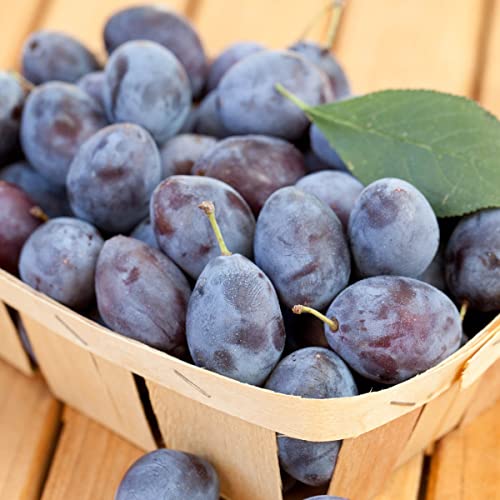
This dormant starter represents a compact, ready-to-plant option for plum enthusiasts. The listing offers a single dormant bare root tree ranging from two to four feet in height, with the added practicality of a straightforward planting approach. When preparing the site, space plants approximately 20 to 25 feet apart to allow full canopy development and air circulation, which helps disease prevention and fruit quality. Damson plums are prized for their tart-sweet flavor profile, ideal for jams, baking, and fresh eating. Climate compatibility plays a role; ensure your region aligns with the tree’s hardiness range and winter chill requirements. This option can fit larger garden plots or orchard corners where established spacing is feasible.
Key considerations:
– Dormant bare root status supports long-transport resilience and rehydration during planting.
– Spacing guidance helps ensure optimal growth and yield.
– Suitable for regions that accommodate Damson plum cultivation and similar chill requirements.
2 Damson Blue Plum Trees (Bare Root)

This option provides two damson blue plum trees offered as bare root specimens, making them suitable for immediate planting in a home garden or orchard. Each tree typically arrives in a 2-3 foot tall range, providing a more established start compared to ultra-young seedlings. The Damson plum variety is known for its blue-purple fruit and tart, rich flavor that excels in preserves, baking, jams, and fresh snacking. For best results, gardeners should select a sunny site with well-draining soil and plan for spacing that accommodates growth and air movement. Regular pruning and consistent moisture during the first growing seasons will support strong establishment and fruit set across several years.
Key considerations:
– Two bare root trees offer a more efficient path to early fruiting compared to single-plant options.
– Damson plums deliver a distinctive flavor profile suitable for multiple culinary uses.
– Adequate sun exposure and soil drainage are essential for success.
2 Sweet American Plum Tree Seedling

These two healthy, ready-to-plant sweet American plum tree seedlings offer a convenient way to establish a productive mini-orchard. The seedlings are described as thornless with large fruit, making them suitable for cultivation as bonsai or standard outdoor trees. The promise of home-grown plums supports a rewarding experience, from planting to harvest. In terms of fruit, these trees are positioned for delicious, versatile uses—from fresh eating to jams and desserts. Gardeners should ensure full sun and fertile, well-drained soil for root establishment. The thornless trait can simplify handling, especially in smaller spaces or near pathways.
Key considerations:
– Ready-to-plant seedlings reduce waiting time after receipt.
– Thornless varieties ease maintenance and handling.
– Suitable for container growing or standard outdoor planting.
– Fruit versatility supports multiple culinary applications.
Japanese Burbank Plum Tree, Bare Root

The Japanese Burbank plum tree offers a bare root option intended for immediate planting. As a live, ready-to-plant variety, it provides a straightforward avenue for gardeners seeking to add plum fruit to their landscape with minimal pre-growth preparation. Bare root trees require careful rehydration and steady moisture during the initial weeks after planting. Planting location should receive full sun to promote robust growth, with well-draining soil to prevent root rot. While the exact fruit characteristics can vary by cultivar, Japanese Burbank types generally emphasize reliable fruiting with manageable tree size, making them suitable for home gardens and smaller orchard spaces.
Buying Guide: Bare Root Plum Trees And What To Consider
- Climate compatibility: Check your USDA hardiness zone and chill hour requirements for each variety. Plum trees have diverse tolerances, and selecting a cultivar aligned with your winter lows helps ensure good fruit set.
- Pollination needs: Some plum trees are self-pollinating, while others benefit from cross-pollination. For small spaces or limited plant counts, self-pollinating varieties can simplify planning.
- Root health and handling: Bare root trees should arrive moist but not waterlogged. Inspect for healthy, well-formed roots and a sturdy stem. Soak roots in water briefly before planting if needed.
- Site selection: Choose a sunny location with well-draining soil. Plum trees require full sun for best fruit production and disease resistance. Avoid low-lying areas prone to frost pockets or excess moisture.
- Spacing and canopy management: Plan spacing according to cultivar size; most plum trees prefer 12–25 feet of space, depending on whether they’re dwarf, semi-dwarf, or standard sizes. Pruning in the first years supports strong structure and airflow.
- Watering and establishment: Provide consistent moisture during establishment, then adjust to the plant’s needs. Mulching helps retain soil moisture and regulate soil temperature but avoid piling mulch against the trunk.
- Soil fertility: Plum trees benefit from balanced nutrients. A soil test can guide amendments, and a base layer of organic matter improves soil structure and drainage, especially in heavier soils.
- Pest and disease awareness: Common plums can be susceptible to brown rot, aphids, and plum curculio. Implement preventive measures, such as proper pruning for airflow, timely thinning, and, if needed, labeled treatments that are safe for edible crops.
- Maintenance considerations: Regular pruning, thinning for fruit size, and seasonal checks help maintain tree vigor and fruit quality. Bare root trees may take a growing season to acclimate; expect a period of establishment before consistent fruiting.
- Regional availability: Some varieties may be restricted in certain states due to shipping or agricultural regulations. Always verify eligibility and any local advisories before purchasing.
These considerations help buyers compare options and select bare root plum trees that fit their garden size, climate, and fruit preferences. When planning, balance immediate planting with long-term care, and consider pairing trees with compatible fruit varieties to support cross-pollination where needed. The right combination yields consistent fruit production and a thriving home orchard over time.