Answer: If you’re seeking a delicate, low-growing ground cover plant that resembles tiny moss and works well in terrariums, indoor containers, or as a foliage filler, Baby Tears varieties are a strong choice. These plants are best for small spaces, shaded to partial sun locations, and hobby setups like terrariums or container gardens. The top five options below are selected for easy care, compact habit, and versatility in indoor environments. Summary table follows the product sections to help you compare at a glance.
- Baby Tears Plant in 2-Inch Pot – Lush, Delicate Groundcover for Indoors or Terrariums — Best for ultra-miniature displays and terrarium setups
- Potted Dwarf Baby Tears Aquarium Live Plant — Best for freshwater aquariums and natural aquarium habitats
- Nettle ‘Baby’s Tear’ Live Plant for Indoor — Best for living room or office greenery with trailing texture
- Nettle ‘Baby’s Tear’ in 4in Pot — Best for small indoor spaces and easy care container plant
- Pilea depressa ‘Baby Tears’ — Best for hanging baskets and moist soil lovers
Product quick reference table
| Product | Best For | Notes |
|---|---|---|
| Baby Tears Plant in 2-Inch Pot | Terrariums and indoor ground cover | Compact; delicate foliage |
| Potted Dwarf Baby Tears Aquarium Live Plant | Freshwater aquariums | 2-inch pot; aquarium-safe |
| Nettle ‘Baby’s Tear’ Live Plant Indoor | Living room/office greenery | Trailing, moss-like appearance |
| Nettle ‘Baby’s Tear’ 4in Pot | Small indoor spaces | USA-grown option |
| Pilea depressa ‘Baby Tears’ | Hanging baskets | Moist soil; good for bright indirect light |
Baby Tears Plant in 2-Inch Pot

Best for ultra-miniature terrarium displays and tiny indoor setups. This 2-inch pot delivers compact foliage that helps simulate mossy ground cover without bulk.
Best for: beginners and container terrarium hobbyists seeking a delicate, low-maintenance accent plant.
Caution: Handle gently to avoid crushing the slender stems; keep out of direct, harsh sunlight to prevent leaf scorch.
Potted Dwarf Baby Tears Aquarium Live Plant

Best for freshwater aquariums that aim for a natural, low-growing foreground or carpeting effect. The dwarf Baby Tears adapts to standard tank lighting and water conditions typical of many community aquariums.
- Best for: aquarium hobbyists building lush, natural habitat zones for small fish and invertebrates.
- Why selected: 2-inch pot provides quick coverage, and the plant’s compact form supports easy tank landscaping.
- Caution: Temperature sensitivity noted; avoid extreme heat or cold to reduce stress on plants during shipping and acclimation.
Nettle ‘Baby’s Tear’ Live Plant Indoor
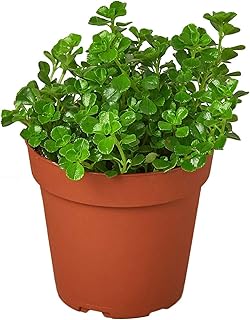
Best for living room, office, or desk spaces where a moss-like trailing texture adds visual softness. This plant’s dense green leaves form a lush mat that’s easy to incorporate into decor.
- Best for: indoor gardeners seeking a low-profile plant with trailing stems and a mossy look.
- Why selected: Dense foliage creates a natural filler for shelves, terrariums, and low-light corners.
- Caution: May spread quickly; trim as needed to maintain desired shape and prevent overcrowding in smaller containers.
Nettle ‘Baby’s Tear’ 4in Pot

Best for filling larger indoor spaces or as a focal trailing ground cover in mixed pots. The 4-inch pot offers more substantial growth and canopy in a short period.
- Best for: filling planters or rock gardens indoors with evergreen, trailing character.
- Why selected: USA-grown option supports local horticulture while delivering robust growth potential indoors.
- Caution: Prefers stable moisture; avoid consistently soggy soil which can lead to root issues.
Pilea depressa ‘Baby Tears’

Best for hanging baskets and moist soil lovers. Pilea depressa offers a compact, trailing habit that can soften the edges of containers and shelves.
- Best for: indoor spaces with indirect light where a trailing mat-like plant can drape over edges.
- Why selected: Looks great in hanging baskets and requires moderate light with consistent moisture.
- Caution: Ensure drainage and avoid overwatering to prevent root rot in tight containers.
Buying Guide: Baby Tears Ground Cover Plants
What should you consider before buying Baby Tears ground cover?
- Intended setting: Terrarium, aquarium, or indoor potting? Some varieties suit aquatic environments, while others excel as desk greenery or hanging accents.
- Light and temperature: Baby Tears generally prefer bright, indirect light and moderate temperatures. Extreme heat or cold can stress the plants.
- Moisture needs: Most Baby Tears varieties thrive with consistent moisture but avoid standing water in containers. In tanks, ensure compatible water conditions.
- Growth habit: Trailing vs. mat-forming vs. ground-hugging—choose based on space and aesthetic goals.
- Container size: Start small with 2-inch pots to evaluate growth, then move up to 4-inch pots if a fuller display is desired.
Practical buying questions
- What is the best Baby Tears for terrariums? The 2-inch pot version is ideal for compact terrariums due to its tiny, delicate leaves.
- Which option works well in aquariums? The Potted Dwarf Baby Tears Aquarium Live Plant is designed for freshwater tanks and natural habitat creation.
- Can Baby Tears be used indoors without direct sun? Yes, several varieties tolerate low to moderate light, offering flexibility for indoor spaces.
- Are Baby Tears suitable for beginners? Yes, many selections are low maintenance, but all benefit from stable moisture and avoidance of extreme temperatures.
- Do Baby Tears require fertilizer? They generally do not require heavy feeding; light, balanced fertilizer can support steady growth if the plant shows slower vigor.
Quick comparison by use case
| Use Case | Best Variety | Why |
|---|---|---|
| Terrarium foreground | Baby Tears Plant in 2-Inch Pot | Ultra-compact and delicate appearance |
| Aquarium carpeting | Potted Dwarf Baby Tears Aquarium Live Plant | Specifically suited for tank environments |
| Indoor trailing display | Nettle ‘Baby’s Tear’ Live Plant Indoor | Dense trailing moss-like foliage |
| Small spaces | Nettle ‘Baby’s Tear’ 4in Pot | More growth potential in a compact pot |
| Hanging baskets | Pilea depressa ‘Baby Tears’ | Trailing habit ideal for edge draping |
FAQ
- Q: Are these plants toxic to pets? A: Most Baby Tears varieties are not widely listed as highly toxic, but always supervise curious pets and consult a vet for concerns.
- Q: Do they need special soil? A: Indoor varieties typically prefer well-draining potting mix; aquatic varieties live in water or water-wet substrates in tanks.
- Q: How often should I water? A: Maintain evenly moist soil for terrestrial varieties but avoid waterlogged conditions; aquarium plants rely on tank water conditions.
- Q: Can they be pruned? A: Yes, light trimming helps maintain shape and encourages dense growth, especially in trailing varieties.
- Q: Do they require fertilizer? A: Light fertilization is usually sufficient; avoid overfeeding to prevent algae growth in tanks and salt buildup in pots.