Automatic plant watering systems simplify plant care by delivering precise hydration on schedule. This guide highlights five reliable options to keep up to 15–20 potted plants thriving, whether you’re home or away. Each pick emphasizes water efficiency, ease of programming, and dependable performance across indoor environments like patios, balconies, and greenhouses. Explore how these systems can reduce watering guesswork and protect your greenery during vacations or busy workweeks.
| Product | Brand | Capacity | Key Benefit |
|---|---|---|---|
| Automatic Plant Waterer Indoor Self Watering System | beday | Up to 15 pots | Smart humidity detection and programmable timer |
| RAINPOINT Large Display Automatic Plant Waterer | RAINPOINT | Up to 20 pots | Cycle & soak mode for efficient watering |
| [2025 Upgraded] Automatic Watering System | moistenland | 15 pots | Customizable schedules with water savings |
| Automatic Watering System for 15 Potted Plants | Generic | 15 pots | Adjustable flow and dual power |
| Chtoocy Automatic Plant Waterer | Chtoocy | Up to 30 pots | Dual-pump zone control |
Note: All products support programmable timers, with different approaches to power (battery, USB, solar) and water management (cycle time, flow control, and soil moisture integration). The selections below focus on reliability, user-friendly setup, and suitability for typical American homes and apartments.
Beday Automatic Plant Waterer For 15 Pots

The Butler-grade watering system from Beday provides precise hydration to up to 15 pots, delivering stable water pressure even to distant plants. Users can set a program before travel, and the system automatically waters on schedule during days ahead. This value-oriented kit emphasizes reliability for households with multiple indoor or balcony plants, reducing manual checks while away from home.
Key ideas: robust flow to multiple pots, low-maintenance scheduling, and a seamless return to a thriving indoor garden. The design is suited to busy owners who want dependable, automated care without constant adjustments.
Rainpoint Large Display Automatic Plant Waterer
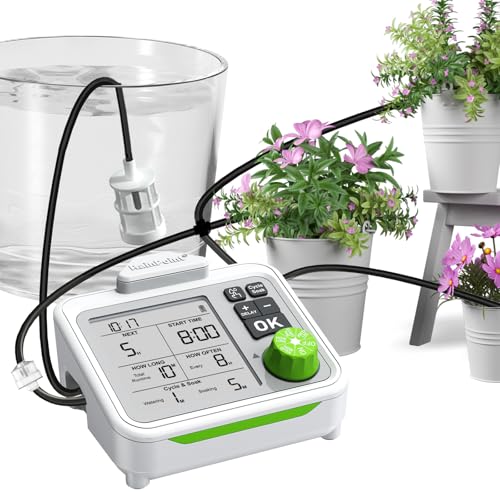
Rainpoint’s system emphasizes cycle-and-soak irrigation to save water while improving soil saturation. It supports up to 20 pots and offers a broad range of watering frequencies—from several hours to once a month. The easy programming, combined with a delay feature, helps accommodate varying plant needs and schedules. A digital display makes it straightforward to monitor and adjust settings as seasons change.
Moistenland 15-Pot Automatic Watering System

This 2025 upgrade offers customizable watering schedules with an internal clock, enabling precise timing even when away. Moistenland emphasizes root-zone delivery, helping reduce water waste while minimizing overwatering risk. The system claims notable water savings versus traditional methods, making it suitable for water-conscious households and fluctuating climate conditions.
Generic Automatic Drip Irrigation Kit (15 Pots)

Offering adjustable flow and both manual and automatic modes, this kit lets you set a start time, duration, and watering frequency. The drip heads deliver water directly to plant roots, improving efficiency. A dual power supply option (Type-C and AA batteries) provides resilience during outages, ensuring schedules stay intact even when power is inconsistent.
Chtoocy 30-Pot Automatic Plant Waterer
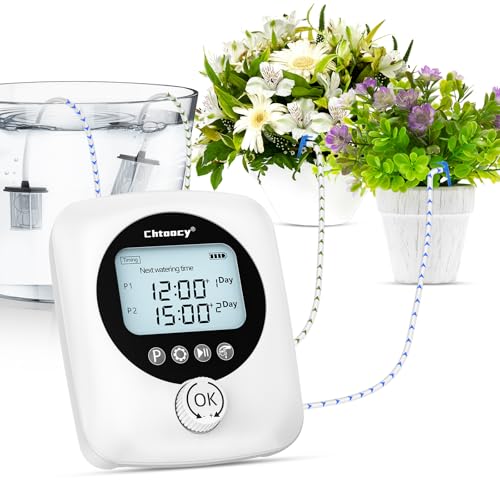
Chtoocy’s system stands out with dual-pump zone control, enabling independent watering across up to 30 pots. Programmable schedules, flexible frequency (from hours to days), and a high flow rate ensure larger plant collections are watered evenly. The ability to tailor both zones helps maintain consistent moisture across varied plant types and pot sizes, making it a strong choice for multi-zone indoor setups.
RAINPOINT Smart Dual-Control Watering System
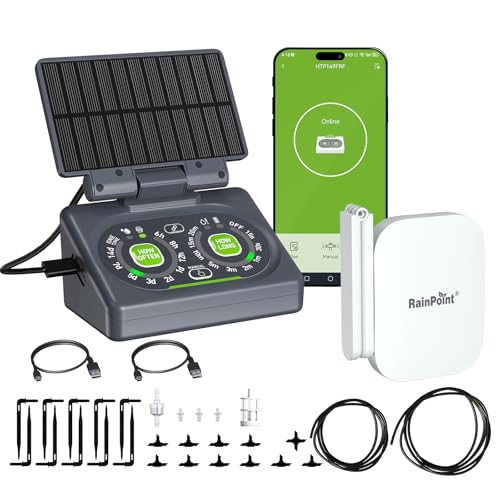
RAINPOINT’s smart system blends local control with optional app connectivity. It supports solar charging and USB power, broadening placement options for balconies, greenhouses, and grow tents. The system distributes water evenly with anti-backflow protections and aims to minimize distribution deviations caused by siphoning. This model is well suited for tech-friendly homes seeking remote management and energy flexibility.
Buying Guide: Key Considerations For Choosing An Automatic Plant Watering System
- Plant count and placement: Choose a model that supports your number of pots and layout (single-row balcony, multi-zone greenhouse, or large indoor garden).
- Water delivery method: Drip emitters delivering to root zones tend to reduce waste; cycle-and-soak modes help ensure even saturation, especially for compact soils.
- Power and reliability: Consider power options (battery, USB, solar) and backup capabilities to prevent interruptions during outages or extended travel.
- Programming flexibility: Look for adjustable start times, durations, and frequencies; internal clocks are helpful for automatic scheduling across seasons.
- Soil and plant needs: Some systems offer soil moisture monitoring, humidity detection, or manual delays to adapt to different plant species and pot sizes.
- Water efficiency features: Features like anti-backflow valves, soil-delivery targeting, and cycle-and-soak can reduce waste and protect plant health.
- Durability and weather resistance: IP ratings and weatherproof components are important for balcony or outdoor installations exposed to moisture.
- Ease of setup: A straightforward installation with clear instructions saves time and reduces the risk of leaks or misconfigurations.
Across these options, buyers should balance capacity, control granularity, and power resilience. For households with diverse plant collections, systems offering multi-zone control and app-enabled remote management provide the most flexibility. For travelers or busy homeowners, reliable scheduling, soil-focused watering, and robust back-up power can prevent underwatering or overwatering.