Answering the question: for growing indoor plants, a full-spectrum LED grow light with UV and a reliable timer is essential. These options are best for dedicated plant growers, hobbyists with limited sun exposure, and households needing consistent light cycles while away. The selections below cover different setups—from compact clip-on lamps to taller, adjustable options—so you can pick the best fit for seed starting, houseplants, or flowering plants.
| Product | Strengths | Best For |
|---|---|---|
| Sonamindary LED Grow Light | Full spectrum with white, red, blue LEDs; 5 brightness levels; 4/8/12/18 hour timers; auto on/off | Small to medium indoor plant collections; busy plant lovers seeking automation |
| Juhefa Grow Light | 6000K daylight spectrum; high color rendering; 5 dimming levels; auto timer | Seedlings, herbs, succulents; users wanting high color accuracy |
| yadoker Plant Grow Light | Full spectrum 380–800nm; height adjustable up to 61″; eco-friendly bamboo design | Large plants and tall specimens needing broad coverage |
| GYTF Halo Plant Grow Light | 6000K white LED with timer; adjustable height; 180° rotatable | Compact apartments and desks with flexible positioning |
| GooingTop LED Grow Light | 6000K full spectrum; 10 dimming modes; timer with 4/8/12 hours; gooseneck clamp | Versatile indoor setups; reading-friendly growth lighting |
Sonamindary Clip-On Full Spectrum Grow Light

Overview: This single-head clip-on grow light delivers a full-spectrum mix with 60 LEDs (48 white, 8 red, 4 blue). It supports seedling through bloom with a balanced daylight feel. Designed for compact setups like windowsills or small shelves.
Best for: busy indoor gardeners with a small plant collection who need simple setup and reliable daily operation. The 5 brightness levels help tailor intensity for different growth stages, while the 4/8/12/18 hour timers automate light cycles to align with plant needs and daily routines.
Why selected: Its simple clip form and auto timer create an approachable starter solution that covers essential growth requirements without extra hardware. The light’s CRI≥85 offers natural color perception for plant care tasks and reading nearby.
Limitations: This unit is a single-head design, so larger plant setups may require additional lights for uniform coverage over many plants.
Juhefa 6000K Full Spectrum Grow Light
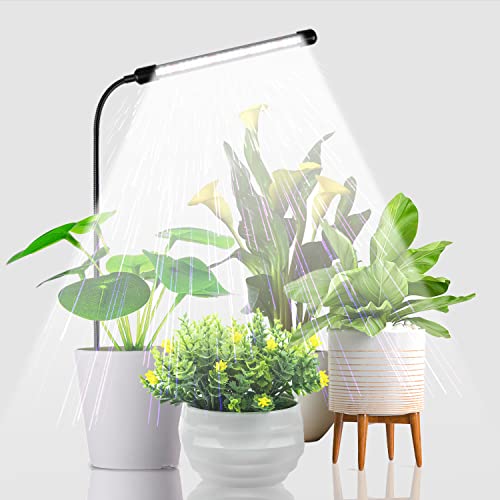
Overview: Juhefa offers a compact gooseneck lamp with 6000K daylight spectrum. It includes a mix of white and red LEDs to support general plant growth while also functioning as a reading lamp thanks to high color rendering.
Best for: individuals growing herbs, seedlings, or small potted plants who want a straightforward, highly adjustable light source with a strong emphasis on even color rendering for plant health checks.
Why selected: The high CRI (up to 95%) helps users monitor true plant color and health, which can be valuable for adjusting feeding or pruning. The 5-dimming levels help fine-tune photosynthesis across plant types.
Limitations: The kit’s focus is more on single-plant use cases; larger collections may benefit from a multi-head design to prevent shadows and ensure even coverage.
GYTF Halo 6000K Full Spectrum Grow Lamp

Overview: This light uses 12+6+36 LED arrangement for a full spectrum similar to natural daylight, designed for small potted plants, succulents, and mini bonsai. A stand-alone, height-adjustable design makes placement flexible.
Best for: gardeners who want a compact, adjustable light with a reliable auto-timer and easy height changes to accommodate growing plants at different stages.
Why selected: The adjustable stand and 180° rotatable head provide flexible lighting angles, which helps reduce hotspots and evenly cover multiple plant shapes within a small area.
Limitations: It is a compact model; very large plants or dense planting beds may require additional lighting to ensure uniform coverage.
GooingTop LED Grow Light with Gooseneck Clamp
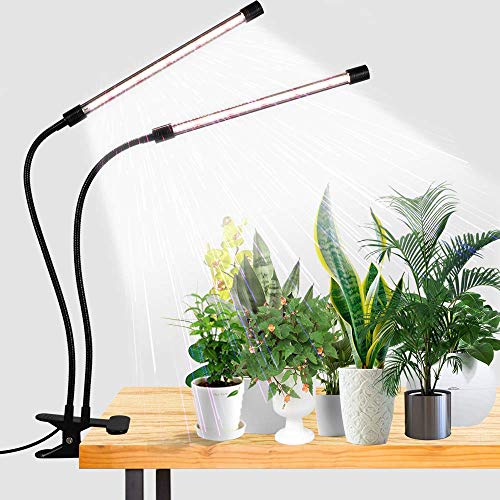
Overview: GooingTop delivers a 6000K full-spectrum setup with a substantial white LED count and a robust 4/8/12 hour timer. It includes a flexible gooseneck and clamp, making it easy to attach to desks, shelves, or plant stands.
Best for: users who need a clip-on or clamp-on solution that can be oriented precisely toward a single plant or a small group of plants, with the versatility to adjust the angle as plants grow.
Why selected: The high CRI and flicker-free operation provide a comfortable lighting experience for both plants and nearby reading or studying areas. The USB or AC power option adds flexibility around power sources.
Limitations: The light coverage is generally best for smaller planting areas; larger planters may require multiple units to avoid shading.
Buying Guide: Choosing the Right Artificial UV Light For Plants
- Coverage and plant size: For a few houseplants or seedlings, a single-head or clip-on light can suffice. For larger setups, look for multi-head options or taller, adjustable designs to ensure even light distribution.
- Color spectrum and UV content: Full-spectrum lights that include red and blue wavelengths support photosynthesis across growth stages. While many consumer lights advertise “UV,” most plants respond best to a broad spectrum including near-UV and blue-red bands rather than high UV exposure. Consider CRI (color rendering index) as a proxy for light quality.
- Intensity and dimming: Five to ten brightness levels allow tailoring light to seedling sensitivity and plant type. A timer helps automate day/night cycles, promoting consistent growth and reducing energy waste.
- Height and angle adjustability: Taller plants benefit from lights with vertical reach and flexible heads. Rotatable heads and adjustable stands improve coverage for uneven plant canopies.
- Power source and safety: USB-powered or AC-adaptable lights provide flexibility. Look for flicker-free operation and certified electrical safety for extended use near living spaces.
- Durability and aesthetics: Bamboo or wood accents blend with home decor while offering sturdy construction. Durable mounting hardware reduces wobble and extends lifespan in busy homes.
FAQ
- Do plants need UV light for growth?
Most indoor plant growth relies on a full spectrum that includes blue and red wavelengths. UV content is not essential for all plants; many grow well with broad-spectrum LED lights that simulate natural sunlight.
- How tall should the light be from the plant?
Adjust according to plant type. Seedlings typically need lights closer (6–12 inches), while taller plants can tolerate 18–24 inches or more, depending on intensity and plant response.
- Is a timer necessary for indoor grow lights?
Timers ensure consistent day/night cycles, reduce electricity use, and align with the plant’s circadian rhythms, which can support healthier growth.
- Can I mix brands?
Yes, but ensure compatible spectra and similar coverage areas to avoid uneven lighting across a plant bed.
- What is CRI and why does it matter for plants?
CRI measures how accurately light renders natural colors. A higher CRI helps you visually assess plant health and nutrient status more reliably.
- Are clip-on lights sufficient for all plants?
Clips work well for a small number of plants or compact shelves. For large collections or tall plants, consider adjustable stands or multi-head systems to avoid shading and ensure even growth.