Finding a silicone sealant that is safe for fish and reliable for aquarium repairs is essential for maintaining healthy, leak-free tanks. This guide highlights top options that are widely used in both freshwater and saltwater setups. The choices below balance safety, adhesion, curing speed, and temperature tolerance, helping you pick the right product for your tank size and material.
Ideal buyers: hobbyists repairing small to medium aquariums, DIY enthusiasts sealing leaks on glass tanks, and fishkeepers needing fast-curing options. The top products include those that promise fish-friendly formulas, durable elasticity, and resistance to UV, ozone, or temperature changes. A concise product comparison table follows the introduction to help you scan core specs at a glance.
| Product | Type | Best For | Cure Type |
|---|---|---|---|
| Selsil Aquarium Silicone Clear Sealant (10.14 oz) | 100% silicone, solvent-free | Glass aquariums, both freshwater and saltwater | Acetoxy cure, flexible and ozone-resistant |
| Aqueon Silicone Sealant Clear 3 oz | Clear silicone sealant | General sealing and leaks on small to mid tanks | Acetoxy cure, durable seal |
| LISRUX 4 Pack Aquarium Silicone Clear | Clear, high-elasticity silicone | Multi-project aquarium repairs, quick cures | Moisture-curing silicone, fast tack and cure |
| LISRUX 1 Pack Aquarium Silicone Clear | Clear, high-elasticity silicone | Small repairs or single-use jobs | Moisture-curing silicone, fast tack |
| DAP All Purpose 100% Silicone Adhesive Sealant | Clear silicone adhesive sealant | Small sealing and bonding tasks beyond aquariums | General silicone sealant cure |
SELSIL Aquarium Silicone Clear Sealant

Product overview: This high-elasticity, solvent-free sealant is designed for fish-safe glass bonding. It adheres well to non-porous surfaces without primers and is suitable for freshwater and saltwater tanks. The formula is resistant to ozone and UV exposure, maintaining elasticity across a wide temperature range.
Who it’s best for: Experienced hobbyists and professionals seeking a reliable, low-toxicity sealant that bonds well to glass and non-porous materials like aluminum and glazed ceramic tiles. Use this for long-lasting aquarium seams and fixtures where flexibility is important.
Why selected: It combines fish safety with strong bonding on glass and other surfaces, plus resistance to environmental stressors, making it a solid all-round option for standard tank repairs and new-builds.
Caution/limitation: Ensure proper ventilation during application due to acetoxy-style curing; cure times can vary with humidity and bead size.
Aqueon Silicone Sealant Clear 3 Ounces
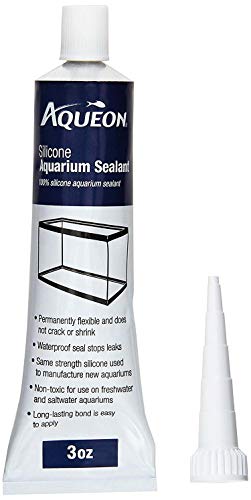
Product overview: Aqueon’s clear silicone sealant offers a waterproof seal with a permanently flexible finish that resists cracking and shrinking. It’s designed for straightforward application and long-lasting bonds in aquarium settings.
Who it’s best for: Beginners and hobbyists seeking a simple, user-friendly option for basic tank sealing and minor repairs without specialized preparation.
Why selected: Its easy application and durable, flexible bond make it a reliable choice for common aquarium maintenance tasks where a steady, consistent seal is needed.
Caution/limitation: May require more time to cure fully in cooler environments; confirm compatibility with all tank materials before applying to edges or corners.
LISRUX 4 Pack Aquarium Silicone Clear

Product overview: This 4-pack offers non-toxic, solvent-free, acid-curing silicone designed to be friendly to underwater life. It cures quickly and forms a permanently soft silicone rubber, with strong adhesion to most building materials and a broad temperature tolerance from -50 °C to 100 °C.
Who it’s best for: Budget-conscious buyers needing multiple tubes for larger projects or multi-tank setups, as well as those prioritizing rapid cure times while maintaining fish safety.
Why selected: The combination of fast cure, high adhesion, and broad temperature tolerance makes this a versatile kit for ongoing aquarium maintenance and larger repair tasks.
Caution/limitation: Cure speed can vary with bead size and ambient conditions; follow recommended surface temperatures for best results.
LISRUX 1 Pack Aquarium Silicone Clear

Product overview: A single-tube option that mirrors the 4-pack in non-toxic, solvent-free composition with acid curing. It promises rapid surface drying and a long-lasting, elastic bond suitable for aquarium environments.
Who it’s best for: Small projects or one-off repairs where a single, reliable tube is preferred, especially for hobbyists who manage a single tank or a few fixtures at a time.
Why selected: It provides the same safety profile and performance characteristics in a single unit, making it ideal for quick repairs without stockpiling materials.
Caution/limitation: As with other moisture-cured silicones, cure times may extend in cooler or drier environments; ensure adequate curing space and temperature.
DAP All Purpose 100% Silicone Adhesive Sealant
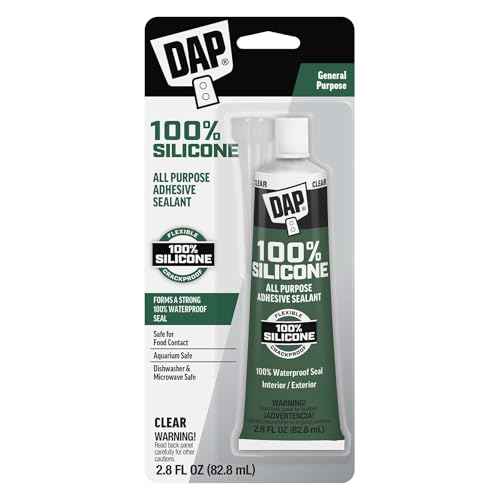
Product overview: A general-use, clear silicone sealant designed for sealing, bonding, and repairing small projects. It offers resistance to cracking and shrinking and is not paintable, making it suitable for direct sealing tasks on compatible surfaces.
Who it’s best for: Handy homeowners and hobbyists who need a versatile sealant for non-aquarium tasks or quick repairs around their home that may also intersect with aquarium setup work.
Why selected: Its all-purpose nature makes it a practical backup option for quick, non-specialized sealing needs in and around aquarium installations.
Caution/limitation: Not paintable; plan coatings or finishes accordingly if you plan to cover the cured sealant with paint or other coatings.
Buying Guide
What to consider when choosing aquarium-safe silicone adhesive:
- Fish safety: Look for formulas that are labeled as non-toxic, solvent-free, or specifically certified for aquariums. This minimizes risk to fish and invertebrates.
- Cure type and speed: Moisture-curing silicones typically offer quick tack and cure times but can vary with humidity and temperature. Consider your tank size and project urgency.
- Adhesion surface: Ensure the product adheres well to glass, acrylic, and other non-porous surfaces common in aquariums. Primer is often unnecessary with quality acetoxy silicones.
- Elastivity and temperature range: A highly elastic bond accommodates tank movements, temperature fluctuations, and UV/ozone exposure without cracking or discoloring.
- Application environment: Some formulas require good ventilation due to curing chemistry. Plan usage in a well-ventilated area.
- Single-use vs. multi-pack: For multi-tank setups or ongoing repairs, multi-packs reduce cost and ensure you have ready material on hand.
- Durability in saltwater vs. freshwater: Consider formulations that perform consistently in both environments if you maintain mixed setups.
Practical tips for using aquarium silicone
- Prepare surfaces by cleaning them thoroughly and ensuring they are dry before applying the sealant.
- Apply in a continuous bead to prevent gaps that could harbor leaks.
- Allow full cure time in a controlled environment; avoid introducing water until the seal is fully cured.
- Test a small area first to confirm compatibility with tank materials.
Frequently Asked Questions
- Q: Is aquarium silicone safe for fish immediately after application?
A: Most aquarium silicones are designed to be safe once cured. Always follow the manufacturer’s cure instructions and ensure full cure before exposure to water. - Q: Can I use silicone sealant on acrylic tanks?
A: Yes, many silicone formulations bond well to acrylic, but verify compatibility with the specific product to prevent crazing or poor adhesion. - Q: How long does curing take in typical room conditions?
A: Many silicone sealants become tack-free within minutes to hours, with full cure typically within 24 to 48 hours depending on humidity and bead size. - Q: Are there any silicone products that should not be used in tanks?
A: Some general-purpose silicones may contain additives not suitable for aquatic life. Choose products explicitly labeled aquarium-safe or fish-friendly when sealing tanks. - Q: Can I paint over cured aquarium silicone?
A: Most aquarium silicones are not paintable; plan surrounding finishes accordingly if you need a colored appearance. - Q: Is a primer ever required for glass tanks?
A: High-quality aquarium silicones often provide strong adhesion to glass without a primer, but always check the product instructions for surface-specific guidance.