Amaranth seeds offer a colorful, edible option for home gardens, with varieties ranging from dramatic ornamental plumes to nutritionally rich greens. This guide highlights five standout amaranth seed collections ideal for American gardeners seeking vibrant foliage, fragrant blooms, and reliable germination. Each selection includes easy-to-follow planting advice and notes on edible leaves or seeds. Use the buying guide to compare growth habits, height, and usability in borders, containers, or bouquets.
| Product | Variety Type | Highlights |
|---|---|---|
| Sow Right Seeds — Collection | Green Garnet, Red Garnet, Bronze | Heirloom, non-GMO, 14–21 day germination, tall, versatile uses |
| Sow Right Seeds — Red Garnet | Amaranthus tricolor | Magenta foliage, edibles, ornamental, tall |
| Organic Amaranth Seeds Variety Pack — 3 Packs | Burgundy, Hopi Red Dye, Red Garnet | Non-GMO, certified organic, indoor & outdoor |
| 2000 Love Lies Bleeding Amaranth | Amaranthus species | Bulk edible grain & greens, heirloom |
| Sow Right Seeds — Bronze Amaranth | Amaranthus paniculatus | Bronze plumes, bouquet-friendly |
Four of these selections focus on ornamental height and striking plumes, while one emphasizes culinary uses and seed production. Together, they provide a balanced mix of beauty and utility for a diverse American garden space.
Sow Right Seeds Collection Of Amaranth Seeds

The Sow Right Seeds collection bundles three prominent amaranth varieties: Green Garnet, Red Garnet, and Bronze. These large premium packets are designed for outdoor home gardens and come with gardener-friendly instructions. The Green Garnet and Red Garnet selections feature tall plants that can reach 6 feet or more, adding drama to borders or cut-flower arrangements. Bronze amaranth contributes bronze-chestnut plumes that intensify bouquet textures. Leaves are edible, whether cooked or raw, and seed heads offer dual harvest potential—grain or bird feed. This trio gives gardeners a mix of colors and growth habits for striking mixed borders or edible landscapes.
Germination typically happens within 14–21 days in soil temperatures around 65–75°F. Plant 1/8 inch deep with 6–12 inches of spacing in full sun. Expect mature seed heads in about 50–60 days, with an adaptable height range in USDA zones 5–12. The collection supports wildlife, kitchen culinary experiments, and decorative garden design alike, making it a versatile choice for beginners and seasoned growers.
Sow Right Seeds Red Garnet Amaranth Seeds
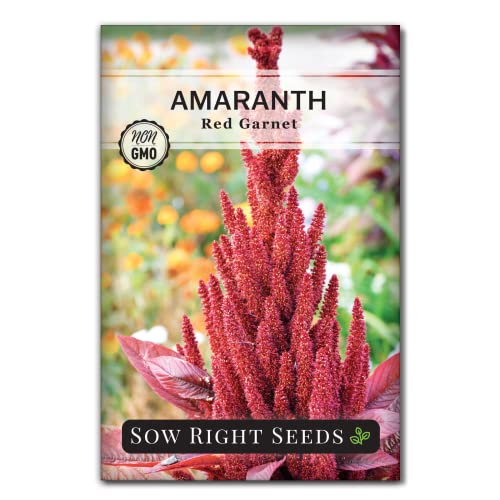
Red Garnet Amaranth seeds offer a vivid, magenta-toned foliage plant that can reach tall heights, delivering both ornamental impact and edible leaves and seed heads. The packet details a generous seed quantity (minimum of 1 g, roughly 1,300 seeds) to support a broad planting area or multiple cycles in a single season. Germination mirrors the collection’s timeframe—about 14–21 days at soil temperatures of 65–75°F. Planting guidelines call for seeds to be sown 1/8 inch deep with 6–12 inches between plants in full sun. The mature plant can reach 6 feet in height with a 1–2 foot spread and seed heads that can be harvested or left to feed wildlife. Culinary uses include greens and toasted grains, while ornamentally the magenta seed heads make striking features in beds or bouquets.
Organic Amaranth Seeds Variety Pack

This Organic Amaranth Seeds Variety Pack offers three distinct varieties—Burgundy, Hopi Red Dye, and Red Garnet—packaged as separate seed packets. The kit emphasizes freshness for high germination rates and organic certification. These amaranth types are valued for ornamental appeal and culinary versatility; the burgundy and red tones create dramatic color contrasts in borders and containers, while leaves and seed heads deliver edible greens and grains. Grow them indoors or outdoors across zones where warm-season annuals thrive. This pack is particularly suitable for gardeners seeking an organic, non-GMO option with a spectrum of colors for mixed borders, edible landscaping, or decorative arrangements.
2000 Love Lies Bleeding Amaranth Seeds

Love Lies Bleeding Amaranth seeds present a dramatic heirloom option known for its long, cascading burgundy inflorescences. This bulk-pack style seed product is suited for those interested in creating tall, striking borders or focal points in the garden. As with other amaranths, germination falls within a similar window of 14–21 days, with plant heights around 6 feet and a spread of 1–2 feet. Edible opportunities exist for both leaves and grains, and these seeds are well-suited to wildlife-friendly landscapes. Plant 1/8 inch deep in full sun for best results, and expect seed heads to mature in roughly 50–60 days depending on climate and care. The continue-use potential includes dried flower arrangements and microgreens or greens in the kitchen.
Sow Right Seeds Bronze Amaranth

The Bronze Amaranth seed packet from Sow Right Seeds highlights tall, upright growth with bronze-chestnut plumes that add texture to bouquets and borders. The packet includes generous seed counts (minimum of 1 g, about 1,400 seeds), ensuring ample planting opportunities. Germination follows the standard timing—14–21 days in soils of 65–75°F. Plants typically reach about 6 feet tall with a 1–2 foot spread, and seed heads mature within 50–60 days. Leaves and seeds are edible, offering greens for cooking and grain for baking or side dishes. This variety enhances garden verticals and is well-suited for dramatic container plantings or open borders.
Buying Guide: Key Purchase Considerations
- Growth habit and space: If you have limited space, choose varieties with compact spread or focus on border use and containers. For tall, dramatic displays, select Amaranth with strong vertical growth.
- Edible potential: All included options offer edible greens or seeds, but some are more ornamental than culinary. If you want dual-use plants, prioritize Red Garnet or Bronze types with robust leaf production.
- Germination and climate: Look for packets that specify germination windows (typically 14–21 days) and preferred soil temperatures (65–75°F). Ensure your USDA zone aligns with the plant’s tolerance (zones 5–12 are common for many amaranths).
- Garden design: Consider color and texture—magenta Red Garnet, green Garnet, and bronze plumes create varied palettes for borders, bouquets, and wildlife-friendly landscapes.
- Care and maintenance: Amaranth generally prefers full sun and regular watering. Space plants to prevent overcrowding and promote air circulation to reduce disease risk.
- Seed viability: Some varieties store well for multiple seasons when kept in a cool, dry place. This is important for long-term planning and seed-saving strategies.
- Non-GMO and organic options: If this is important, prioritize the Organic Amaranth Variety Pack and non-GMO seeds like those in the Sow Right Seeds collections.
In summary, these selections provide a spectrum of color, height, and culinary potential. Gardeners seeking dramatic focal points may favor Love Lies Bleeding or Bronze Amaranth, while those prioritizing edible foliage and seeds can lean toward Green Garnet, Red Garnet, or Burgundy varieties. The Organic Variety Pack offers an attractive balance for organic gardeners seeking diversity without compromising quality.