Aluminum sulfate is a common soil amendment used to lower soil pH and help acid-loving plants thrive. For American gardeners, choosing the right product means balancing effectiveness, safety, and compatibility with existing soil types. This article reviews five well-regarded aluminum sulfate options, outlining what they do, how to apply them, and what to look for when buying. By comparing formulation size, ease of use, and plant suitability, you can select the best aluminum sulfate for your garden’s needs.
| Product | Size | Best For | Notes |
|---|---|---|---|
| Southern Ag Aluminum Sulfate (Acidifies Soil) | 5 lb | Hydrangeas blueing, pH reduction | Easy to use; suitable for small to medium gardens |
| Bonide Garden Rich Aluminum Sulfate | 4 lbs | Acid-loving plants; broad soil compatibility | Ready-to-use; helpful for hydrangea blues |
| Pure Original Ingredients Aluminum Sulfate (1 lb) | 1 lb | Small planters and containers | Iron-free; food-grade quality |
| Pure Original Ingredients Aluminum Sulfate (2 lb) | 2 lb | Home gardens | Iron-free; versatile uses |
| Hoffman Aluminum Sulfate, 4 Pounds | 4 lb | Acid-loving plants; general soil acidification | Common option for larger applications |
Note: The products above are listed for informational purposes. Always read the product label and follow local environmental guidelines when applying soil amendments. A soil test can help determine exact pH needs and prevent over-acidification.
Southern Ag Aluminum Sulfate for Acidifying Soil

Southern Ag Aluminum Sulfate is a straightforward option for gardeners looking to lower soil pH and encourage blue hydrangea blooms. The product is designed to be easy to use in a single application or small batch projects. When applied according to label directions, it can help shift alkaline soils toward more acidic conditions, enabling a broader range of plants to thrive in your garden.
Key considerations include measuring soil pH with a reliable tester before and after application to gauge effectiveness. The product is compatible with common garden soils and is particularly useful in areas with water that creates minimal natural acidity. For hydrangeas, color changes can be a visible indicator of soil pH shifts over the growing season.
Bonide Garden Rich Aluminum Sulfate

Bonide Garden Rich Aluminum Sulfate is presented as a ready-to-use option that lowers soil pH and supports acid-loving plants. The listing highlights its broad soil type compatibility—sandy, loamy, and clay soils—making it a versatile choice for many American backyards. For gardeners growing azaleas, camellias, gardenias, and hydrangeas, this product can help achieve desirable results when soil tests indicate a higher pH.
Because Bonide emphasizes pre-measured, easy application, it can suit beginners or those seeking a straightforward option. As with all soil amendments, monitoring soil pH after treatment is important to ensure the desired outcomes without over-acidification. Pairing with a soil test kit can help fine-tune usage for optimum plant health.
Pure Original Ingredients Aluminum Sulfate (1 lb)
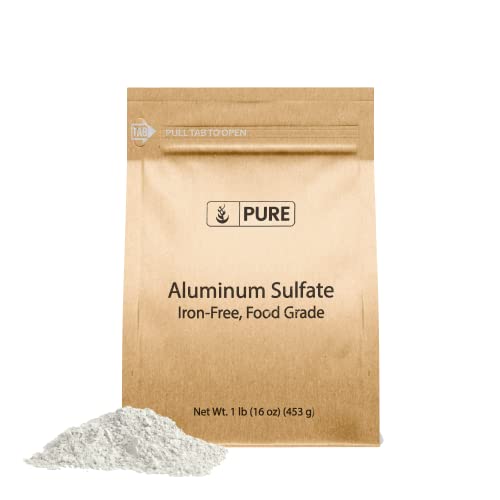
Pure Original Ingredients Aluminum Sulfate (1 lb) offers a compact option for gardeners with limited space or those who want to test soil response before larger purchases. The product is iron-free and marketed for multiple uses beyond soil acidification, including hide tanning, water treatment, and dyeing. In gardening, its primary role remains lowering soil pH to accommodate acid-loving plants.
Ideal for containerized plants or small garden beds, this option provides predictable results when used at recommended rates and combined with soil pH monitoring. Iron-free formulations may be especially appealing in situations where iron interactions with certain plants are a concern, though always follow the label for best results.
Pure Original Ingredients Aluminum Sulfate (2 lb)

The 2 lb version from Pure Original Ingredients is a logical step up for gardeners expanding their acidification efforts. Like the 1 lb option, it is iron-free and suitable for adding to gardens and planters to lower soil pH. The dual-use labeling—acidifying soil and providing other industrial uses—reflects the product’s broad production context, but its main gardening value remains soil pH adjustment for acid-loving plants.
When applying, consider staging applications to avoid rapid pH shifts that could stress plants. Soil testing helps determine how much to apply and how often to re-test soil pH as seasons progress. This approach fosters steady soil conditions and healthier plant displays over time.
Hoffman Aluminum Sulfate, 4 Pounds
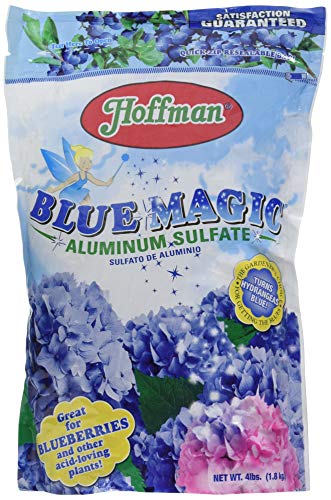
Hoffman offers a solid 4-pound option commonly used to acidify soils for plants that prefer lower pH. The product is described as suitable for acid-loving plants and as a soil additive—beneficial for hobbyists maintaining established garden beds or preparing new beds for hydrangeas, azaleas, and related varieties. For gardeners managing larger planting areas, this size supports more extensive application plans while maintaining label-adherent usage.
As with other aluminum sulfate products, balancing timing and dosage with soil pH readings is essential. For gardeners managing multiple plant types, staged applications and consistent monitoring can prevent overshoot of acidity and promote uniform plant performance across beds.
Buying Guide: Key Purchase Considerations And Comparisons
- Soil pH needs: Start with a soil pH test to determine if lowering pH will benefit your plants. Hydrangeas, blueberries, azaleas, camellias, and many rhododendrons often require more acidic soils.
- Formulation and size: Smaller packages are ideal for testing on a few plants or containers, while larger bags suit larger beds. Consider how quickly you want results and the total area to treat.
- Soil type compatibility: Most aluminum sulfate products are suitable for sandy, loamy, and clay soils, but results may vary by soil texture. Prepare for re-testing after application to measure progress.
- Ease of use: Ready-to-use options save time, whereas bulk or concentrated forms may require measuring and dilution. Clear labeling helps ensure proper application rates.
- Safety and storage: Keep products in a cool, dry place and away from children or pets. Use appropriate protective gear when handling and applying soil amendments as directed on the label.
- Plant-specific goals: If your aim is to blue hydrangea blooms, prioritize products proven to lower pH in a way that supports color changes without stressing plants.
- Environmental impact: Use the minimum effective amount and avoid over-application, which can affect soil microbiota and downstream water quality.
- Monitoring plan: Plan periodic soil tests after application to track pH changes over time and adjust as needed to maintain ideal conditions for target plants.
In summary, choosing the best aluminum sulfate for your garden hinges on target plants, garden size, and how precisely you want to manage soil pH. The five products covered here provide a spectrum from compact, test-friendly options to larger, more general market offerings. By aligning product features with your soil data and plant goals, you can optimize growth, color, and overall garden health without guesswork.