All-season reblooming iris offer reliable color across multiple blooms in a single growing season. This guide highlights five top options suited for American gardens, helping you choose the best iris for continuous display from spring through fall. Each selection suits different spaces, climates, and care levels. Whether you want vibrant purples, sunny yellows, or rich color contrasts, these bearded irises rebloom reliably in zones 4–9 with proper planting. The table below summarizes who each product is best for and why it stands out.
| Product | Best For | Why It Stands Out |
|---|---|---|
| Beauty Mix Bearded Iris | Low-maintenance gardens | High survival rate, easy to grow |
| Supreme Pink Mix | Colorful borders | Astounding color variety, perennial |
| Pretty Bearded Iris | Colorful mass plantings | Fresh roots, reliable rebloom |
| Ozark Rebounder | Bold focal points | Dark purple to almost black blooms, naturalizing |
| Harvest of Memories | Fragrant additions, cut-flower appeal | Bright yellow with orange accents, tall stems |
Beauty Mix Bearded Iris, Reblooming Iris, 8 Bulbs

Best for gardeners seeking a low-maintenance option with strong survival. This beauty mix is described as easy to maintain, with a high survival rate and meaningful symbolism in the iris’s bloom. The set contains iris bulbs ready for planting, making this a straightforward choice for beginners or busy gardeners. Caution: exact color variety may vary by shipment, and some bulbs may take longer to establish in cooler soils.
Supreme Pink Mix, Bearded Reblooming Iris

Best for color enthusiasts who want a dramatic border display. Supreme Pink Mix promises a stunning array of colors and combinations, with zones 4–9 suitability and perennial returns. Ideal for gardens that want repeated color bursts year after year. Caution: color intensity may vary across climate zones, and some rhizomes may require light shading in hot afternoons.
Pretty Bearded Iris, Reblooming German Iris
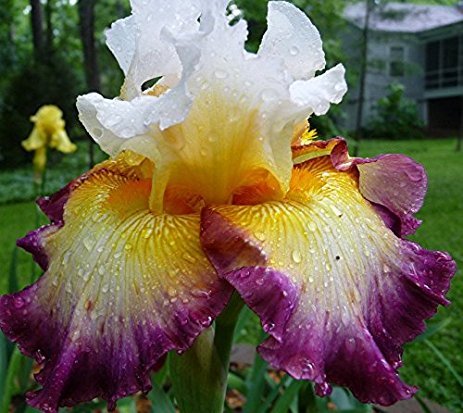
Best for colorful year-round blooms in mixed perennial beds. This bearded iris offers easy growth with rebloom potential, contributing color year after year. Best for gardeners who want reliable mass plantings and a fresh root each season. Caution: flowering performance can vary with soil fertility and moisture levels; ensure good drainage to prevent rhizome rot.
Ozark Rebounder Re-Blooming Bearded Iris

Best for bold focal displays in cooler climates. Ozark Rebounder features striking dark purple blooms with velvety veining and a white starburst around the beards. This reblooming variety benefits from naturalizing growers looking for year-to-year spread. Caution: the deep color may clash in very bright sun gardens; provide some shade during peak afternoon heat.
Harvest of Memories Re-Blooming Iris

Best for fragrant, tall-cutting iris displays. Harvest of Memories offers bright buttery-yellow petals with orange accents and strong stems that reach 36–40 inches. Ideal for front borders or cut-flower arrangements. Caution: intense yellow tones can fade faster in full afternoon sun; consider a partially shaded location to preserve color intensity.
Buying Guide: All-Season Reblooming Iris
What makes a reblooming iris suitable for all-season color? Consider bloom timing, climate compatibility, and garden use. Bearded irises typically rebloom in cooler seasons when properly cared for and planted in well-drained soil. Choose varieties with proven year-to-year resurgence to maximize color density from spring through late summer.
Soil and Planting
Plant iris rhizomes shallowly with the top just barely exposed. Use well-draining soil rich in organic matter. Mulch lightly to conserve moisture but avoid piling around the rhizomes to prevent rot. In zones 4–9, irises generally thrive with full sun to partial shade, depending on climate. Proper spacing ensures airflow, reducing disease risk and encouraging strong blooms.
Care and Maintenance
Water young plantings until established, then reduce irrigation to encourage hardiness. Remove spent blooms to encourage continued flowering, and divide clumps every 3–5 years to maintain vigor. Fertilize sparingly with a balanced, low-nitrogen fertilizer in early spring to support bloom development.
Design Considerations
Mix colors for bold borders or create a focal bed with a single dramatic iris cultivar. Consider height variation to avoid crowding and to improve visibility of blooms. Pair irises with companion perennials like daylilies, peonies, or ornamental grasses for texture and extended color.
Choosing by Climate
In colder regions (zones 4–5), choose varieties labeled for hardiness and reliable spring rebloom. In warmer regions (zones 6–9), select heat-tolerant colorways and ensure afternoon shade if possible to protect blooms from sun scorch.
FAQ
- Q: Do all reblooming irises rebloom in every climate?
A: Most do well in zones 4–9, but performance varies with soil, moisture, and light. - Q: How long do iris blooms last?
- A: Individual blooms may last several days to a couple of weeks per flowering cycle; multiple cycles extend overall color display.
- Q: Should I water irises during bloom season?
- A: Maintain steady moisture without waterlogging; irises dislike soggy soil around the rhizomes.
- Q: When is the best time to plant iris rhizomes?
- A: Plant in late summer to early fall in most regions to establish roots before winter growth.
- Q: Can I plant different iris colors together?
- A: Yes; bearded irises pair well with other perennials, and varying heights create depth and interest.