Choosing the right all-purpose fungicide helps protect both indoor and outdoor gardens from common diseases like powdery mildew, blight, leaf spot, and rot. The products below are formulated to work across a variety of plant types while minimizing environmental impact. This guide highlights five highly regarded options, focusing on effective active ingredients, safety for humans and pets, and suitability for organic or conventional gardening.
| Product | Brand | Key Benefit |
|---|---|---|
| Grower’s Ally Fungicide Spray (24 Oz) | Grower’s Ally | Citric acid-based, OMRI listed, organic gardening friendly |
| Trifecta Crop Control Ready to Use (32 Oz) | Trifecta | Broad-spectrum plant protection, safe for edible crops |
| Bonide Fung-onil Multi-Purpose Fungicide (32 Oz) | Bonide | Chlorothalonil-based, broad-spectrum disease control |
| FortaGrow Plant Disease Control Spray (16 Oz) | FortaGrow | Natural thyme oil extract, plant-based formula |
| Earth’s Ally 3-in-1 Plant Spray (32 Oz) | Earth’s Ally | Insecticide, miticide, and fungicide in one spray |
Grower’s Ally Fungicide Spray For Plants

Overview: This ready-to-use spray is designed for both indoor and outdoor use. It targets powdery mildew, alternaria blight, root rot, crown rot, and stem rot. The formula emphasizes safety for organic gardening and is OMRI Listed. It uses food-grade citric acid as a key active ingredient, offering a natural disinfectant effect without synthetic pesticides or heavy metals.
- Active approach: Prevents and treats powdery mildew and several fungal diseases.
- Organic compatibility: FIFRA 25(b) exempt and OMRI Listed for organic gardening.
- Safety focus: No residual solvents, no heavy metals, and no synthetic pesticides.
Trifecta Crop Control Ready-To-Use
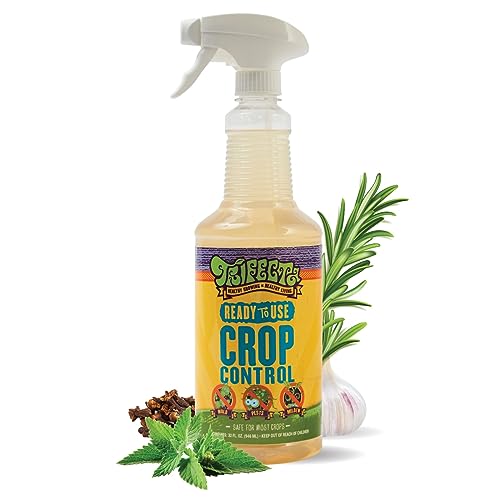
Overview: A versatile, all-natural spray that combats pests and diseases while being safe for edible crops. It provides powdery mildew control and is designed for use both indoors and outdoors. The formula aims to minimize harm to beneficial insects and the environment, aligning with organic gardening goals.
- Broad pest and disease control: Targets spider mites, aphids, whiteflies, and more, plus powdery mildew and other fungal threats.
- Edible crop safety: Suitable for use on vegetables and herbs without harmful residues.
- Easy application: Quick-drying formula with minimal odor or residue.
Bonide Fung-onil Multi-Purpose Fungicide

Overview: A traditional, broad-spectrum protectant and curative fungicide with chlorothalonil as the active ingredient. Fung-onil is designed to shield plants from leaf spot, rust, blight, mildew, scab mold, and other listed diseases, making it a staple for systems requiring robust disease control.
- Broad spectrum: Addresses a wide range of common diseases.
- Reliability: Well-established formulation with consistent performance.
- Versatile use: Suitable for many garden types and plant settings.
FortaGrow Plant Disease Control Spray

Overview: This plant disease control spray leans on thyme oil as a natural antifungal agent. It aims to stop foliar diseases on contact and offers a plant-based alternative for gardeners seeking fewer synthetic inputs. It’s designed for both indoor and outdoor use on a variety of plants including vegetables, houseplants, and shrubs.
- Natural active ingredient: Thyme oil provides antifungal properties without synthetic chemicals.
- Contact protection: Works on contact to halt disease spread.
- Home-friendly use: Suitable for indoor and outdoor environments, with pets and kids in mind when directed.
Earth’s Ally 3-in-1 Plant Spray

Overview: A multi-purpose spray combining insecticidal, miticidal, and fungicidal actions in one bottle. It’s designed for use indoors and outdoors, with an emphasis on pollinator safety and suitability for homes with kids and pets when used as directed. The product leverages botanical oils for broad protection against pests and fungi.
- Three-in-one protection: Insect, mite, and fungus control in one solution.
- Pollinator friendly: Formulated with safety in mind for garden ecosystems.
- Versatile use: Effective on a variety of houseplants, vegetables, and ornamentals.
Buying Guide: Key Purchase Considerations And Comparisons
When selecting an all-purpose fungicide for plants, consider these factors:
-
<li Active ingredient and mode of action: Natural options (like citric acid or thyme oil) offer lower risk of residues and may suit organic gardens, while traditional chemistries (chlorothalonil-based or other synthetic fungicides) tend to deliver robust, broad-spectrum protection. Rotate products to minimize resistance buildup in pathogens.
<li Plant compatibility: Some formulas are designed for edible crops or home-use environments. Check labels for restrictions on fruits, vegetables, herbs, and ornamentals.
<li Indoor vs. outdoor use: Indoor applications often require lower drift risk and odor considerations. Outdoor formulations may need rain-fast characteristics to withstand irrigation and weather.
<li Safety and residues: Look for products with minimal residual solvents and low toxicity to humans and pets when used as directed. OMRI listings can indicate organic suitability, but always follow label directions.
<li Application method and coverage: Ready-to-use sprays are convenient for quick treatments, while concentrates offer economical coverage but require mixing. Consider coverage area and frequency of application recommended on the label.
<li Environmental impact: Biodegradability, non-toxic ingredients, and non-persistence in soil support sustainable garden practices. Beneficial insects should be considered; some products are gentler on pollinators when used properly.
To maximize results, align product choice with your garden’s specific needs—disease pressure, crop type, and care routines. For households with kids and pets, prioritize formulations labeled as safe for indoor use and organic gardening when possible. Regular inspection for early signs of disease, proper spacing for air circulation, and maintaining clean tools also help reduce disease incidence alongside chemical controls.