Choosing the right shade cloth helps protect plants from heat stress while maintaining essential airflow. The following 5 products are selected for their balance of sun blocking (40–50%), durability, and ease of use for gardens, greenhouses, and outdoor enclosures. This guide highlights key features and practical considerations to help American gardeners compare options quickly.
| Product | Shade Range | Size / Coverage | Brand |
|---|---|---|---|
| Shade Cloth for Garden Plants Greenhouse (40-50%) | 40–50% | Not specified | QLOFEI |
| Agfabric 40% Shade Cloth, 6.5×20 ft | 40% | 6.5 ft x 20 ft | Agfabric |
| Agfabric 50% Shade Cloth, 6.5×20 ft | 50% | 6.5 ft x 20 ft | Agfabric |
| Coolaroo 50% UV Block Shade Cloth, 6×15 ft | 50% | 6 ft x 15 ft | Coolaroo |
| Quobiad 40% Shade Cloth, 10×20 ft | 40% | 10 ft x 20 ft | Quobiad |
Shade Cloth for Garden Plants Greenhouse (40-50%)

This shade cloth is designed to block a substantial portion of direct sun while preserving airflow. It uses high-density polyethylene and features reinforced corners and grommets every 40 inches along the edges. The fabric aims to protect plants, flowers, fruits, and even livestock housing from heat, moisture, and frost-related stress while enabling ventilation. It emphasizes durability, flexibility, and easy hanging for greenhouse, kennel, or chicken coop applications.
Agfabric 40% Shade Cloth, 6.5X20 ft

Made from high-density polyethylene, this shade cloth offers strong knitting to resist tearing and fraying. It provides cooling for vegetable gardens and greenhouses while allowing water and air to pass through. Its lightweight design makes it suitable for chicken coops, poultry housing, barns, kennels, and similar outdoor spaces needing shade with easy water access.
Agfabric 50% Shade Cloth, 6.5×20 ft

This 50% shade cloth from Agfabric is built with HDPE knit to resist tearing and fraying. It is designed to lower temperatures in vegetable gardens and greenhouses, while keeping soil moisture in check by maintaining airflow. It is a practical option for protecting plants in hot climates and can be effectively used in chicken coops or kennels for heat relief and shade without hindering water access.
Coolaroo 50% UV Block Shade Cloth, 6×15 ft

Coolaroo’s shade cloth provides 50% UV block with airflow to support photosynthesis and reduce overheating. The fabric is described as tear- and fray-resistant HDPE, designed to withstand sun, rain, and garden use across seasons. It is suitable for protecting seedlings, herbs, and vegetables while maintaining healthy root and leaf development in warm conditions.
Quobiad 40% Shade Cloth, 10×20 ft
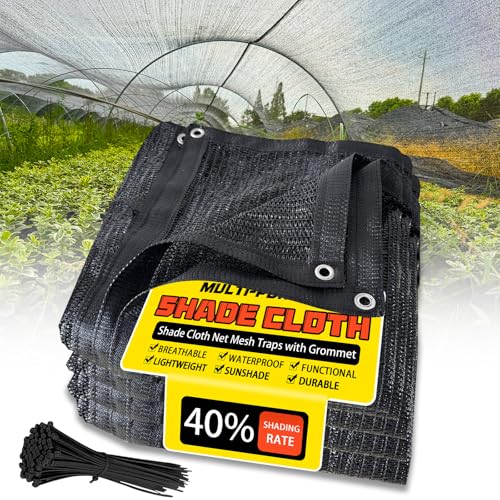
Quobiad’s 40% shade cloth is designed to block heat while permitting air and light through. Its HDPE knitted structure resists tearing and fraying for outdoor durability, making it a solid option for gardens, greenhouses, raised beds, and patio shade. The fabric helps reduce soil temperature, improve airflow, and retain moisture to support steady plant growth and yield.
Buying Guide: Key Considerations for Shade Cloth Selection
- Shade percentage: 40–50% balance sun protection with airflow. Higher percentages block more light but can reduce photosynthesis if overused in shady or cool climates.
- Material and durability: Look for HDPE knitted fabrics with reinforced edges and grommets, ideally with UV resistance for long-term outdoor use.
- Size and coverage: Choose dimensions that match the space you need to shade, whether a greenhouse, garden bed, kennel, or chicken coop. Consider extra fabric for edging and anchoring.
- Ventilation: Ensure the cloth is breathable to prevent overheating while still protecting against direct sun and wind exposure.
- Ease of installation: Grommets every few feet and reinforced corners simplify hanging and reduce tearing risk during windy conditions.
- Maintenance: Lightweight fabrics should be easy to clean and water through during watering without removal.
- Applications: Some fabrics are marketed for poultry buildings and barns; verify suitability for your specific use (greenhouse, garden, or pet area).
- UV resistance and color: Lighter colors (like white) reflect more sunlight, potentially contributing to cooler conditions; darker colors may offer more shade but absorb more heat.