Coconut fiber liners offer a natural, breathable alternative to plastic inserts, helping window boxes and planters retain moisture while promoting healthy root growth. Here’s a curated selection of 36-inch trough liners designed to fit most window boxes, decks, and railing planters. Each option prioritizes natural materials, drainage, and easy fit, enabling you to refresh your outdoor spaces with minimal maintenance.
| Product | Brand | Size (Approx.) | Key Benefit |
|---|---|---|---|
| HHTHH 2pcs Trough Coco Liner | HHTHH | 36″ x 8″ x 8″ | Pre-formed, natural coconut fiber |
| Riare 4 Pack 36 Inch Trough Liners | Riare | 36″ x 7.5″ | Multi-pack for versatility and replacement |
| Bosmere 36″ Pre-Formed Liner | Bosmere | 36″ | Soil-moisture retaining mat |
| HISDOJIP 3 Pack 36 Inch Coco Liners | HISDOJIP | 36″ x 9″ | 100% natural coir, pre-shaped |
| ANPHSIN 36 Inch Coco Liners – 3 Pack | ANPHSIN | 36″ x 9″ | Natural coconut fiber, multiple-pack value |
HHTHH 2pcs Trough Coco Liner For Window Box
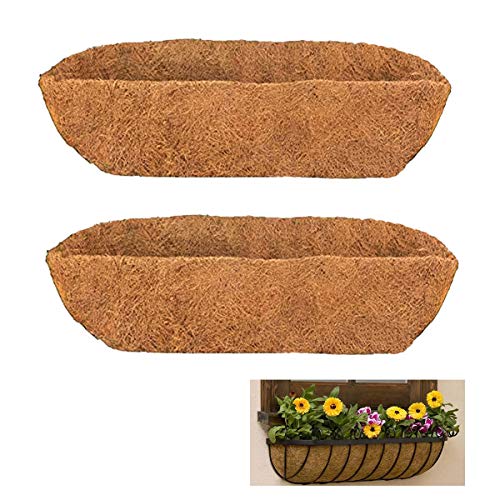
These 36-inch trough liners from HHTHH are crafted from 100% natural coconut fiber, designed to fit standard window boxes and hanging baskets. The liners come in a trough shape that helps create a neat, uniform planting surface while providing improved drainage. The product’s dimensions—approximately 36 inches long, 8 inches wide, and 8 inches deep—make them suitable for many wall planters and fence baskets. Users can plant a variety of flowering plants, including ivy and snapdragons, with the liners securing easily to their container. Their natural material supports aeration and moisture management, contributing to healthier root systems over growing seasons.
Riare 4 Pack 36 Inch Trough Liners

Riare offers a 4-pack of 36-inch trough coconut liners crafted from tightly woven natural coconut fiber. The half-moon shape complements most wall planters and hanging baskets, providing a durable, eco-friendly option that’s suitable for indoor and outdoor use. The liners promote drainage while retaining moisture, helping to maintain soil health and reduce watering frequency. Made from renewable coconut fiber, these liners are lightweight and decomposable after use, aligning with sustainable gardening practices. They regulate humidity and gently release water, supporting steady hydration and nutrient uptake for a variety of plants.
Bosmere 36″ Pre-Formed Liner With Soil Moist

Bosmere’s 36-inch pre-formed liner acts like a soil-moisture sponge, capable of holding up to 32 ounces of water. Constructed from natural materials, this liner fits standard 36-inch window baskets and helps regulate moisture for healthier plants. The natural composition supports eco-friendliness while its pre-formed design reduces setup time, delivering a reliable, ready-to-use solution for window boxes, decks, and railing planters. This liner is designed to balance water retention with aeration, helping prevent disease and overwatering while simplifying maintenance for outdoor displays.
HISDOJIP 3 Pack 36 Inch Coco Liners

HISDOJIP’s 3-pack offers 100% natural coconut coir liners that come pre-shaped to standard 36-inch window box dimensions. These liners are designed for convenience, requiring no cutting or shaping—just soak, place, and plant. They fit snugly in window planters, fence baskets, deck rail boxes, and trough containers. The moisture-control technology helps the liners act as a natural sponge, holding water while allowing for drainage. This reduces the risk of overwatering and supports consistent hydration, which is particularly beneficial in sunny or dry climates.
ANPHSIN 36 Inch Coco Liners – 3 Pack

ANPHSIN’s trio of 36-inch coconut liner replacements emphasizes natural fiber quality and long-term durability. The liners are 9 inches deep and designed to balance water retention with aeration, supporting steady nutrient delivery to plant roots. Made from natural coconut fiber, these liners are suitable for window planter boxes, deck rails, and railing planters. The product is ideal for gardeners seeking reliable, reusable liners that can be replaced as needed while maintaining a natural aesthetic for outdoor displays. They are compatible with a wide range of plant types, from vegetables to ornamental flowers.
Buying Guide: Key Purchase Considerations
Material and sustainability: Look for 100% natural coconut coir or coconut fiber liners. They’re biodegradable, eco-friendly, and generally offer better drainage and aeration than plastic alternatives. Consider packs that minimize waste by providing multiple liners for replacements.
Size and fit: Ensure the liner length is 36 inches and matches your window box or planter’s width and depth. Pre-formed liners save time and reduce the need for cutting, making installation straightforward for most standard window boxes, deck rail planters, and hanging baskets.
Drainage and moisture control: A liner that holds enough moisture without becoming soggy supports healthier roots and reduces the need for frequent watering. Coir liners function as a natural sponge, releasing water gradually as the soil dries.
Durability and reuse: Thick, high-quality coconut fiber resists degradation and maintains shape over multiple growing seasons. Some products offer thicker liners or multi-pack configurations for easier replacement and extended use.
Compatibility with plants: While coconut liners suit a wide range of annuals and ornamentals, ensure the liner depth and thickness accommodate the root systems of your favored plants. For heavy feeders, pairing with well-draining soil helps prevent root issues.
Installation convenience: Pre-formed liners are often easier to install, especially for window boxes or decorative troughs. Seams, edges, and securement features influence how well the liner stays in place in windy or high-traffic areas.
Environmental impact: Consider liners sourced from renewable materials and those that are compostable or recyclable at end of life. A compostable option helps minimize long-term waste while supporting sustainable gardening practices.
Cost and value: Multi-pack options typically offer better value per liner and reduce the frequency of replacement. Compare total package cost against durability and expected lifespan to determine the best long-term choice.