Choosing the right raised bed is essential for growing vegetables, herbs, and flowers with living soil. The 2×4 footprint offers compact space efficiency while still providing ample root depth and drainage. Below are five top picks that emphasize deep growing depth, open-base drainage, and durable, tool-free assembly for quick setup and ongoing maintenance. Each option supports living soil methods and accommodates a range of plants—from broccoli and beans to tomatoes and herbs.
| Product | Footprint | Depth | Key Benefit |
|---|---|---|---|
| Best Choice 4x2x2ft Gray | 4′ x 2′ | 2 ft | Deep root access with open base |
| Grassroots Fabric Pots 2′ x 4′ Bed | 2′ x 4′ | — | Optimized living soil with air pruning |
| Best Choice 4x2x2ft Navy | 4′ x 2′ | 2 ft | Open base drainage, easy assembly |
| Best Choice 8x4x2ft Sage Green | 8′ x 4′ | 2 ft | Open base bed for compost layering |
| Grassroots Fabric Pots Raised Beds 2′ x 4′ | 2′ x 4′ | — | Moisture-lock living soil, durable USA-made |
Best Choice 4x2x2ft Gray Outdoor Metal Raised Garden Bed

This 4′ x 2′ metal raised bed provides 24 inches of soil depth, holding up to 119 gallons of soil—ideal for medium to deep rooting vegetables like broccoli and beans. It features an open bottom to promote drainage and prevent salt buildup, helping roots access nutrients more efficiently. Assembly is tool-free with beveled steel panels and rubber-edged protection. The open-base design also supports living soil practices by enabling easy incorporation of organic matter and compost amendments over time.
Best Choice 4x2x2ft Navy Outdoor Metal Raised Bed

With the same 24-inch depth and 119-gallon soil capacity, this navy finish offers a durable option for growing vegetables, herbs, and flowers. The open-base drainage system reduces waterlogging and salts while providing roots steady access to nutrients. Quick, tool-free assembly and protective rubber edging help keep gardening projects efficient and low-maintenance, supporting sustainable living soil practices in a practical 2×4 footprint.
Best Choice 8x4x2ft Outdoor Metal Raised Bed (Sage Green)

This larger 8′ x 4′ bed is designed for serious growing in living soil systems, offering a 24-inch depth and a substantial 478-gallon soil capacity. The open-base design acts as an ideal compost bed for layering yard waste and kitchen scraps to enrich soil on site. Assembly remains tool-free with the same sturdy beveled steel construction and rubber edging for protection, enabling easy expansion of living soil beds across larger garden projects while maintaining a 2-foot depth for robust root development.
Grassroots Fabric Pots Raised Beds 2′ x 4′ With Blumat Kit
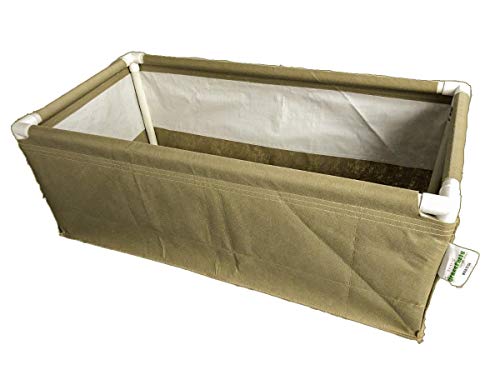
This 2′ x 4′ fabric bed includes Blumat irrigation for precise moisture control, reinforcing living soil principles. Fabric beds promote superior root health through aeration and air pruning, delivering healthier roots and better plant performance than traditional wooden beds. The product is constructed for durability in the USA and is positioned as a long-lasting option for compact garden projects emphasizing organic and biodynamic techniques.
Buying Guide: Key Purchase Considerations For 2×4 Living Soil Beds
Depth and drainage: A 24-inch soil depth supports intermediate to deep-rooting crops. An open-base drainage system helps prevent water and salt buildup, while promoting nutrient access to roots—crucial for living soil success.
Material and durability: Metal raised beds are strong and long-lasting, with protective edging to prevent injuries. Fabric beds offer excellent aeration and root pruning but may require more frequent relocation or replacement depending on climate.
Ease of assembly: Tool-free or minimal-assembly designs reduce setup time and help maintain continuity in soil-building projects. Rubber edging protects plant stems and makes handling safer.
Soil strategy: Beds designed for living soil support composting, layering of organic amendments, and moisture management. An open base can facilitate compost integration, while fabric beds are adept at moisture retention and air exchange.
Size suitability: The 2×4 footprint fits small to medium plots, patios, or balcony gardens, enabling crop rotation and succession planting. For larger plantings, consider 8×4 or additional modules that maintain the living soil approach.
Maintenance needs: Consider annual soil amendments, weed control, and drainage maintenance. Fabric beds may require seasonal re-application of mulch or compost, while metal beds benefit from rust protection and occasional cleaning.
Plant compatibility: Choose bed depth and drainage based on plant types—root vegetables like carrots and onions may require deeper soil, while herbs and greens can thrive in shallower zones if moisture is managed properly.
Price-to-value: Evaluate long-term durability, compatibility with existing irrigation, and potential for soil enrichment when comparing beds. While metal frames tend to last longer, fabric beds offer flexibility and lower upfront costs, particularly for living soil systems.