Answering the most common buyer questions, ornamental flowering cherry trees add stunning spring color to landscapes, patios, and decorative gardens. This guide focuses on trees that are beginner-friendly, suited for outdoor planting, and offered in compact live forms. The top picks emphasize vibrant blossoms, manageable sizes, and reliable growth. Ideal buyers include first-time homeowners seeking seasonal blooms, gardeners wanting a focal specimen, and outdoor decorators aiming for year-round visual interest.
Summary table of featured products:
| Product | Best For | Key Benefit | Notes |
|---|---|---|---|
| Cherry Blossom Tree, 6-12″ Pink (DMOH) | Colorful spring color in small spaces | Abundant pink blooms, sunny landscape plant | Dormant in winter; focus on root health |
| Weeping Cherry Tree, 6-12″ | Elegant, cascading form | Graceful weeping branches with spring blossoms | 3″ pot; best for decorative landscapes |
| Rainier Cherry Tree Live Plant | Edible fruit plus ornament | Self-pollinating, sweet yellow-red blush fruit | 3″ pot; ornamental blossoms included |
| Kwanzan Japanese Flowering Cherry Tree (8-14″) | Showy double pink blooms | Stunning spring display; strong ornamental value | Dormant season delivery note |
| Kwanzan Cherry Tree Live Sapling | Long-term landscape focal point | Double pink blossoms; garden landscape staple | Typical mature size 15-25 ft; plan space accordingly |
Cherry Blossom Tree, 6-12″ Pink Blossoms
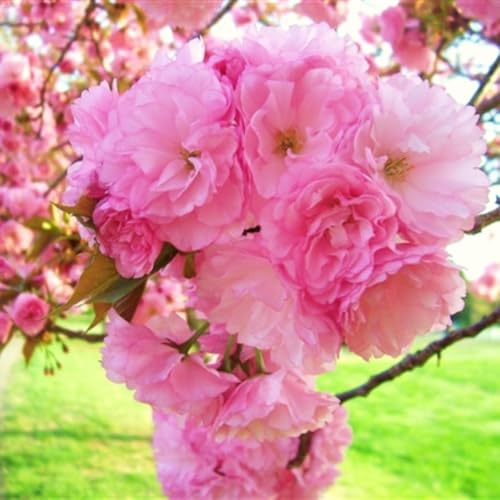
Best for small gardens or container planting where spring color is the primary goal. This DMOH live cherry tree delivers prolific pink-to-white blooms in early spring and remains a compact option at 6-12 inches tall in its pot-ready form. It thrives in full sun and is best for buyers seeking a quick splash of color without a large mature canopy. A potential limitation is the tree’s winter dormancy; while not a growth constraint, it means the active growing period is concentrated in warmer months.
Weeping Cherry Tree, 6-12″ Live Plant

Best for those who want a dramatic, cascading silhouette. The Weeping Cherry produces an abundant spring bloom in a charming weeping form, even from a 3″ pot. Ideal for decorative borders, entryways, or containers where the plant’s architecture can be showcased. Better for plant enthusiasts who appreciate a graceful shape and are willing to provide steady sun and well-drained soil. Limitation: the weeping habit may require supportive staking in windy areas or during initial establishment.
Rainier Cherry Tree Live Plant

Best for edible ornament with self-pollinating convenience. The Rainier variety is noted for sweet, yellow-red blush fruit and ornamental blossoms that brighten landscapes. It is self-pollinating, which simplifies planting if you have limited space or lack nearby cherry trees. Choose this if you want fruit with ornamental value in a compact setup. Caution: fruiting trees demand steady moisture and good drainage to avoid root issues, especially in shallow pots.
Kwanzan Japanese Flowering Cherry Tree (8-14″)
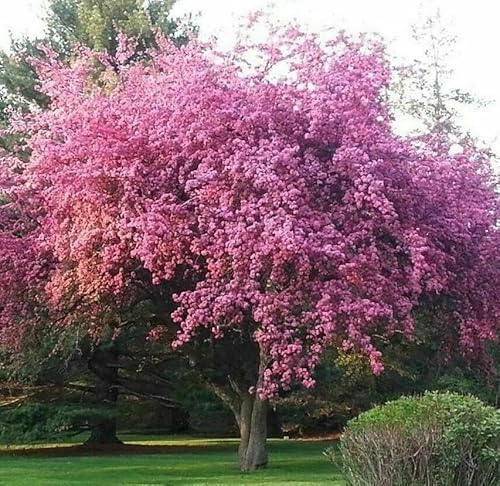
Best for a show-stopping spring display in medium-large gardens. The Kwanzan produces abundant double pink blossoms that create a lush, carnation-like effect across the branches. The plant’s dormancy warning from October–April is noted, so plan for leafless periods during shipment unless you’re in warmer climates. This selection is ideal for buyers seeking a classic, superbly ornamental cherry with a pronounced spring flourish.
Kwanzan Ornamental Cherry Tree (1 QT)

Best for gardeners who want a dramatic spring focus with a manageable starting pot. This Kwanzan grows from a 1-quart nursery pot and ships in a fabric grow bag, offering easy root establishment and transit. The blooms are a prominent pink double form, making it a standout specimen in borders or patios. Limitation: it will not arrive in leaves if shipped during the dormant season, so expect foliage development to begin after planting in suitable weather.
Buying Guide: Key Purchase Considerations
- Size and space: Compact 6-12″ saplings fit small yards, while 8-14″ Kwanzan can become a larger focal point over time. Plan mature height and canopy spread when choosing.
- Bloom type: Double pink blossoms are highly ornamental (Kwanzan), while standard pink-to-white single blooms still offer strong visual impact for entryways and patios.
- Pollination and fruit: Self-pollinating varieties like Rainier reduce the need for a companion tree if fruit production is desired, though cross-pollination can still enhance yield in some setups.
- Sun exposure: Most options prefer full sun for the best bloom production. Shade can reduce flowering density and overall vigor.
- Soil and drainage: Well-drained soil with moderate moisture supports healthy root establishment. Containers require careful watering to avoid root rot.
- Shipping and dormancy: Some trees arrive dormant, especially in cooler months. Expect leafless periods and plan planting accordingly for root establishment after arrival.
- Maintenance: Pruning after bloom and occasional fertilization help maintain shape and encourage robust future blossoms.
Planting and Care Quick Tips
- Water consistently after planting; keep soil evenly moist but not waterlogged for the first growing season.
- Choose a sunny planting site with protection from strong winds to reduce limb damage and improve flower retention.
- Use mulch to help conserve moisture and regulate soil temperature around the root zone.
FAQ
- Are these cherry trees suited for containers? Yes, several selections are offered in small pot forms or nursery pots, making them suitable for patios and small yards with proper root space and sun.
- Do I need a second tree for flowering? Most odds favor self-pollinating varieties, but some cherry trees benefit from nearby mates to maximize fruit production. For strictly ornamental purposes, self-pollinating options work well.
- When is the best time to plant? Plant in spring after the last frost or in early fall in mild climates to establish roots before harsh weather. Dormant shipments are common in cooler months.
- What maintenance do they require? Regular watering, occasional pruning after flowering, and soil checks for drainage are typical; avoid overwatering especially in pots.
- Will these trees attract pests? Like all ornamental cherries, watch for aphids or scale. Use integrated pest management practices if issues arise, and ensure good airflow around the plant.