Finding the right waterproof paint for ponds means balancing underwater safety, durability, and ease of maintenance. This guide focuses on non-toxic epoxy paints and membrane coatings designed for ponds and water features. The top products here are best for hobbyists and professionals who want reliable adhesion, fish- and plant-safe formulas, and long-term waterproofing. Each option fits different pond types, climates, and maintenance preferences, helping you pick the right finish for your underwater project.
| Product | Color / Finish | Best For |
|---|---|---|
| Pond Armor SKU-GRAY-QT-R | Gray, Epoxy | Koi ponds and decorative ponds that require a neutral finish with strong underwater adhesion |
| Pond Armor SKU-SKYBLUE-QT-R | Sky Blue, Epoxy | Aquatic features where visibility or aesthetic blue tint helps mimic natural water |
| Pond Armor SKU-Clear-QT-R | Clear, Epoxy | Clear finish over existing surfaces where color integrity matters |
| Pond Armor SKU-TAN-QT-R | Tan, Epoxy | Natural-toned ponds that blend with surrounding landscapes |
| Pond Armor SKU-BLACK-QT-R | Black, Epoxy | Darkened water features or background sealing where a bold look is desired |
Pond Armor Gray Non-Toxic Epoxy Paint

This gray epoxy paint is designed for underwater use and is non-toxic, making it suitable for fish and aquatic plants. Its self-priming formula aims to deliver reliable adhesion on finished pond surfaces and improve long-term maintenance. It tolerates a wide range of climates, including hot and freeze/thaw cycles, providing a versatile option for outdoor ponds. This product is best for ponds that require a neutral, low-contrast finish and durable underwater performance.
- Underwater-ready epoxy with non-toxic, fish-safe formulation
- Self-priming for dependable surface adhesion
- Weather-tolerant in hot and freeze/thaw environments
- Ideal for koi or decorative ponds needing a durable gray finish
Best for: Ponds where a neutral gray tone is preferred and long-lasting underwater protection is essential. Caution: Ensure the surface is clean and dry before applying to maximize adhesion.
Pond Armor Sky Blue Non-Toxic Epoxy Paint
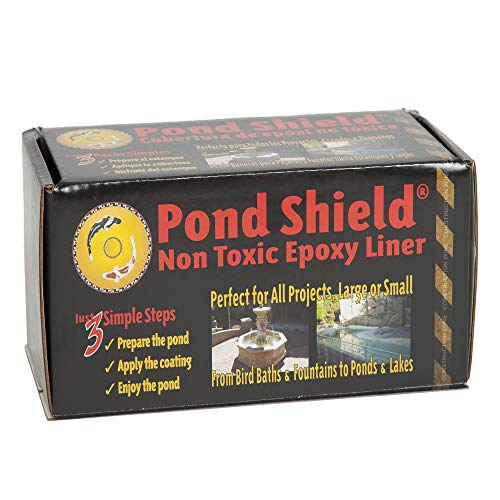
The sky blue finish adds a decorative touch while remaining waterproof and safe for underwater life. Its underwater design reduces risk to fish and plants, and the self-priming feature supports strong adhesion for a finished pond surface that’s easy to maintain. Use in ponds where a bright, water-like appearance is desired or where visibility helps monitor water conditions more clearly.
- Non-toxic, fish- and plant-safe underwater coating
- Self-priming for reliable adhesion on submerged surfaces
- Vibrant sky blue color enhances water features
- Suitable for a range of climates and pond sizes
Best for: Decorative or wildlife-friendly ponds needing a vivid blue accent. Caution: Bright colors can affect how you perceive water depth; consider darker shades for subtlety.
Pond Armor Clear Non-Toxic Epoxy Paint

This clear epoxy coating preserves surface color while still providing a waterproof seal and underwater safety. It is designed for underwater use with a self-priming formula to promote adhesion. Clear finishes are ideal when you want to maintain natural stone, concrete, or existing color schemes while adding waterproof protection for ponds and water features.
- Underwater-safe, non-toxic epoxy with clear finish
- Self-priming for straightforward application
- Preserves original surface color and texture
- Good for restoring or sealing existing pond surfaces
Best for: Surfaces where color must stay unchanged but waterproofing is needed. Caution: A clear coat may show more imperfections on rough substrates.
Pond Armor Tan Non-Toxic Epoxy Paint
The tan epoxy paint offers a natural hue that blends with garden settings and natural surroundings. It remains waterproof and designed for underwater use, with a self-priming formula that supports strong adhesion and ease of maintenance. This option is suitable for ponds where a warm, earth-toned finish is preferred or to camouflage pond features within landscaping.
- Earth-toned tan finish for natural blending
- Underwater-safe and fish-friendly
- Self-priming adhesion for durable results
- Good for decorative ponds integrating with garden design
Best for: Landscaped ponds where a natural color helps integration. Caution: Tan shades may fade slightly in intense sun over multiple seasons; plan for maintenance cycles.
Pond Armor Black Epoxy Paint 1.5-Gallon
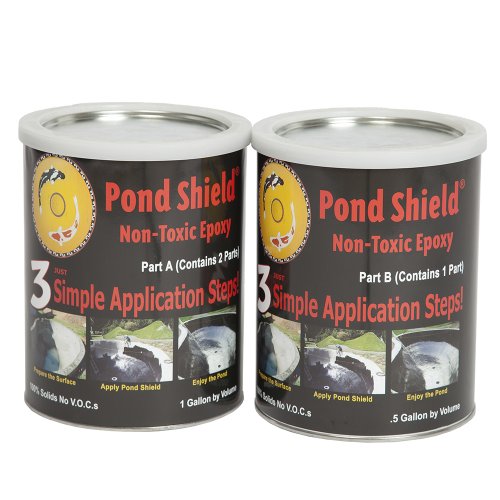
This black epoxy coating provides a bold, high-contrast finish for ponds and water features. It maintains waterproof integrity for underwater use and is non-toxic for aquatic life. The larger 1.5-gallon size is suitable for bigger ponds or projects requiring fewer cans and more coverage. This option is best for modern or contemporary landscape designs requiring a dark backdrop.
- Non-toxic, underwater epoxy in black
- Self-priming for straightforward application and durable adhesion
- Large-volume pack suitable for bigger ponds
- Ideal for bold, high-contrast water features
Best for: Larger ponds or design schemes calling for a dark, modern look. Caution: Very dark finishes can show debris more readily; regular cleaning helps maintain appearance.
Buying Guide: Key Considerations For Waterproof Pond Paints
- Water compatibility: Confirm the product is formulated for underwater use and safe for fish and plants. Underwater paints reduce risk to aquatic life and improve long-term pond health.
- Finish color and opacity: Choose based on aesthetic goals. Clear coatings preserve color; neutrals like gray and tan blend with landscapes; blue options add visibility or decorative appeal; black creates contrast and depth.
- Adhesion and priming: Self-priming formulations simplify application and improve adhesion on concrete, EPDM, and other pond substrates. Proper surface prep enhances durability.
- Climate tolerance: Look for paints that tolerate hot, cold, and freeze/thaw conditions. This ensures performance across seasons and geographic variability.
- Volume and coverage: Calculate pond surface area to determine how many cans are needed. Larger ponds may benefit from higher-volume packs to reduce joints and seams.
- Maintenance: Consider how easy it is to clean and maintain the coated surface. Some finishes resist algae buildup better and simplify routine maintenance.
- Application considerations: Temperature, humidity, and substrate cleanliness influence curing and adhesion. Follow manufacturer instructions for best results.
- Safety and environmental factors: Favor water-based, low-VOC products to minimize environmental impact and keep the water safe for wildlife.
Frequently Asked Questions
- What type of paint is best for ponds underwater?
- Can pond paint be applied to all pond materials?
- How long does it take for pond paint to cure?
- Is a primer necessary for pond coatings?
- Are clear pond coatings risky for color fading?
- How should I prepare a pond surface before painting?
Underwater-safe epoxy paints or waterproof sealants designed for aquatic environments are ideal, as they provide strong adhesion and form a durable membrane without harming fish or plants.
Many formulas adhere well to concrete, stone, and EPDM, but always verify substrate compatibility and follow surface preparation guidelines for best results.
Curing times vary by product and conditions. Check the product label for recommended drying and curing durations before refilling with water or exposing to fish.
Some formulations are self-priming and do not require a separate primer, while others benefit from a dedicated primer for maximum adhesion on certain substrates.
Clear coatings preserve surface color but may reveal surface imperfections more readily. Consider the underlying substrate and finish goals when choosing a clear option.
Remove debris, rinse surfaces, and allow to dry completely. For porous concrete, a close inspection for chips or cracks is prudent; repair as needed before applying coating.