If you want to grow fruit you can harvest from your garden or balcony, this guide highlights five reliable options. Each product note explains who it’s best for, how it grows, and any limitations to consider. This selection covers compact shrubs, unusual tropicals, and easy-to-grow berries, helping beginners and seasoned gardeners pick fruit-bearing plants that fit their spaces and climates.
| Product | Best For | Growth Notes |
|---|---|---|
| White Carolina Pineberry Plants | Fresh-eating fruit lovers; indoor or outdoor growers | Pineapple-strawberry flavor; hardy in zones 4-8 |
| Honeyberry Blue Honeysuckle Seeds | Cold-climate gardeners; container planters | Produces blue berries; compact shrub 3-5 ft tall |
| Jaboticaba Tree (Live 1 Foot) | Unique tropical fruit experiences; outdoor or large containers | Fruit grows on trunk; exotic, grape-like berries |
| TickleMe Plant Seeds (2-Pack) | Educational fun; interactive indoor plant project | Leaves close when touched; not a fruit producer but a novelty |
| Currant Bush Plant | Backyard or orchard-style planting; easy fruiting | Fast-growing; zones 3-7; bears within a year |
White Carolina Pineberry Plants – 10 Roots

Product overview: This bareroot pineberry variety brings a distinctive pineapple-strawberry flavor to fresh eating. Suitable for both indoor and outdoor cultivation, these plants are hardy in USDA zones 4-8, offering a unique fruiting option for cool-season gardeners.
- Best for: Fruit-forward eaters who want a novel flavor and adaptable growing conditions.
- Why selected: Combines familiar berry texture with tropical notes, expanding flavor profiles for fruit bowls and desserts.
- Limitation: May require proper chill and protection in colder climates or extreme heat to maintain vigor.
Honeyberry Blue Honeysuckle Seeds

Product overview: A promising starter kit for honeyberry production, these seeds support the growth of Lonicera Caerulea shrubs that yield edible blue berries. The package includes 30 premium seeds with diverse growing options, including outdoor planting after frost or indoor starts before last frost.
- Best for: Gardeners who want a cold-hardy berry crop and flexible starting methods.
- Why selected: Versatile germination paths help maximize success in short growing seasons.
- Limitation: Seed-grown shrubs require patient care before fruiting; expect multiple seasons of growth before harvest.
Live Jaboticaba Tree – 1 Foot Tall

Product overview: A small Jaboticaba tree shipped as a 1-foot bare-root plant offers a tropical option with grapes-like fruit that grow directly on the trunk. Suitable for outdoor gardens or well-lit containers, it provides a striking ornamental display alongside fruit production.
- Best for: Gardeners seeking a striking, unusual fruit tree with edible rewards.
- Why selected: The trunk-borne fruit habit creates a unique focal point in any landscape.
- Limitation: Tropical species often requires warmer temperatures and careful winter protection in cooler regions.
TickleMe Plant Seeds

Product overview: This two-pack of TickleMe Plant Seeds introduces an indoor gardening novelty that reacts to touch. While it does not bear edible fruit, its interactive nature makes it a compelling educational project for kids and curious adults.
- Best for: Families seeking an engaging indoor plant project with a measurable reaction to touch.
- Why selected: Combines science learning with a playful display of plant behavior.
- Limitation: Not a fruit-producing plant; best used as an educational complement rather than a primary fruit source.
Currant Bush Plant
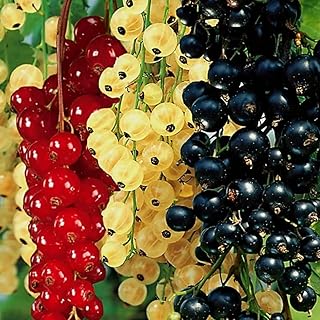
Product overview: This live currant bush is described as a fast-growing option that can bear fruit within a year. Suited for outdoor planting in USDA zones 3-7, it prefers full sun and well-drained soil, helping diversify a home orchard with relatively quick results.
- Best for: Gardeners wanting rapid fruiting and a robust outdoor plant.
- Why selected: Quick establishment helps new fruit growers see harvests in a shorter timeframe.
- Limitation: Dormant in winter; may require season-appropriate care and protection in harsh climates.
Buying Guide
Key considerations help buyers select fruit-bearing plants that fit space, climate, and goals.
Climate and Hardiness
Choose varieties that match your USDA hardiness zone. Pineberries tolerate zones 4-8, while honeyberries thrive in cooler climates. Jaboticaba thrives in warmer tropical conditions, so assess winter protection needs if you plan to grow it outdoors.
Space and Growing Medium
Consider container suitability for balconies or small patios. Compact shrubs like honeyberries and currants fit well in limited spaces, while bareroot pineberries can be grown in beds or containers. The Jaboticaba tree requires ample sun and adequate container depth if grown in pots.
Fruit Type and Flavor
Flavor variety influences culinary use. Pineberries deliver a pineapple-strawberry profile ideal for fresh eating, while currants offer tart fruits suitable for preserves. For tropical flavor gains, Jaboticaba provides a distinctive grape-like berry.
Starting Method and Maintenance
Seed-based starts (like honeyberries) may take longer to bear fruit than established bare roots or container-grown plants. Currants and pineberries generally establish quicker, offering earlier harvest opportunities. Some items, like TicklMe Plant seeds, are primarily educational and not intended for fruit production.
Care and Longevity
Water, sunlight, and soil drainage are central to success. Ensure well-drained soil for currants and honeyberries, and provide winter protection for tender species. Pruning may help improve yields and keep plants manageable in small spaces.
Harvest Readiness and Yield Expectations
Expect a few seasons before fruiting for most seed-grown varieties. Quick-start options include established bareroots or nursery plants, which may bear fruit sooner with proper care and location.
FAQ
- What is the best fruit plant for a beginner with limited space?
Currant bushes and honeyberry shrubs are good starter options because they are relatively hardy, compact, and easier to manage in small gardens compared to tropical trees.
- Can all these plants be grown in containers?
Most can be grown in containers with sufficient sunlight and proper drainage. Jaboticaba trees perform best in larger containers with strong sun exposure and warmth.
- How soon can I expect fruit from currants?
Currants can bear fruit within one year under favorable conditions, making them one of the quicker fruiting options on this list.
- Are pineberries true pineapples in taste?
Pineberries offer a unique pineapple-strawberry flavor profile that is distinct from typical strawberries, making them a novelty for fruit salads and fresh eating.
- Do I need special care for tropical trees like Jaboticaba in cold climates?
Yes, Jaboticaba often requires winter protection or indoor overwintering in cooler zones to prevent damage from freezing temperatures.