The best plant covers for winter protect greenery from frost, wind, and cold snaps while still allowing light and air to reach plants. This guide highlights five top options, who they’re best for, and how to choose the right frost blanket for your garden, balcony, or greenhouse. Ideal buyers include outdoor gardeners with small beds, container gardeners needing flexible sizing, and seasonal growers seeking easy storage after cold spells.
| Product | Size / Area | Material / Key Benefit |
|---|---|---|
| YFFSIDMY Plant Covers Freeze Protection | 6.5 ft x 16 ft (≈ 104 ft²) | Thicker 0.9 oz/yd² UV-stabilized polypropylene; breathable, light passes through |
| MAQIHAN Plant Cover | 6.5 ft x 13 ft | 1 oz/yd² non-woven fabric; durable, versatile and reusable |
| AlpineReach Plant Covers Frost & Sun Protection | 10 ft x 30 ft | 1.2 oz/yd² breathable fleece-like fabric; all-season protection |
| Gardzen 5-Pack Plant Cover Drawstring | 2.06 oz/yd² breathable non-woven fabric; drawstring for easy fit | |
| ANPHSIN 3 Pcs Plant Covers | 39.3″ x 19.6″ per cover | Soft non-woven fabric; drawstring; suited for shrubs and small plants |
Below is a quick reference for the five picks, to help you compare at a glance and pick the best fit for your garden layout, plant types, and winter goals.
YFFSIDMY 6.5′ x 16′ Frost Blanket

Best for: Home gardeners seeking large coverage with easy trimming and foldable storage. This cover uses a thicker 0.9 oz/yd² polypropylene, offering substantial insulation without sacrificing breathability. The size covers up to 104 square feet, suitable for larger shrubs, assorted beds, or multiple plants under one shield. Selected for its durable material and light transmission, which helps maintain plant vigor while protecting against frost, snow, and wind. A potential limitation is bulk when storing for long off-season periods.
MAQIHAN 6.5 ft x 13 ft Frost Cover
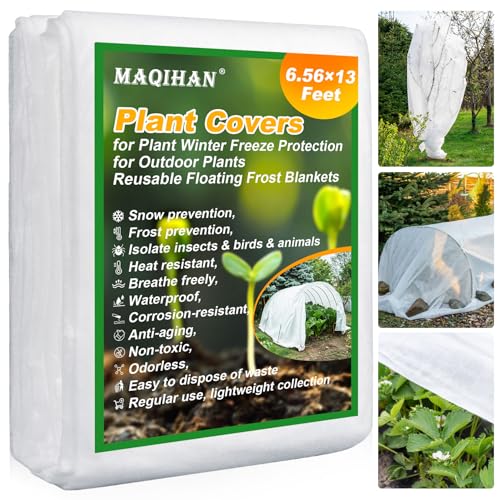
Best for: Gardeners needing a versatile, reusable frost cloth with easy customization. The 1 oz/yd² non-woven fabric balances durability and breathability, supporting sunlight penetration while insulating against frost. It acts as a barrier against wind, frost, and light snowfall, and can be cut for tailored fits. Use this when you want a flexible option that can adapt to varying plant sizes and shapes; note that it may require trimming for precise coverage of large specimens.
AlpineReach Frost & Sun Protection

Best for: Perennial beds and greenhouse-adjacent areas that need all-season protection. The 10 ft x 30 ft coverage and 1.2 oz/yd² fabric create a microclimate that tempers cold snaps, frost, and wind while promoting growth through light permeability. This option emphasizes extending the growing season and improving early germination. A limitation is its larger footprint, which may be less convenient for small balconies or tight spaces.
Gardzen 5-Pack Drawstring Plant Covers

Best for: Small to mid-size plants, shrubs, and saplings that need individual protection. This set includes multiple sizes (22.4″ x 24″, 31″ x 40″, and 54″ x 72″), enabling tailored coverage across a diverse plant collection. The breathable 2.06 oz/yd² non-woven fabric and drawstring design make it easy to slip on and secure around stems. Choose this if you want packable, reusable options that adapt to multiple plant forms; drawback is the smaller sizes may require combining multiple covers for larger plants.
ANPHSIN 3 Pcs Winter Plant Covers

Best for: Low-growing plants, seedlings, and short shrubs that require compact protection. Each cover measures about 39.3 inches by 19.6 inches, making them suitable for small raised beds or potted plants. The soft non-woven fabric promotes airflow and light transmission while shielding against frost and wind. A potential drawback is limited coverage for taller plants; use on small or container-grown specimens for best results.
Buying Guide: How To Choose The Right Winter Plant Cover
What size do you need? Start by measuring plant height and canopy width. Choose covers that extend beyond the outer leaves to ensure full protection and airflow. For larger beds or groups of plants, consider longer dimensions or multiple covers that can be laid side by side.
What material matters most? Non-woven polypropylene or similar breathable fabrics are common. Look for fabrics at least 1.0 oz/yd² to balance insulation with light transmission. Thicker options offer more frost resistance but may restrict airflow if not breathable.
Should you prioritize breathability or insulation? The best options balance both. Breathable fabrics prevent moisture buildup that can lead to mold while still creating a warmer microclimate around the plant. If you garden in windy zones, check for a design with drawstrings or zippers to secure the cover without flapping in gusts.
Are covers reusable? Reusable options save money and reduce waste. Look for durable seams, multiple size choices, and easy storage after winter. Some products are sold in packs to cover a variety of plant sizes, which helps with flexibility across a garden or balcony setup.
What plants are you protecting? Delicate seedlings, transplants, and young shrubs benefit from breathable protection. For mature shrubs or trees, larger, sturdier blankets or multiple layers may be needed to shield from deeper freezes.
Frequently Asked Questions
- What temperature do plant covers protect against? Most covers protect against light to moderate frost and reduce exposure to harsh winter winds; specific temperature tolerance varies by fabric weight and design.
- How do I install a plant cover without damaging plants? Drape loosely over the plant, then secure with a drawstring or light weights. Avoid tight wrapping that can crush stems or impede growth.
- Can I leave plant covers on plants during rain? Yes, but ensure covers are breathable to prevent moisture buildup and mold. Remove during heavy rain if possible to prevent oversaturation.
- How do I store plant covers after winter? Clean dry and fold neatly; store in a dry space to prevent mildew. Durable covers may be folded and stacked for next season.
- Are plant covers effective for all plant types? They are particularly effective for seedlings, flowering plants, shrubs, and small trees. For large trees, consider larger or multiple layers and windbreaks in combination with covers.
- How many covers should I buy? Estimate based on the number of plants and their sizes. Packs with multiple sizes offer flexibility for diverse layouts and can help cover mixed plantings efficiently.