If you’re seeking a sturdy, aesthetically pleasing way to grow herbs, vegetables, and flowers outdoors, a teak raised garden bed is a top pick. Teak is naturally durable, water-repellent, and rot-resistant, making it a long-lasting choice for patios, balconies, and backyards. This guide highlights five teak- and wood-based raised bed options that balance strength, height, and ease of maintenance. Each product is chosen for specific use cases—from elevated beds for back-saving gardening to rugged, large-capacity planters for herb and vegetable beds.
| Product | Best For |
|---|---|
| Backyard Discovery 48″ Teak Wood Raised Bed | Backyard spaces that want teak durability with steel leg support |
| MIXC Wooden Raised Garden Bed with Legs | Budget-friendly, sturdy elevated bed with robust frame |
| YEFU Raised Garden Bed with Legs | Low-maintenance, modern design with tall, waist-high benefits |
| Vego garden Elevated Bed Series | High-capacity beds with strong steel construction |
| DUMOS Raised Garden Bed with Legs | All-natural wood option with good drainage and space |
The following sections summarize each option, focusing on who benefits most, why it was selected, and practical considerations.
Backyard Discovery 48″ Teak Wood Raised Bed
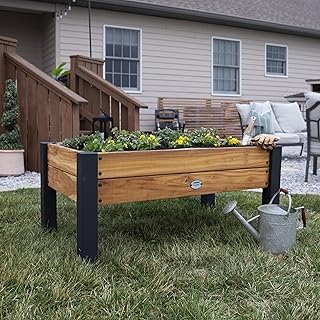
Best for: Gardeners who want premium teak with strong, stable legs for outdoor stability and insect resistance. This bed uses 100% Grade A teak, a water-repellent hardwood known for rot resistance. It includes galvanized steel legs and a mesh liner for added protection and durability. Selected for buyers prioritizing long-term beauty and durability in outdoor spaces.
- Why selected: Teak’s natural oils deter wood-eating insects and resist decay, extending life outdoors.
- Best feature: 5-year warranty adds peace of mind for long-term use.
- Limitation: Higher price point due to premium material.
MIXC Wooden Raised Garden Bed with Legs

Best for: Home gardeners seeking a robust, affordable elevated bed with a clear structural design and a durable waterproof finish on legs. The MIXC bed uses untreated fir wood with a reinforced frame and a 9-inch depth, offering solid space for vegetables, herbs, and flowers.
- Why selected: A beam-and-column structure increases overall strength, making it more resistant to warping than some lighter options.
- Best feature: The included waterproofed leg components help prevent leg rot during outdoor use.
- Limitation: Service life is listed around 3 years outdoors, depending on climate and maintenance.
YEFU Raised Garden Bed with Legs

Best for: Buyers prioritizing low-maintenance, long-lasting materials with ergonomic height. This bed uses 100% pure HIPS material to resist UV exposure and weathering, reducing the need for frequent replacements.
- Why selected: The waist-high height eliminates bending, reducing back strain during planting and maintenance.
- Best feature: Even drainage holes promote healthy root growth and prevent waterlogging.
- Limitation: Manufactured from plastic-based material; aesthetic and feel differ from wood for some buyers.
Elevated Raised Garden Bed-V Series by Vego garden

Best for: Gardeners seeking high-strength, high-capacity beds with a long lifespan and a cleaner finish. The VZ 2.0 steel construction is coated with verified AkzoNobel paint, delivering corrosion resistance and a 20+ year life in many climates.
- Why selected: One-piece welded corners and leg construction enhance stability and load-bearing capacity.
- Best feature: Adjustable capacity—2′ x 4′, 2′ x 6′, and 2′ x 8′ variants accommodate different garden layouts.
- Limitation: Steel construction can be heavier to move and set up compared to wooden beds.
DUMOS Raised Garden Bed with Legs

Best for: Gardeners wanting a traditional all-wood planter with good drainage and spacious planting capacity. The DUMOS bed is all-natural fir wood, designed for outdoor durability and weather resistance.
- Why selected: Generous 4.4 cubic feet planting space supports herbs, flowers, and vegetables.
- Best feature: Proper drainage holes and gaps promote healthy root growth and prevent waterlogging.
- Limitation: Natural wood may require more maintenance to preserve color and integrity over time.
Buying Guide
What to consider when choosing a teak raised garden bed:
- Material durability: Teak is naturally rot-resistant and oil-rich, which helps deter pests and weather damage. If you prefer a non-wood option, look for UV-resistant and rot-resistant plastics like HIPS with sturdy legs.
- Height and accessibility: Higher beds reduce back strain, especially for seniors or those with mobility concerns. Check if the legs and frame provide stable, level setup on uneven balconies or patios.
- Weight capacity: Larger beds with reinforced frames handle more soil and plants. Consider the weight you can safely place on your deck or patio when filled.
- Drainage and liners: Proper drainage holes and liners help prevent root rot and extend the life of the bed. Liners can also simplify soil changes and maintenance.
- Maintenance needs: Wood may require sealing or oiling to maintain appearance and durability. Plastic or coated metal options might require less ongoing upkeep.
- Assembly and warranty: Some beds include longer warranties or simpler assembly. A robust warranty can help offset the cost of premium materials like teak.
Frequently Asked Questions
- What’s the advantage of teak for raised beds? Teak is naturally oil-rich, water-repellent, and rot-resistant, which supports longevity in outdoor environments.
- Are elevated beds easier to use? Yes. Raised legs reduce bending and knee strain, making planting and maintenance more comfortable for many users.
- Do I need a liner for wooden raised beds? Liners protect wood from soil moisture and rot, and they can extend the bed’s life with heavy soils or wet climates.
- Can I move a raised bed after installation? Some beds are heavy and may require disassembly for relocation. Consider size and weight before moving.
- Which bed is best for beginners? A simpler, ready-to-assemble bed with straightforward drainage and a sturdy frame is often easiest for new gardeners.
- Do these beds require tools for assembly? Most kits come with hardware and instructions; check the product listing for exact assembly details.