Answering the question of which high-wheel self-propelled mower fits best starts with your yard type and preferred fuel type. This guide highlights five reliable options featuring large rear or high wheel designs for better traction, stability, and float over uneven ground. The listed models suit different needs—from small suburban lots to medium yards with slopes. The following table compares the core specs at a glance to help you decide quickly before reading deeper into each option.
| Product | Deck Width | Engine | Drive | |
|---|---|---|---|---|
| YARDMAX 22 in. YG2860 | 22 in | 201cc | CVT 6-speed | 3-in-1 |
| YARDMAX 24 in. 201cc | 24 in | 201cc | CVT 6-speed | 3-in-1 |
| PowerSmart 22 in. 170cc | 22 in | 170cc OHV | Rear-Wheel Drive | 2-in-1 |
| SENIX 21” Self-Propelled | 21 in | 170cc OHV | Self-Propelled | 3-in-1 |
| PowerSmart 21-inch 170cc | 21 in | 170cc OHV | Rear-Wheel Drive | 3-in-1 |
YARDMAX YG2860: High Wheel, CVT Mower
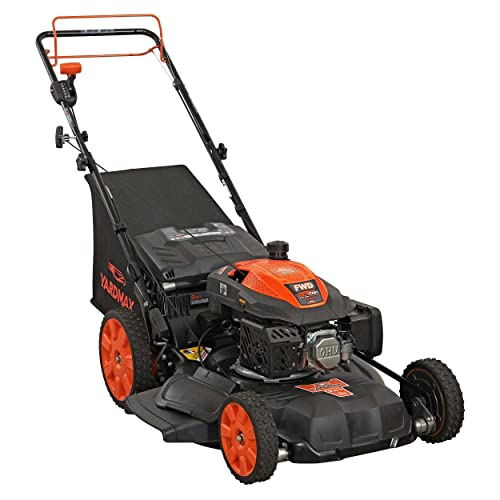
The YARDMAX YG2860 features an exclusive CVT (Continuously Variable Transmission) with 6 speeds to align mower pace with walking speed. It uses high-traction tires with a spiked tread pattern for better grip on uneven terrain. An automatic choke reduces starting steps, making ignition easier. This model is best for small to medium yards where precise speed control and traction on slopes matter most. Limitations include the CVT complexity, which may require attentive maintenance over time.
YARDMAX 24 in. High Wheel Self-Propelled

This 24-inch model keeps the same CVT 6-speed concept and introduces a larger deck for faster coverage on mid-to-large lawns. The one-piece seamless steel deck minimizes vibration, contributing to a smoother mowing experience. Best for homeowners with larger flat or gently rolling yards who want fewer passes. A potential drawback is heavier handling on very tight corners due to the wider deck.
PowerSmart 22-Inch, 170cc

The PowerSmart 22-inch model pairs a 170cc OHV engine with a rear-wheel-drive system for solid traction on slopes and uneven ground. The 22-inch steel deck ensures durability, and the single-speed drive is simple to operate. It’s best for medium yards with occasional slopes where ease of starting and steady propulsion are priorities. A limitation is the single speed, which may require more manual adjustment on frequent changes in terrain.
SENIX 21” Self-Propelled, 170cc

The SENIX 21-inch mower balances a 170cc OHV engine with a 1.7-bushel bagger and a 3-in-1 system (mulching, side discharge, rear bagging). Its 6-position cutting height helps tailor performance for different grasses. It’s ideal for small to medium yards where maneuverability and crisp cut quality are essential. A caveat is that its smaller deck may require more passes in dense or tall growth.
PowerSmart 21-Inch 170cc 3-in-1

This PowerSmart 21-inch model emphasizes a 170cc OHV engine with a 3-in-1 system (bagging, mulching, rear discharging). A 22-inch version exists for larger yards, but this 21-inch offers tighter turning and better control in smaller spaces. Best for gardeners who want flexibility in clippings handling. A limitation is that the 21-inch size may slow progress in very large lawns compared to wider decks.
Buying Guide: Key Purchase Considerations
- Deck size and yard coverage: Choose deck width that matches your yard. Larger decks cover more ground but require more storage and may be harder to maneuver in tight spaces.
- Drive system and terrain: CVT with multiple speeds is ideal for varying walking speeds and slopes. Rear-wheel drive helps on inclines but can be trickier on very slick surfaces.
- Engine type and maintenance: OHV engines are common and reliable, but check for auto choke and ease of starting. Regular maintenance includes oil changes and filter checks.
- 3-in-1 vs 2-in-1: Decide if you need bagging, mulching, or rear discharge. 3-in-1 systems offer more flexibility for lawn care routines.
- Weight and storage: High-wheel models tend to be heavier; ensure you have space to store and handle the mower safely.
- Durability features: Look for steel decks and robust wheel assemblies for long-term use and resistance to rust or damage.
- Maintenance and parts availability: Choose brands with widely available replacement parts and service networks.
FAQ
- What is a high-wheel self-propelled mower best for?
High-wheel mowers provide better traction, stability, and ground clearance on uneven or sloppy terrain, reducing the chance of scalping the lawn.
- Do CVT mowers require special maintenance?
CVT systems need periodic belt inspection and proper tensioning, plus standard engine care. Follow the manufacturer’s maintenance schedule for best results.
- Is a 3-in-1 mower worth it for small yards?
Yes, if you regularly mulch, bag, or discharge clippings. The added versatility helps tailor mowing to lawn conditions and clippings management.
- Which mower is easiest to start?
Models with automatic choke and electric or recoil starters tend to start more easily. Look for auto choke as a feature in product descriptions.
- What should I consider before choosing a deck size?
For small yards, 21–22 inches is usually enough and more maneuverable. For larger yards, 24 inches or more can reduce mowing time.