Answering the buyer’s search for small rocks for succulents, this guide highlights easy-to-find gravel options that improve drainage, prevent root rot, and add visual appeal. Ideal for beginners, hobbyists, and indoor gardeners, these picks suit pots, terrariums, and terraced planters. Use this list to compare size, versatility, and best-use scenarios at a glance.
The top picks below are selected for: practical drainage benefits, decorative versatility, and suitability for succulents and cacti. Consider your plant size, pot type, and whether you want mixed colors or uniform stones. A quick reference table summarizes each product at a glance.
| Product | Stone Size | Best For | Notes |
|---|---|---|---|
| YISZM White Pebbles | 1/5 inch | Top layer or drainage bottom | Bright, versatile; great for light-colored décor |
| YISZM Jade Pebbles | 3/8 inch | Vases, planters, mixed plant displays | Natural decorative with larger size |
| Sukh Mixed Color Pebbles | 1/5 inch | Colorful surface accents | Color variety adds visual interest |
| FANTIAN 3/8 Pebbles | 3/8 inch | Top or bottom drainage for small pots | Balanced size for many succulents |
| Pulovin 2.5 lbs Rocks | 1/5 inch | Indoor plants, vases, crafts | Wide color options; versatile for décor |
YISZM White Pebbles for Succulents

Size: about 1/5 inch; packaged in a 2-pound bag. Use on top of plants or at the bottom to improve drainage and prevent overwatering. These decorative pebbles are versatile for vases, planters, gardens, walkways, rooftops, and even aquariums.
Best for: buyers who want a bright, uniform look for light-colored decor and small pots. Choose this if you prefer a classic white accent in mixed plant displays. A caution: very bright tones may show dirt more quickly than darker stones.
YISZM Jade Pebbles, 3/8 Inch
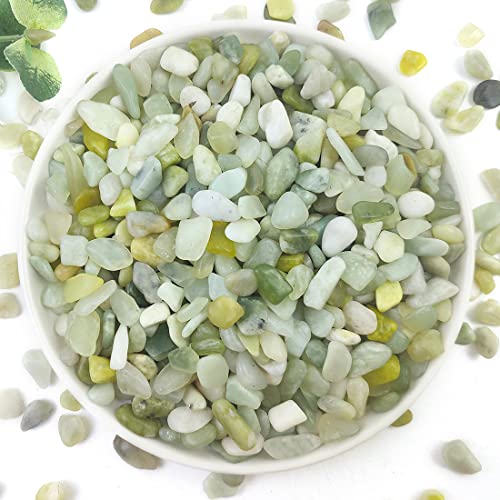
Size: about 3/8 inch; packaged in a 2-pound bag. These stones are ideal for succulent and cactus displays in vases, planters, and outdoor pots. They provide drainage and help prevent root rot when used at the bottom or top of soil.
Best for: buyers wanting a natural, earthy look with a slightly larger stone size. Use for mixed plant arrangements or as a focal top layer. Limitation: larger pebbles may shift more in taller pots during watering.
Sukh Mixed Color Pebbles for Succulents

Size: 1/5 inch; 420 grams total. These mixed color pebbles function as drainage media and decorative accents. Suitable for indoor plant displays, pathways, and even fish tanks. Pebbles are described as smooth and hardy for varied uses.
Best for: buyers who want a colorful, textured surface in planters or terrariums. Use to add charm to pots, while aiding drainage. Caution: color variance may differ between batches, affecting uniformity of color in displays.
FANTIAN 3/8 Inch Polished Pebbles

Size: 3/8 inch; package includes 1 pound of colorful pebbles. Use on top of succulents to decorate and reduce soil splatter during watering. Bottom placement improves drainage and protects roots.
Best for: buyers seeking a mid-sized pebble with decorative appeal for cacti and small plants. Great for floral arrangements and DIY crafts. Limitation: lighter colors may show mineral dust; regular rinsing is advised before first use.
Pulovin 2.5 Lbs Drainage Rocks

Size: 1/5 inch to 3/8 inch; 2.5 pounds. Widely used for aquariums, terrariums, vases, and crafts. The stones help with drainage, can decorate bamboo arrangements, and offer multiple color options.
Best for: buyers wanting versatile, budget-friendly stones with many color and size options. Choose this if you want a mix that can be used across several projects. Limitation: not all colors may match every décor style; plan color scheme in advance.
Buying Guide: Key Purchase Considerations
What size should I choose for succulents?
Smaller sizes (1/5 inch) work well for tiny pots and terrariums, while 3/8 inch pebbles suit standard succulent containers. Larger pebbles provide more visual impact but may shift in deeper pots.
Colored vs. natural pebbles: which is better?
Colorful pebbles add visual interest and can highlight plant colors. Natural tones blend with most décor and can look more subtle. Consider the pot’s color and plant palette when choosing color balance.
Where should I place stones in the pot?
Use a bottom layer to aid drainage and a top layer to prevent soil splash during watering. For top-dressing, lighter colors can brighten the display; for bottom layers, darker tones may help with soil visibility.
Are these rocks safe for all succulents?
Most decorative gravels are inert and safe for common succulents and cacti. Wash new stones before use to remove dust and residues. Avoid sharp-edged stones that could injure delicate roots during planting.
Maintenance and care considerations
Rinse pebbles before first use and periodically rinse to remove dust. Reassess top-dressing over time to maintain moisture balance and aesthetics. In terrariums, monitor condensation as pebbles can affect airflow.
Frequently Asked Questions
- What size gravel is best for succulents?
- Can I use pebbles in outdoor succulent beds?
- Do colored pebbles affect soil moisture?
- Should I rinse pebbles before use?
- Are there any safety concerns for pets or children?
Typically 1/5 inch to 3/8 inch works well, depending on pot size and plant type.
Yes, pebbles can decorate paths or topdress beds to improve drainage and reduce weed growth, but ensure stone color suits the garden style.
No, pebbles are inert; they do not wick moisture. They mainly impact drainage and surface appearance.
Yes. Rinsing removes dust and reduces debris in pots and terrariums.
Small pebbles can be a choking hazard; use in inaccessible areas or choose larger sizes for homes with curious pets or children.