Finding an effective, low-maintenance way to water houseplants, patios, or garden pots is essential for busy owners. This article highlights cotton-based watering ropes and related self-watering cords, focusing on products that use natural fibers or cotton-rich materials for steady capillary action. The selections below are best for plant owners who want a simple, reusable method to keep soil consistently moist without daily watering. Each option is analyzed for who it’s best for, plus practical cautions to help you choose confidently.
| Product | Brand | Length | Diameter | Best For |
|---|---|---|---|---|
| MAQIHAN Self Watering Rope | MAQIHAN | 50 Feet | 1/4 Inch | Busy households, compact planters, and DIY irrigation setups |
| ORIMERC 60 Feet Self-Watering Wick Cord | ORIMERC | 60 Feet | 1/6 Inch | Kitchen windowsill to outdoor pots, flexible length options |
| ORIMERC 100 Feet Self-Watering Rope | ORIMERC | 100 Feet | 1/4 Inch | Larger planters and extended vacation runs |
| Acoeitl 49.2 Feet Self-Watering Wick Cord | Acoeitl | 49.2 Feet | 1/4 Inch | Vacation care and precise plant hydration |
| Amazon Basics Natural Cotton Braided Rope | Amazon Basics | 50 Feet | 3/16 Inch | General-purpose indoor/outdoor tasks and DIY projects |
Below are five detailed product sections to help you compare durability, ease of use, and watering performance. Each entry includes who it’s best for, potential limitations, and how it fits into a simple, reliable self-watering setup.
MAQIHAN Self Watering Rope

The MAQIHAN self-watering rope uses capillary action to deliver moisture from a water source into soil. One end sits in the pot soil, the other in a water container, dripping steadily to maintain soil moisture. Best for small to medium pots, or where a simple, re-usable wick is preferred for daily plant care. It is reusable—washable and designed for repeated cycles.
- Best for: Busy households or homes with light to moderate plant collections needing steady moisture without daily attention.
- Why chosen: Clear self-watering principle, easy setup, and reusable design reduce watering frequency and waste.
- Limitations: Drip rate depends on water source and rope length; may require adjustment for very fast-draining soil.
ORIMERC 60 Feet Self-Watering Wick Cord

ORIMERC’s 60-foot wick cord provides a low-cost, DIY path to automatic watering. A wide range of water containers can be used, and dripping typically begins once the rope is fully soaked. It’s designed to be durable and reusable, reducing the need for frequent replacements.
- Best for: Plant owners who want flexibility with water containers and straightforward setup.
- Why chosen: Flexible container compatibility and simple drip control—great for varied planter sizes.
- Limitations: Drip timing may vary with container height and reservoir size; keep the rope fully soaked for immediate dripping.
ORIMERC 100 Feet Self-Watering Rope

This longer cord is suitable for larger planters or multiple pots linked to a common water source. Made from durable polyester, it emphasizes long-term use and consistent moisture delivery. It’s positioned as an economical self-watering solution for extended stays away from home.
- Best for: Enthusiasts with bigger plant collections or needs spanning several pots.
- Why chosen: Long length supports scalable setups and less frequent replenishment checks.
- Limitations: Polyester-based rope; not strictly cotton—note for buyers prioritizing natural fibers.
Acoeitl 49.2 Feet Self-Watering Wick Cord
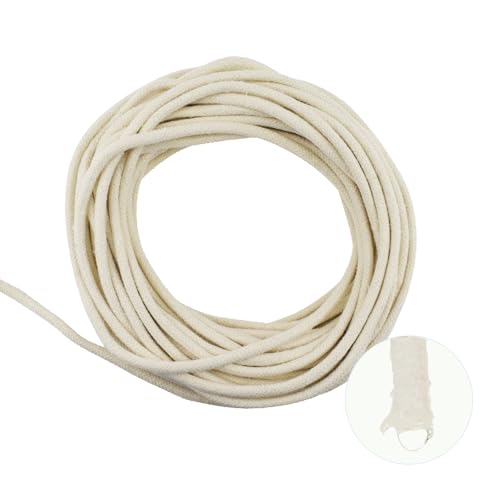
Acoeitl emphasizes cotton-like performance with a 49.2-foot length and 1/4-inch diameter. The wick is designed to deliver moisture precisely via capillary action, suitable for vacations or business trips. It’s recommended for dry environments and water conservation.
- Best for: Plant owners seeking precise, gradual watering while away from home.
- Why chosen: Cotton-based performance and straightforward DIY setup for reliable moisture delivery.
- Limitations: The length is fixed; shorter or longer setups require cutting, which may affect performance if not properly soaked.
Amazon Basics Natural Cotton Braided Rope
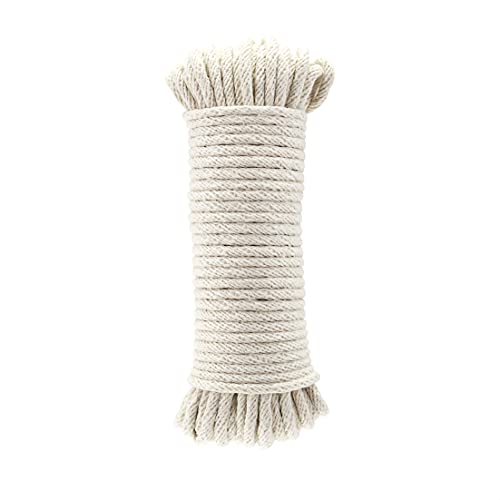
Amazon Basics offers a braided cotton rope with a synthetic core for added strength. Although not a dedicated self-watering wick, its cotton composition makes it a solid base material for DIY watering arrangements and other planter projects. It’s versatile for indoor and outdoor use.
- Best for: General-purpose projects and DIY irrigation setups where a cotton base is preferred.
- Why chosen: Natural cotton feel with a durable core, suitable for a range of home tasks beyond watering.
- Limitations: Not a dedicated self-watering wick; performance depends on setup and water source orientation.
ORIMERC 30 Feet Mixed-Size Self-Watering Wick Rope

This kit includes multiple wick sizes (1/4″, 1/5″, 1/6″, 1/8″, 1/12″) for flexible watering control across several pots. The polyester fiber wick is reusable and designed to be easy to maintain, with a PH-balanced formulation for plant safety.
- Best for: Mixed planter setups or users who want to tailor dripping rates by size and length.
- Why chosen: Versatility across different pot sizes without acquiring multiple separate products.
- Limitations: Requires more planning to optimize drip rate for each plant size and soil type.
Buying Guide: Cotton Rope Watering Essentials
Key purchase considerations help you pick the right self-watering rope for your plants. Use these quick checks when comparing options.
- Material and fiber: Preference for 100% cotton or cotton-based wicks supports natural capillary action and easier cleaning. Some options mix polyester for durability—consider your plant sensitivity and cleaning needs.
- Length and diameter: Longer lengths support larger setups or multiple pots; diameter affects water flow rate. For most houseplants, 1/4 inch offers steady drip; smaller diameters drip more slowly.
- Water source compatibility: Ensure the rope can reach a convenient reservoir or bottle. Flexible options help in households with varied drinking water containers or decorative containers.
- Durability and reuse: Look for washable, reusable cords to extend life across seasons. Avoid materials that degrade quickly in soil or sun exposure.
- Maintenance and cleaning: Wicks should be easy to rinse and re-soak before reuse. Reusable cords reduce waste and ongoing costs.
- Plant type and soil: For soil with excellent drainage, monitor moisture closely; for sandy soils, ensure consistent moisture delivery. Dense potting mixes may require slightly larger diameters for effective capillary action.
Practical Setup Tips
- Pre-soak the wick: Soaking the rope before first use helps achieve immediate dripping when placed in soil.
- Place endpoints thoughtfully: One end in the water reservoir, the other end in the plant soil near the roots for best absorption.
- Adjust with knotting: Tie knots to slow or speed up water flow if needed, especially for larger pots or higher drainage soils.
- Regular checks: Periodically inspect the rope to ensure it remains submerged and unobstructed by soil clumps.
Frequently Asked Questions
- What is the main benefit of a cotton rope watering system?
It uses capillary action to move water from a reservoir to plant roots, helping maintain consistent moisture with minimal daily intervention. - Can I use any cotton rope for self-watering?
Plain cotton rope can work as a wick, but dedicated self-watering cords often combine materials for durability and predictable drip rates. - How long can a DIY self-watering system run without attention?
It depends on the reservoir size and plant water needs. Refill the reservoir as needed to maintain steady moisture. - Is it safe for edible plants?
Materials listed are designed to be plant-safe; verify any additives or treatments if growing edible crops. - Do these systems prevent overwatering?
They provide steady moisture, but monitoring is advised to prevent overly wet soil, especially in pots with poor drainage. - Which option is best for a busy home with many pots?
Longer cords or mixed-size kits from ORIMERC and MAQIHAN offer scalable setups for multiple planters.