Answer: For American gardeners seeking effective pest protection without sacrificing sunlight or air, high-density, ultra-fine garden netting is the best choice. This article highlights top-value options that shield vegetables, fruits, and flowers from birds, insects, and small animals while staying breathable. Each product targets different garden sizes and pest concerns, helping you pick the right fit for your space and crop types.
| Product | Best For | Mesh Size | |
|---|---|---|---|
| SnugNiture Garden Netting 10x33FT | Small to medium gardens; general bird and pest protection | 0.1 mm x 0.1 mm | Lightweight; see-through; outdoor durability |
| RIFNY Garden Netting 2 Pack 10x33FT | Expanded coverage; raised beds and rows | 0.04 inch | Two nets per package; easy watering through mesh |
| Unves 10’x20′ Garden Netting | Smaller plots and containers; versatile use | Not stated, fine mesh | Easy drape; clip/weight secure |
| YNERHAI 2 Pack 10x30FT Garden Netting | General garden protection; best value per foot | 0.04 inch | Ultra-fine; promotes photosynthesis |
| Garden Netting Pest Barrier 4’x10′ | Raised beds and greenhouses; precise row covers | 0.04 inch | Durable; UV resistant; multipurpose |
SnugNiture Ultra-Fine Garden Netting 10x33FT

What it is best for: Small to mid-sized gardens needing reliable bird and pest protection without blocking sunlight. Suitable for vegetables, fruits, and flowers in outdoor plots or greenhouses.
Why selected: Ultra-fine 0.1 mm mesh allows water, light, and air to pass while deterring pests. The 10×33 ft footprint provides substantial coverage, and the material is described as waterproof and sun-proof for outdoor longevity.
How it helps growth: The see-through design minimizes shading, helping photosynthesis continue unimpeded while creating a barrier against birds and larger pests.
Important caveat: As with any mesh cover, ensure the net is secured to avoid wind flapping or displacement on very windy days.
RIFNY Garden Netting 2 Pack 10x33FT Ultra Fine Mesh

What it is best for: Garden plots that need broad area coverage with minimal maintenance, including raised beds and borders around crops needing protection from birds and some pests.
Why selected: Includes two 10×33 ft nets with a fine mesh that allows sunlight and air through while providing a barrier against birds and insects. The design supports easy watering without removal.
How it helps growth: High permeability reduces microclimate issues, aiding consistent moisture and light exposure.
Important caveat: The packaging notes indicate this is a single package with two nets inside; verify contents to avoid surprises on arrival.
Unves 10’x20′ Garden Netting

What it is best for: Smaller gardens, nurseries, and patios that require flexible draping over crops for protection from birds and pests while allowing airflow.
Why selected: Durable PE material with waterproof and sun-proof properties; breathable and easy to secure with clips or weights for stability.
How it helps growth: Transparent and breathable fabric keeps photosynthesis unimpeded while reducing pest pressure.
Important caveat: Mesh size not explicitly stated; confirm suitability for very fine pests if needed.
Pynqdfu 10x50FT Garden Netting

What it is best for: Large plots, orchards, and extended garden rows needing long, continuous coverage.
Why selected: Very long 10×50 ft roll with ultra-fine mesh that promotes water and light transmission while shielding crops from birds and pests.
How it helps growth: The material is described as lightweight yet durable, supporting repeated outdoor use across seasons.
Important caveat: Longer nets can be harder to manage in strong winds; consider additional anchoring for exposed sites.
Garden Netting Pest Barrier 4’x10′
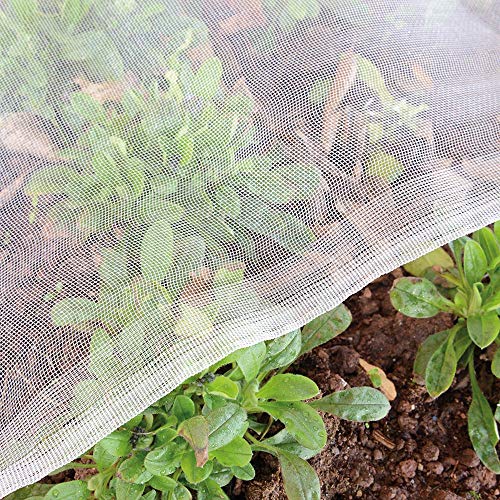
What it is best for: Raised beds and greenhouse row covers where precise, tight protection is needed against cicadas, aphids, and birds.
Why selected: HDPE mesh with 0.04 inch ultra-fine size; durable, UV-resistant, and designed with a tight selvedge to prevent unraveling.
How it helps growth: Keeps crops shielded from a broad spectrum of pests while preserving airflow and light penetration.
Important caveat: Might be more suitable for controlled garden beds than large open spaces.
Buying Guide
What mesh size do you need? Finer mesh (around 0.04 inch or 0.1 mm) blocks smaller insects and some birds while keeping airflow open. Larger pests may require additional measures or sturdier frames.
What garden size and layout do you have? For long rows or multiple beds, consider roll nets (10×33 ft or 10×50 ft) to reduce seams. Smaller plots can use shorter covers or multi-pack options.
How will you secure the netting? Options include clips, weights, soil pins, or tarps to prevent wind displacement. Ensure the setup allows easy access for watering and pruning.
Is water and sunlight access important? Prefer permeable meshes that permit water and light to pass through, maintaining healthy photosynthesis and irrigation efficiency.
Durability and reuse Look for UV-resistant HDPE or PE materials designed to withstand sun exposure and repeated use across seasons. Check for tight hems and reinforced edges to prevent tearing.
Wind and weather considerations In windy areas, plan for robust anchoring and consider shorter spans or attached frames to mitigate movement and damage.
FAQ
- Will these nets stop all pests? They block many birds and insects, especially larger pests, but some very small insects may slip through very fine meshes; combine with proper spacing and garden sanitation for best results.
- Can I water my plants with a net over them? Yes. Most ultra-fine nets are designed to allow water through; just ensure you can access plants for irrigation without removing the cover.
- Are these nets safe for plant growth? Yes. Breathable, light-permitting nets reduce pest pressure while preserving photosynthesis and airflow.
- How do I choose between single nets and packs? Packs (two or more nets) offer extended coverage for larger plots or multiple beds; singles may be enough for small spaces or a single row.
- Will nets affect pollinators? Netting can reduce some pollinator access if not placed carefully. Plan netting for saleable crops while leaving openings for pollination where needed.
- How long do these nets last? With proper care, UV-stable HDPE/PE nets can be reused across seasons; inspect for wear and tear and replace damaged sections promptly.