Finding grass seed that thrives in shade helps transform dim, sprinkler-fed corners into a healthy, green patch. This guide targets the best options for shade-tolerant lawns, including Tall Fescue, Fine Fescue, and shade-ready blends. Ideal buyers are homeowners seeking dense shade coverage, patch repair, or low-sun lawn restoration. Below is a quick snapshot of five top products and how they fit different shade scenarios.
| Product | Shade Suitability | Best For | |
|---|---|---|---|
| Pennington Smart Seed Dense Shade Grass Mix | Dense shade tolerated | Areas with limited sunlight | Includes fertilizer for establishment |
| Scotts Turf Builder Rapid Grass Tall Fescue Mix | Partial shade to sun | Large problem areas, fast results | Seed plus lawn food in one |
| Jonathan Green Black Beauty Dense Shade | Shade-tolerant cool-season seed | Dark-green, dense shade lawns | Quick germination window |
| Scotts EZ Seed Patch & Repair Sun & Shade | Shade and sun coverage | Bare spots and lawn patch repair | Seed, mulch, and fertilizer in one |
| Scotts PatchMaster Sun + Shade Mix | Sun and moderate shade | Bare spots and lawn repair | Mulch included for moisture retention |
Pennington Smart Seed Dense Shade Grass Mix
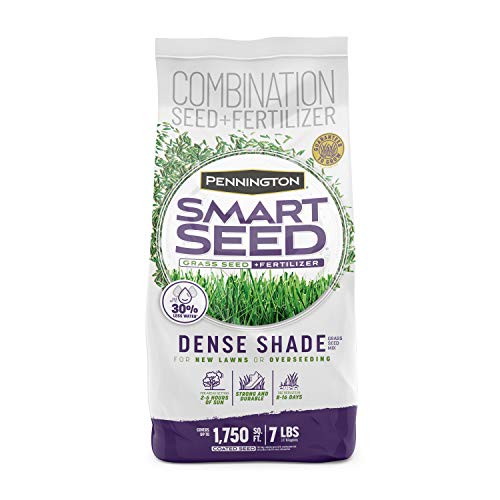
Pennington’s Dense Shade mix blends Tall Fescue and Fine Fescue to tolerate low light. It’s designed to grow thick and green in areas that receive little sun and includes a precise fertilizer balance to support establishment. Best for: lawns with long-standing shade under trees or near buildings where sunlight is limited.
Why selected: This mix targets shade with a balanced fescue blend, promoting density and improved shade tolerance. A caution: results depend on consistent watering and degree of shade; too little light may limit performance.
Scotts Turf Builder Rapid Grass Tall Fescue Mix
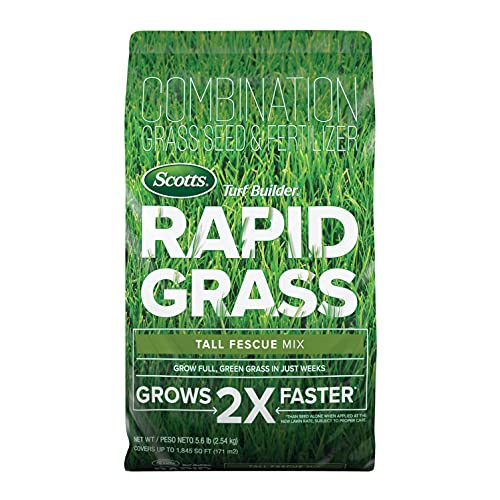
This mix combines tall fescue seed with lawn fertilizer to promote rapid green growth, claiming faster establishment compared with seed alone. Best for: homeowners seeking quick coverage after lawn damage or establishing new turf in large areas with partial shade.
Why selected: The all-in-one seed and fertilizer approach can speed up establishment, helping curb mud or bare patches in shade-prone zones. A caution: “rapid growth” assumes proper care; neglecting irrigation or overwatering can reduce results.
Jonathan Green Black Beauty Dense Shade Seed

Jonathan Green’s shade-tolerant seed is designed for areas with limited sun, aiming to deliver a dark-green, dense lawn. Germination is typically observed within 14–21 days, with endophyte presence noted in this blend. Best for: shade-heavy patches where a rich color and density are priorities.
Why selected: Focused on shade tolerance and rapid establishment, this option supports dense turf under trees or near structures. A caution: success depends on adequate moisture during the critical germination window.
Scotts PatchMaster Lawn Repair Mix Sun + Shade

PatchMaster combines seed, mulch, and lawn fertilizer in one product for bare spot repair in sun or shade. It’s designed to start growing within seven days and feed for up to six weeks, with mulch aiding moisture retention. Best for: quick patch repairs on lawns with mixed sun exposure.
Why selected: A practical all-in-one option for repairing patches; the included mulch helps stabilize seed until germination. Caution: patch success depends on keeping the area consistently moist during establishment.
Scotts EZ Seed Patch & Repair for Sun and Shade
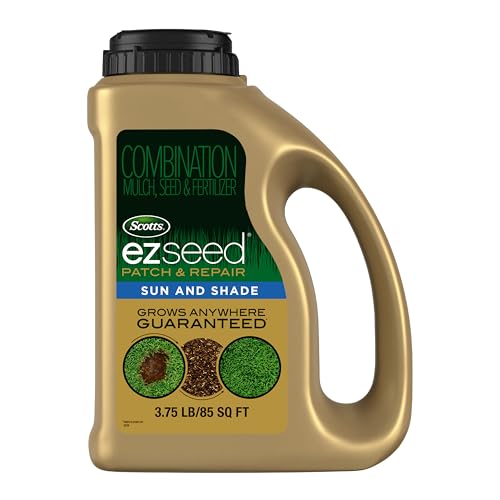
EZ Seed Patch & Repair blends high-performance seed with expanding mulch, controlled-release fertilizer, tackifier, and a protective layer. It’s built to grow in tough conditions, including full sun and dense shade. Best for: quick, all-in-one repair across various shade levels, including slopes.
Why selected: The product’s integrated components simplify patching and improve seed retention. Caution: shade tolerance varies with weather; ensure proper watering during establishment.
Buying Guide: Shade-Tolerant Grass Seed Essentials
Key questions help identify the right shade-tolerant seed for your yard. Consider climate, soil, and the amount of daily sun exposure each area receives.
What blend should I choose for dense shade?
Look for blends that combine fine fescue or tall fescue with shade-tolerant grasses. Fescue varieties typically perform well in partial to dense shade and maintain a soft texture under tree canopies.
Is seed + fertilizer better for shady areas?
Seeding products that include fertilizer can help seedlings establish quickly, but successful results still require consistent moisture and proper mowing height to prevent stress on young turf.
How important is mulch or soil improver?
Mulch or soil improver reduces desiccation, maintains soil moisture, and protects seeds during germination. It’s especially helpful in patches prone to sun and shade fluctuations.
What maintenance helps shade-grown turf thrive?
Water deeply but infrequently to encourage deep roots, mow at higher heights to reduce stress, and avoid heavy foot traffic on newly seeded areas until established. Use slow-release fertilizers when possible to sustain growth in low-light conditions.
How long does shade-friendly seed take to establish?
Germination times vary by blend; expect 7–21 days for seedlings to emerge in favorable conditions. Full establishment typically unfolds over 4–8 weeks, depending on moisture and temperature.
What are common limitations of shade-tolerant seeds?
Even shade-tolerant varieties require some sunlight. In deep shade, growth may be slower, with thinner turf and a higher risk of weed intrusion if the area isn’t properly established.
How should I compare these products?
Compare based on shade tolerance, germination time, soil conditioner, and whether the product includes fertilizer or mulch. Also consider patch-repair capabilities and suitability for your lawn’s sun exposure pattern.
FAQs
- What seed mix is best for shade under trees? — Dense shade mixes with fine fescue or tall fescue are typically best for shaded areas under trees.
- Can I seed in partial shade during hot summers? — Yes, but ensure moisture is sufficient and avoid heat stress by choosing shade-tolerant blends and proper mowing heights.
- Do shade seeds need frequent watering? — Newly seeded patches require consistent moisture, especially during germination and establishment.
- Is seed plus fertilizer necessary for shade? — It can help speed establishment, but proper watering and mowing practices are equally important.
- Will mulch help every shaded repair project? — Mulch aids moisture retention and seed cover, particularly in patches with variable sun exposure.