Finding an effective fly trap without harsh chemicals is possible with plastic bottle designs. This guide highlights five practical bottle-based traps that suit kitchens, patios, barns, and gardens. The top picks are best for homeowners seeking easy setup, reusable options, and low-waste solutions. Each product section explains who it’s best for, why it stands out, and any limitations to note. Use the buying guide to compare features like size, reusability, attractiveness, and placement considerations before purchasing.
| Product | Best For | Key Benefit |
|---|---|---|
| 2.5″ H Bottle Insect Fly Traps – Set of 6 Blue (Fits Standard 2 Liter Bottles) | Small kitchens and indoor spaces | Fits standard 2L bottles; reusable; easy to fill |
| Fly-On-In, Fruit Fly Bottle Top Trap – Reusable Non-Toxic Indoor/Outdoor Catcher (Yellow, 2 pcs) | Fruit fly-prone areas | Non-toxic; discreet yellow lure |
| 4 Pack Fly Traps Outdoor with 4 Natural Fly Bait Refill | Outdoor spaces large and open | High cap. for outdoor use; reusable |
| 3 Pack Reusable Fly Traps Outdoor Bottles | Patios, gardens, and barns | Yellow and blue attractants; reusable |
| Qualirey 4 Pack Fruit Fly Trap Refill Liquid | Indoors with open containers | Liquid attractant; long-lasting refills |
2.5″ H Bottle Insect Fly Traps – Set of 6 Blue
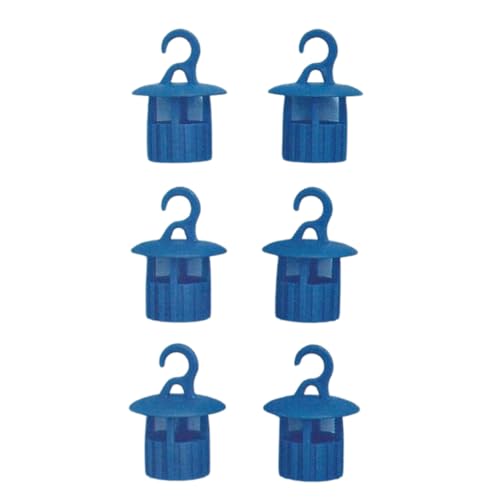
Product overview: This set is designed to fit standard 2-liter bottles, enabling quick conversion of everyday bottles into traps. It’s reusable year after year and emphasizes an eco-friendly approach with no pesticides required. Best for: small kitchens, pantries, or indoor workspaces where a discreet trap is preferred. Why selected: The 2-liter bottle compatibility makes it a versatile DIY option for users who want to repurpose common bottles. Caution: Not suitable for gallon-size bottles, and proper seal is essential to prevent leaks.
Fly-On-In Fruit Fly Bottle Top Trap

Product overview: A reusable, non-toxic option designed to fit most glass bottles like wine, beer, soda, or water bottles. It uses a small entry opening that lures flies in but makes escape difficult. Best for: kitchens, bars, or restaurants where a discreet, aesthetic trap is desired. Why selected: It provides a simple, quick setup without pesticides and is easy to move between spaces. Caution: It is not a stand-alone bottle; you need a bottle to attach it to.
4 Pack Fly Traps Outdoor with 4 Natural Fly Bait Refill

Product overview: This outdoor system uses scientifically configured attractants and yellow coloring to lure flies into a bottle where they drown. It’s reusable with replaceable bait refills and water. Best for: large outdoor areas like farms, barns, and patios where persistent flies are an issue. Why selected: High capacity and visible color cues improve attraction outdoors. Caution: Requires regular maintenance to empty carcasses and replace attractants to maintain effectiveness.
3 Pack Reusable Fly Traps Outdoor Bottles by Glovv

Product overview: This trio emphasizes a yellow and blue dual-attraction approach to entice flies, with the option to reuse by rinsing and refilling. Best for: patios, gardens, stables, and other outdoor spaces where ongoing fly control is needed. Why selected: The color strategy aligns with proven visual preference for flies and combines with scent lure. Caution: The kit relies on separate bait refills to sustain effectiveness over time.
Qualirey 4 Pack Fruit Fly Trap Refill Liquid

Product overview: These liquid refills are designed to attract fruit flies with a natural formula and can be used in open-style containers like bowls or ramekins. Best for: indoors near produce, kitchens, or countertops where fruit flies persist. Why selected: Provides ongoing attraction with a 4-bottle set, enabling longer protection without frequent replacements. Caution: Liquid can spill if not placed in a stable container or kept away from food prep surfaces.
Buying Guide: How to Choose the Right Bottle Trap
What size bottle fits best for my space?
Answer: Consider indoor vs. outdoor use and whether you prefer to repurpose existing bottles (2-liter size is common) or want a purpose-built trap. Larger outdoor setups often require more bait and regular maintenance.
Should I choose reusable traps or disposable options?
Answer: Reusable traps reduce waste and long-term cost, but they require cleaning and refilling. Disposable traps are convenient for temporary needs or rental spaces but create more waste.
What attractant type works best for my household?
Answer: Visual cues (yellow/blue) combined with attractants are effective. For fruit flies, scent-based refills or liquids are common. For general flies, multiple attractants and strong placement can improve results.
Where should I place bottle traps to maximize effectiveness?
Answer: Place traps away from food prep areas but near entry points such as countertops, trash cans, doors, and compost areas. Keep outdoor traps at least 20 feet from living spaces to avoid indoor attraction.
How often should traps be checked or refilled?
Answer: Check weekly in warm weather. Refill liquids every 4–6 weeks or sooner if the bait runs dry, and replace water as needed to maintain efficacy.
FAQ
- Can I use these bottle traps indoors without risk?
- Are these traps effective for all fly species?
- Do these traps require electricity or batteries?
- How long do the refills last?
- Are the traps safe around pets and children?
- What’s the best practice for outdoor use?
Yes, several options are designed for indoor use with non-toxic attractants. Always follow the product’s setup instructions to minimize spills and contact with food.
Effectiveness varies by species. Yellow-and-blue attractants and liquid baits typically target common houseflies and fruit flies, but results depend on placement and population.
No. All listed traps operate passively through lure design and bottle structure, making maintenance minimal.
Most liquid refills last about 4–6 weeks under typical indoor conditions, longer in cooler environments and shorter in hot, humid spaces.
Most products avoid pesticides and use non-toxic attractants, but keep traps out of reach of small children and pets to prevent accidental ingestion or tipping.
For outdoor application, place traps away from living areas, near fly-prone zones like barns, compost, or garbage areas, and ensure they are kept above ground level to deter scavenging by animals.