Direct answer: For spider mite control, use predatory mites and natural miticides that target two-spotted spider mites and related species. The top options below include mixed predatory mite blends designed for indoor and outdoor use, plus a plant-safe, ready-to-use spray for rapid relief. This guide helps buyers choose the right product based on infestation level, space, and safety needs. The following selections are best for indoor gardens, greenhouses, patios, and houseplants where spider mites are a concern.
Summary table of chosen products
| Product | Best For | Notes |
|---|---|---|
| 2,000 Live Adult Predatory Mite Mix – Special Blend | Small to medium indoor spaces | Triple blend with A. cucumeris, N. californicus, P. persimilis, A. swirskii |
| Bug Sales 2,000 Live Adult Predatory Mites | Infestations with multiple mite types | Ships next business day; 5–10 mites per ft² |
| 10,000 Predatory Mite Blend Bottle | Larger areas or ongoing farms | Mixed species including N. californicus, P. persimilis, A. swirskii |
| Bug Sales 5,000 Live Adult Predatory Mites | Moderate to dense spider mite pressure | Ships next business day; 5–10 mites/ft² |
| Mite Treatment Spray – 16 oz (USKICH) | Immediate knockdown and prevention | Natural, non-toxic, safe for homes with kids and pets when used as directed |
2,000 Live Adult Predatory Mite Mix – Special Blend Mix

Best for small indoor grow spaces or home gardens needing rapid action against multiple mite species. This special blend usually contains A. cucumeris, N. californicus, P. persimilis, and A. swirskii, offering broad-spectrum predation on Two Spotted Spider Mites, Broad Mites, Rust Mites, Russet Hemp Mites, Cyclamen Mites, and Southern Red Mites. The mix is shipped overnight, enabling quick deployment after discovery of an infestation. Suitable for hobbyists and small-scale growers who want a ready-to-release blend with diverse predatory capabilities.
Who it’s best for: small-scale indoor growers and gardeners who want a fast, all-in-one solution with several predator species. Why chosen: broad mite and spider mite targeting across several species improves odds of stopping spread quickly. Limitation: precise release rates can vary; monitor mite levels and reapply as infestations persist.
Bug Sales 2,000 Live Adult Predatory Mites
Best for moderate to dense mite problems in larger indoor areas or greenhouse spaces where multiple mite species may be present. This mix emphasizes natural biocontrol agents against Two Spotted Spider Mites, Broad Mites, Russet Mites, Rust Mites, and more. Release every other week until the infestation subsides. The product note suggests a rate of 5–10 mites per square foot, making it a practical choice for ongoing control rather than a one-time treatment.
Who it’s best for: growers who need a steady, scheduled biological control program. Why chosen: simple release cadence and broad predation spectrum. Limitation: success depends on consistent releases and environmental conditions; may require repeated applications.
10,000 Predatory Mite Blend Bottle

Best for larger spaces or ongoing floral operations, such as greenhouses or patios, where spider mite pressure is persistent. The blend typically includes N. californicus, P. persimilis, A. andersoni, and A. swirskii, offering robust coverage across a broad range of mite species. This larger bottle supports more frequent releases to maintain control over time. Suitable for readers who manage bigger crops or multiple containers at once.
Who it’s best for: larger setups and continuous biocontrol programs. Why chosen: high predator count supports sustained suppression. Limitation: higher upfront quantity requires planning for release cadence and distribution across space.
Bug Sales 5,000 Live Adult Predatory Mites

Best for moderate to dense spider mite pressure in larger rooms, gardens, or greenhouses. This product provides a strong initial push with 5–10 mites per square foot, aligning with typical management plans for ongoing outbreaks. The mix commonly includes multiple predator species to widen the predation window across mite life stages. This option balances cost and effectiveness for non-commercial or semi-commercial settings.
Who it’s best for: growers seeking a solid initial inoculation plus ongoing biocontrol. Why chosen: practical release rate and wide predation range. Limitation: may require additional releases as mites rebound in favorable conditions.
Mite Treatment Spray – 16 oz – USKICH

Best for immediate knockdown and prevention in homes and small studios with spider mite concerns. This spray is marketed as a natural, non-toxic option designed to kill all stages of mites, including adults and nymphs. It uses plant-derived ingredients and is intended for use around people and pets when applied per label directions. Suitable as a preventive measure or rapid response in conjunction with predator releases.
Who it’s best for: households seeking a quick, non-synthetic solution. Why chosen: complements biological controls with a fast-acting spray. Limitation: effectiveness can vary with infestation size and may require repeated applications alongside predator releases.
EcoVenger Garden Insect Control 16 oz
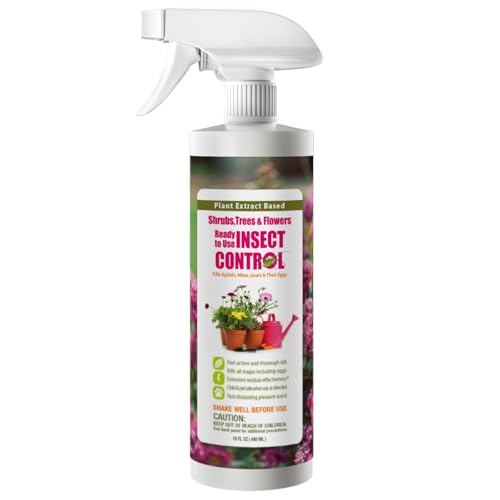
Best for mixed pest pressure across outdoor and indoor plants. EcoVenger targets aphids, armyworms, mealybugs, spider mites, Gnats, and eggs with a plant-based formula that is child and pet safe. It provides ready-to-use coverage and can be diluted for delicate plants. Use as part of a broader Integrated Pest Management plan to reduce spider mite populations alongside beneficial predatory mites.
Who it’s best for: gardeners seeking a plant-based, broad-spectrum option. Why chosen: versatility for multiple pests and environments. Limitation: not exclusive to mites; may require combination with predator releases for mite-specific control.
Buying Guide: Key Factors To Consider When Choosing Predatory Mites And Mite Controls
- Infestation stage and extent: For early-stage spider mite trouble, smaller, mixed predator blends may suffice. For established infestations, larger bottle sizes and multiple releases are often needed.
- Space and application area: Indoor rooms, greenhouses, and patios require different product quantities. Larger spaces benefit from higher predator counts or blend bottles.
- Predator diversity: Blends with multiple species cover a broader range of mite types and life stages. Choose mixes that list species like N. californicus, A. swirskii, P. persimilis, and A. cucumeris where possible.
- Safety and compatibility: Botanical or plant-extract sprays can be used alongside predatory mites, but always follow label directions. OMRI-listed and FIFRA-exempt products suit organic setups.
- Release cadence: Some products specify weekly or biweekly releases. Plan releases to maintain pressure on colonies and prevent rebound.
- Storage and handling: Mite products should be stored per label instructions to preserve viability. Overnight or next-business-day shipping helps ensure freshness for immediate needs.
- Environmental conditions: Temperature and humidity influence mite activity. Ensure release areas have appropriate conditions to maximize predation efficiency.
Frequently Asked Questions
- What are predatory mites best against spider mites?
Predatory mites such as Neoseiulus californicus (N. californicus), Phytoseiulus persimilis (P. persimilis), Amblyseius swirskii (A. swirskii), and Amblyseius cucumeris (A. cucumeris) are commonly used for spider mite suppression and related mite species.
- How often should I release predatory mites?
Release frequency depends on infestation size and product instructions. Common schedules include every other week or per bottle guidelines until mites subside.
- Can I use a spray with predatory mites?
Yes, but apply sprays carefully. Use plant-safe, non-toxic options around release areas and avoid harsh chemicals that could harm predators. Follow label directions for compatibility.
- Are predatory mites effective indoors?
Yes, many blends are designed for indoor gardens, terrariums, and greenhouses. They perform well when environmental conditions—temperature, humidity, and airflow—are managed to support mite activity.
- Do predatory mites require sunlight or specific plants?
They function across various indoor plant types. However, avoid exposing them to extreme heat or direct sunlight that could reduce their effectiveness before establishment.
- What should I do if the infestation returns after a few weeks?
Reassess environmental conditions, reintroduce predators as needed, and consider integrating a plant-safe spray for rapid suppression while predators reestablish control.